Flux Training Tips और Tricks - संपूर्ण गाइड (2025)
Flux models को effectively train करने के लिए SD/SDXL से different strategies की आवश्यकता है। Costly trial और error experimentation से वास्तव में क्या काम करता है सीखें।
मैंने यह figure करने से पहले कि वास्तव में क्या काम करता है Flux training ने cloud GPU time में $300 खा लिए। Established SD/SDXL training wisdom cleanly transfer नहीं होती। Flux की architecture different approaches demand करती है, और sparse documentation आपको parameters के बारे में guessing छोड़ देता है।
Systematic experimentation tracking के साथ 20+ Flux LoRAs train करने के बाद कि क्या worked और क्या failed, patterns emerged। कुछ advice floating around actively wrong है, कुछ earlier Flux versions से outdated है। यहाँ बताया गया है कि 2025 में वास्तव में good Flux LoRAs क्या produce करता है।
त्वरित उत्तर: Effective Flux training को powerful GPUs (RunPod पर recommended 4x A100 या H100 setup), SDXL से 5-10x higher learning rates (0.001-0.004), significantly fewer training steps (3000-5000 के बजाय 500-1500), larger batch sizes (minimum 4-8), और high-quality diverse training data (20-40 images) की आवश्यकता है। High hardware requirements और shorter training cycles का मतलब है cost-effective Flux training continuous local setups के बजाय training bursts के दौरान strategic cloud GPU rental के माध्यम से होता है। Condensed training periods के लिए powerful rented GPUs में investment modest hardware पर Flux training attempt करने से beats करता है।
- Flux training को enterprise-class GPUs चाहिए - single consumer GPU insufficient
- SDXL training से 5-10x higher learning rates
- Training right होने पर SDXL steps के fraction में complete होता है
- Stable Flux training के लिए minimum batch size of 4-8
- RunPod multi-GPU instances Flux training के लिए सबसे cost-effective
Flux Training SD/SDXL से क्यों differs करता है
Architectural differences को समझना explain करता है कि familiar training approaches Flux के साथ क्यों fail होते हैं।
Model architecture fundamentally different है। Flux SD/SDXL की U-Net architecture बनाम transformer-based design use करता है। Attention mechanisms, layer structures, और information flow computational level पर differently work करते हैं।
मुफ़्त ComfyUI वर्कफ़्लो
इस लेख में तकनीकों के लिए मुफ़्त ओपन-सोर्स ComfyUI वर्कफ़्लो खोजें। ओपन सोर्स शक्तिशाली है।
Parameter scale of Flux SDXL को dwarfs करता है। Model larger, more complex है, और more learnable parameters हैं। यह scale मतलब है training को more computational resources की आवश्यकता है और same hyperparameters के साथ differently behaves करता है।
Convergence characteristics Flux को SD models से faster और more dramatically सीखते दिखाते हैं। Correct learning rate के साथ कुछ hundred steps usable LoRA produce करते हैं जहाँ SD को thousands की आवश्यकता हो सकती है। Aggressive learning precise parameter control demand करता है।
Differences degree नहीं बल्कि kind हैं। Flux "SDXL but bigger" नहीं है - यह different training challenge है जो different thinking require करता है।
जटिलता को छोड़ना चाहते हैं? Apatero बिना किसी तकनीकी सेटअप के तुरंत पेशेवर AI परिणाम देता है।
Optimal Training Parameters for Flux
Extensive testing के आधार पर concrete parameter recommendations।
Learning rate Flux LoRA training के लिए typically 0.001 से 0.004 पर sits करता है। यह SDXL की 0.0001-0.0003 range से dramatically higher है। General subjects के लिए 0.002 पर start करें, results के आधार पर adjust करें। Concept complexity और dataset quality optimal learning rate को affect करती हैं।
कंटेंट बनाकर $1,250+/महीना कमाएं
हमारे विशेष क्रिएटर एफिलिएट प्रोग्राम में शामिल हों। वायरल वीडियो प्रदर्शन के आधार पर भुगतान पाएं। पूर्ण रचनात्मक स्वतंत्रता के साथ अपनी शैली में कंटेंट बनाएं।
Training steps अधिकांश Flux LoRAs के लिए 500-1500 range करते हैं। SDXL के 2000-5000+ steps से compare करें। Flux aggressively और fast सीखता है। Overtraining easily होता है। Preview images को closely monitor करें और quality peaks होने पर early stop करें।
Batch size stable Flux training के लिए minimum of 4, ideally 6-8। Lower batch sizes unstable training erratic losses के साथ produce करते हैं। Model को stable gradient updates के लिए reasonable batch statistics चाहिए।
Network rank (dimension) of 16-32 Flux LoRAs के लिए well काम करता है। Higher ranks (64+) possible हैं लेकिन अक्सर unnecessary हैं और training cost increase करते हैं। Flux की high capacity का मतलब है lower rank LoRAs का अभी भी strong influence है।
ये parameters specific training tasks के लिए iteration requiring starting points हैं। Ranges SD से narrower हैं - Flux parameter mistakes के लिए less forgiving है।
निष्कर्ष
Flux training demanding है लेकिन accessible है। Right hardware (rented), right parameters (aggressive learning), right data (quality over quantity), right monitoring (stop early) LoRAs produce करते हैं जो Flux की remarkable capabilities leverage करते हैं। Flux training सीखने में investment generation quality improvements में pay off करता है।
अपना AI इन्फ्लुएंसर बनाने के लिए तैयार हैं?
115 छात्रों के साथ शामिल हों जो हमारे पूर्ण 51-पाठ पाठ्यक्रम में ComfyUI और AI इन्फ्लुएंसर मार्केटिंग में महारत हासिल कर रहे हैं।
संबंधित लेख
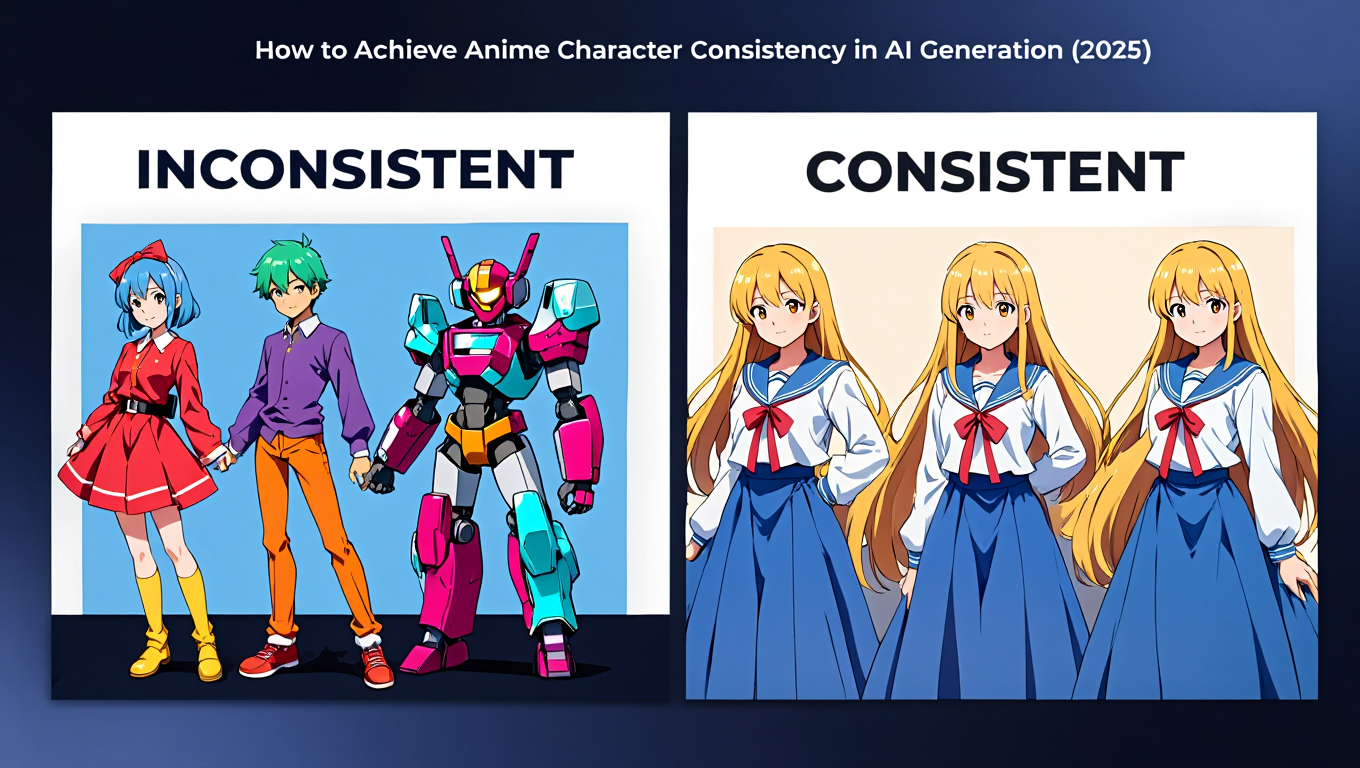
AI जनरेशन में एनीमे कैरेक्टर कंसिस्टेंसी कैसे प्राप्त करें (2025)
हर जनरेशन में अलग-अलग कैरेक्टर आने से रोकें। कंसिस्टेंट एनीमे कैरेक्टर्स के लिए LoRA ट्रेनिंग, रेफरेंस तकनीकें और वर्कफ्लो रणनीतियां मास्टर करें।
सर्वश्रेष्ठ ओपन सोर्स वीडियो मॉडल 2025: Kandinsky 5.0 vs HunyuanVideo 1.5 vs LTX 2 vs WAN 2.2
2025 के सर्वश्रेष्ठ ओपन सोर्स वीडियो जनरेशन मॉडल की तुलना करें। विस्तृत बेंचमार्क, VRAM आवश्यकताएं, स्पीड टेस्ट और लाइसेंसिंग विश्लेषण आपको सही मॉडल चुनने में मदद करने के लिए।

बच्चों की पुस्तक चित्रण के लिए सर्वश्रेष्ठ प्रॉम्प्ट - लेखकों के लिए 50+ मनमोहक उदाहरण 2025
चित्र पुस्तकों, कहानी के पात्रों और शैक्षिक सामग्री के लिए 50+ परीक्षित प्रॉम्प्ट के साथ बच्चों की पुस्तक चित्रण निर्माण में महारत हासिल करें। लेखकों और चित्रकारों के लिए संपूर्ण मार्गदर्शिका।