Ultimate Guide to AI Video Generation for Beginners 2025
Complete beginner's guide to AI video generation. Everything you need to know about LTX-2, Wan, Kling, and creating your first AI videos.
AI video generation went from impossible to accessible in just two years. What once required movie studio budgets now runs on consumer hardware. This guide takes you from complete beginner to generating impressive AI videos.
Quick Answer: Start with cloud-based tools like Pika or Runway to learn prompting without technical setup. Once comfortable, try local models like LTX-2 for more control and unlimited generation. Focus on image-to-video first (more predictable results), then progress to text-to-video. Quality comes from good prompts, appropriate model choice, and understanding each tool's strengths.
- How AI video generation works
- Which tools to start with
- Text-to-video vs image-to-video
- Essential settings and parameters
- Common mistakes to avoid
- Your path to advanced techniques
How AI Video Generation Works
The Basic Concept
AI video generators extend image generation into the time dimension. Instead of creating a single frame, they create sequences of frames that flow together as video.
Two main approaches:
Text-to-Video (T2V):
- Describe what you want in text
- AI generates video from scratch
- More creative freedom
- Less predictable results
Image-to-Video (I2V):
- Provide a starting image
- AI animates it
- More predictable results
- Better consistency
Key Differences from Image Generation
Video generation adds complexity:
- Temporal consistency: Each frame must connect smoothly
- Motion coherence: Movement must look natural
- Longer generation: More compute-intensive
- Quality trade-offs: Can't achieve image-gen quality yet
The Technology Stack
Models: LTX-2, Wan 2.2, Kling, Runway Gen-3 Interfaces: ComfyUI, Gradio apps, web platforms Hardware: GPU with 12GB+ VRAM (local) or cloud access
Choosing Your First Tool
Cloud Options (Easiest Start)
Pika
- Free tier available
- Simple interface
- Good for learning
- Best for: Complete beginners
Runway Gen-3
- Professional quality
- $12+/month
- Polished experience
- Best for: Those willing to pay for quality
Kling
- Excellent motion
- Credit-based
- Good free tier
- Best for: Dynamic content
Local Options (More Control)
LTX-2 with Gradio
- Free (hardware only)
- Fast generation
- 4K upscaling
- Best for: Technical users
ComfyUI with LTX-2 or Wan
- Maximum control
- Steep learning curve
- Most flexible
- Best for: Advanced users
My Recommendation
Start with: Pika free tier (zero commitment, learn basics)
Graduate to: Runway or Kling (better quality, still cloud)
Eventually try: LTX-2 locally (unlimited generation)
Your First Week: Day-by-Day Guide
Day 1: Image-to-Video Basics
Goal: Understand how I2V works
- Find/create a simple image (portrait, landscape)
- Open Pika or similar tool
- Upload image, add motion prompt
- Generate 3-second video
- Notice what moved, what didn't
- Try different motion descriptions
Day 2: Motion Prompting
Goal: Learn how motion descriptions work
- Use same image from Day 1
- Try different motion prompts:
- "subtle head movement"
- "wind blowing hair"
- "slow zoom out"
- "pan left to right"
- Compare results
- Note which prompts work better
Day 3: Text-to-Video Introduction
Goal: Understand T2V differences
- Write simple video prompts:
- "A cat walking across a room"
- "Waves crashing on beach"
- "Person walking through forest"
- Generate each
- Notice consistency challenges
- Compare to I2V results
Day 4: Quality Settings
Goal: Understand settings' effects
- Generate same prompt at different qualities
- Try different lengths (3s, 5s, 8s)
- Experiment with resolution options
- Note quality vs. time trade-offs
Day 5: Combining Techniques
Goal: Create intentional content
- Generate image with AI image tool
- Use that image for I2V
- Prompt for specific motion
- Iterate on results
Days 6-7: Project Work
Goal: Apply everything learned
- Choose creative project
- Plan shots needed
- Generate each shot
- Review and iterate
- Celebrate progress!
Essential Settings Explained
Video Length
Most generators offer 3-10 second clips.
Short (3-5 seconds):
- Faster generation
- More consistent quality
- Good for loops
- Social media optimal
Long (8-10+ seconds):
- More complex narratives
- Higher coherence challenges
- Impressive when successful
- Requires better prompting
Resolution
Standard Definition:
- Faster generation
- Good for testing
- Upscale later if needed
HD/Full HD:
- Better quality
- Slower generation
- Higher resource needs
4K (with upscaling):
- Post-generation enhancement
- LTX-2 has built-in upscaler
- Significant quality boost
Motion Amount
Control how much things move:
Low motion:
- Subtle breathing, blinking
- Safer, more consistent
- Good for portraits
Medium motion:
- Walking, gestures
- Balanced approach
- Most use cases
High motion:
- Running, action scenes
- Higher failure rate
- More dramatic when successful
Camera Movement
Many tools offer camera controls:
Static: Camera doesn't move Pan: Horizontal movement Tilt: Vertical movement Zoom: In or out movement Orbit: Circle around subject
Prompting for Video
Prompt Structure for Video
T2V prompt example: "A woman walking through a forest at sunset, golden light filtering through trees, medium shot, slow motion, cinematic"
Components:
- Subject and action
- Setting and lighting
- Camera framing
- Motion speed
- Style
I2V prompt example:**
"Gentle hair movement in wind, subtle smile, slow zoom in, warm lighting"
Components:
- Motion description
- Expression changes
- Camera movement
- Atmosphere
Motion Keywords That Work
Speed:
- "slow motion"
- "time lapse"
- "real-time"
- "fast motion"
Camera:
- "static shot"
- "tracking shot"
- "handheld feel"
- "steady cam"
Movement:
- "subtle movement"
- "dramatic motion"
- "fluid animation"
- "dynamic action"
Common Beginner Mistakes
1. Starting with Text-to-Video
Problem: T2V is harder to control
Solution: Master I2V first, then progress to T2V
2. Expecting Image Quality
Problem: Video quality is lower than images
Solution: Accept current limitations, focus on motion quality
3. Over-Prompting Motion
Problem: Too much requested motion causes artifacts
Solution: Start subtle, increase gradually
4. Ignoring Source Image Quality
Problem: Low-quality input = low-quality output
Solution: Use high-quality, well-composed source images
5. Wrong Tool for Task
Problem: Using cinematic tool for anime, etc.
Solution: Match tool to desired output style
From Cloud to Local
When to Go Local
Consider local generation when:
- You generate frequently
- Cloud costs become significant
- You need more control
- You want unlimited generation
- Privacy matters
Hardware Requirements
Minimum:
- RTX 3060 12GB
- 32GB RAM
- SSD storage
Recommended:
- RTX 4070/4080 16GB
- 64GB RAM
- NVMe storage
Optimal:
- RTX 4090 24GB
- 64GB+ RAM
- Fast storage
Setting Up LTX-2
- Install ComfyUI or Gradio interface
- Download LTX-2 model
- Configure settings
- Generate first video
- Learn workflow nodes
For detailed setup, see our LTX-2 installation guide.
Next Steps After Basics
Intermediate Techniques
Multi-shot editing:
- Generate multiple clips
- Edit together
- Create narratives
Audio integration:
- Add music/sound effects
- Some tools generate audio
- Sync timing carefully
Looping videos:
- Special prompts for loops
- Useful for backgrounds
- Social media friendly
Advanced Techniques
ControlNet for video:
- Guide motion with poses
- Maintain consistency
- Complex choreography
Video-to-video:
- Transform existing videos
- Style transfer
- Enhancement
Custom training:
- Train on specific characters
- Specialized styles
- Advanced workflows
Tool Comparison for Beginners
| Tool | Best For | Difficulty | Cost |
|---|---|---|---|
| Pika | First steps | Easy | Free tier |
| Runway | Quality | Easy | $12+/mo |
| Kling | Motion | Easy | Credits |
| LTX-2 | Local | Medium | Hardware |
| ComfyUI | Control | Hard | Free |
For detailed comparison, see our AI video generator comparison.
Frequently Asked Questions
How long does AI video take to generate?
Cloud: 1-5 minutes per clip Local: 15 seconds - 5 minutes depending on hardware
Can I make long videos with AI?
Not directly. Generate short clips and edit together.
Is AI video good enough for commercial use?
Improving rapidly. Already usable for social media, some commercial applications.
Do I need expensive hardware?
For local: 12GB+ GPU recommended For cloud: Any device works
Which tool produces the best quality?
Wan 2.2 for raw quality, Runway for polish, LTX-2 for local.
Can AI generate any video I describe?
Not yet. Current models have limitations. Start simple, understand what works.
How do I make AI videos look less "AI"?
Better prompting, post-processing, careful editing, choosing right tool.
Will AI video replace traditional video production?
Complement, not replace. Different use cases emerging.
Wrapping Up
AI video generation rewards patience and practice. Start simple, understand fundamentals, then progress to complexity.
Key takeaways:
- Start with I2V (more predictable)
- Use cloud tools initially
- Focus on motion prompting
- Accept current limitations
- Graduate to local for unlimited generation
Your first videos won't be perfect. That's expected. The technology improves monthly, and so will your skills.
For hands-on practice, Apatero.com provides AI video generation tools. For local setup, see our LTX-2 guides.
Quick Reference: Beginner Checklist
- Generate first I2V clip
- Experiment with motion prompts
- Try T2V generation
- Compare different tools
- Understand quality settings
- Create first intentional project
- Learn one advanced technique
- Consider local setup
- Join AI video community
- Generate 50+ videos for practice
Welcome to AI video generation. The future of video is here.
Understanding Current Limitations
Being realistic about what AI video can and cannot do helps you set appropriate expectations and choose the right tool for your project.
What AI Video Does Well
Single subjects with simple motion:
- Portraits with subtle movement
- Product showcases with rotation
- Landscapes with natural elements
Consistent style and lighting:
- Maintaining aesthetic across frames
- Cinematic color grading
- Atmospheric effects
Short-form content:
- Social media clips
- Loops and backgrounds
- B-roll footage
What AI Video Struggles With
Complex multi-person interactions:
- People shaking hands or hugging
- Group conversations
- Sports with multiple players
Fine motor control:
- Hand movements and gestures
- Detailed facial expressions over time
- Playing instruments
Text and precise elements:
- Readable text in video
- Accurate logos or brands
- Mathematical or technical diagrams
Physics-accurate motion:
- Water splashing realistically
- Cloth movement under complex conditions
- Fire and smoke behavior
The Trajectory
These limitations are improving rapidly. What was impossible six months ago is now achievable. Expect continued progress, but plan projects around current capabilities rather than promised futures.
Creative Applications
Social Media Content
Optimal formats:
- TikTok/Reels: 9:16 vertical, 5-15 seconds
- YouTube Shorts: 9:16 vertical, under 60 seconds
- Instagram Posts: 1:1 square, 3-10 seconds
- Twitter/X: 16:9 horizontal, under 30 seconds
Content ideas:
- Animated quotes and text
- Product showcases
- Atmospheric backgrounds
- Character animations
Marketing and Business
Use cases:
- Product visualization
- Concept demonstrations
- Social advertising
- Brand storytelling
Tips for commercial use:
- Higher quality settings
- Multiple variations for A/B testing
- Clear brand guidelines
- Legal review for compliance
Artistic Expression
Creative directions:
- Music video visuals
- Experimental art
- Dream sequences
- Abstract motion
The creative possibilities expand as you understand the tools better. Don't limit yourself to conventional video formats when AI opens new aesthetic possibilities.
Building Your Skills Over Time
Month 1: Foundation
Focus on:
- Understanding I2V vs T2V
- Basic prompting skills
- Tool familiarization
- Quality settings
Goal: Generate 50+ videos across different styles
Month 2: Refinement
Focus on:
- Prompt optimization
- Specific aesthetic development
- Longer form generation
- Consistency techniques
Goal: Create a complete short project (30+ seconds assembled)
Month 3: Advanced Exploration
Focus on:
- Local generation (if applicable)
- Multiple tool comparison
- Post-production integration
- Community engagement
Goal: Develop personal style and workflow
Ongoing Development
The AI video field evolves monthly. Stay current by:
- Following model releases
- Joining Discord communities
- Watching tutorial creators
- Experimenting with new tools
Your skills compound over time. What seems complex today becomes intuitive with practice.
Resources for Continued Learning
Communities
- Reddit: r/aivideo, r/StableDiffusion
- Discord: Model-specific servers
- YouTube: Tutorial channels
Documentation
- Official model documentation
- GitHub repositories
- Community wikis
Practice Projects
Start with these to build skills:
- Portrait animation: Single face, subtle motion
- Landscape loop: Nature scene that loops smoothly
- Product showcase: Object rotation or reveal
- Character action: Simple movement like walking
- Scene transition: Two related scenes combined
Each project teaches different aspects of AI video generation and builds toward more complex work.
For specific model tutorials, explore our LTX-2 tips and tricks and Wan 2.2 guide.
Render the video you just read about
Kling, Veo, Seedance and more, in your browser, no queue to build. Check your welcome allowance and the displayed cost before generating.
Related Articles
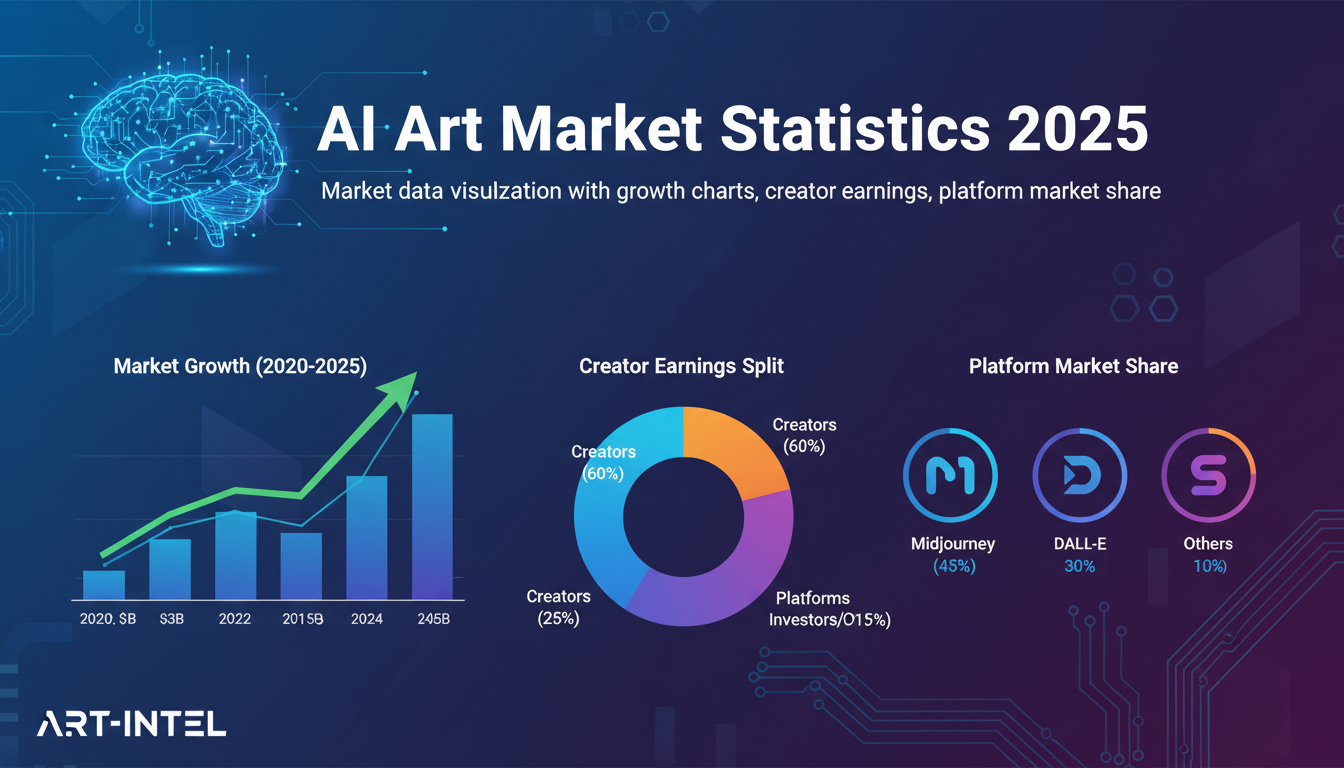
AI Art Market Statistics 2025: Industry Size, Trends, and Growth Projections
Comprehensive AI art market statistics including market size, creator earnings, platform data, and growth projections with 75+ data points.

AI Automation Tools: Transform Your Business Workflows in 2025
Discover the best AI automation tools to transform your business workflows. Learn how to automate repetitive tasks, improve efficiency, and scale operations with AI.
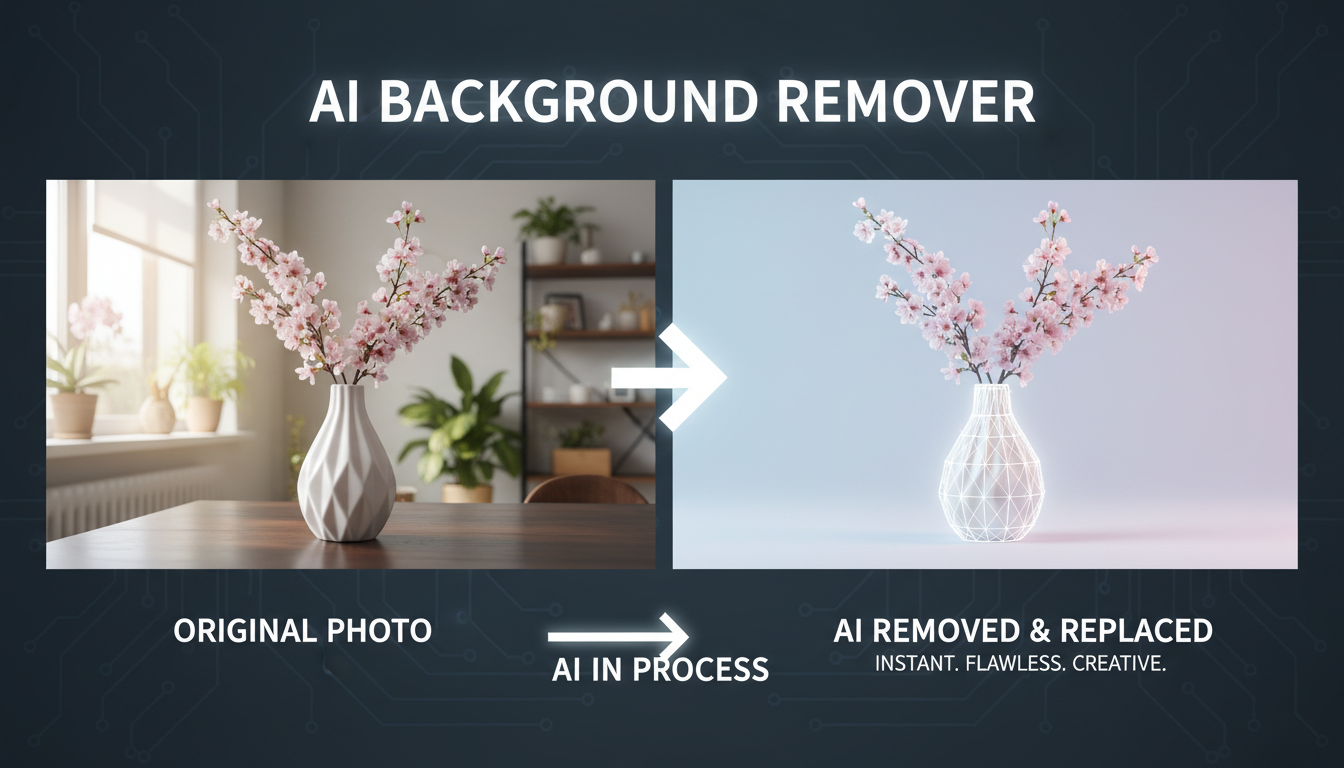
AI Background Remover and Generator: The Complete Guide to Replacing, Creating, and Perfecting Image Backgrounds
Master AI background removal, replacement, and generation. Compare the best tools, learn proven techniques, and transform your product photos and portraits.