AI Deepfakes: Ethics, Legal Risks, and Responsible Use in 2025
The complete guide to deepfake ethics and legality. What's allowed, what's not, and how to create AI content responsibly without legal risk.
AI deepfake technology is powerful—and legally complex. The same tools that enable creative expression can cause serious harm when misused. Understanding the ethical and legal landscape is essential for anyone working with AI-generated content.
Quick Answer: Creating AI content of yourself or fictional characters is generally legal. Creating non-consensual intimate images of real people is illegal in most jurisdictions. Using real people's likenesses without consent creates legal liability. The safest approach: create original characters, get explicit consent for any real person depiction, and never create content involving minors.
- Non-consensual intimate imagery (NCII) is illegal in most places
- Using someone's likeness without consent can be civil liability
- Original AI characters are generally safe legally
- Minors in any sexual context is absolutely prohibited
- Platform terms add restrictions beyond law
- Disclosure may be required for certain AI content
The Legal Landscape
AI-generated content exists in a rapidly evolving legal environment.
What's Generally Illegal
Non-Consensual Intimate Imagery (NCII):
Creating sexual or intimate images of real people without their consent is illegal in:
- Most US states (specific NCII laws)
- UK (specific legislation)
- EU member states
- Australia
- Canada
- Many other jurisdictions
Penalties include:
- Criminal charges
- Civil lawsuits
- Significant fines
- Prison time in serious cases
Doesn't matter if:
- Image never shared publicly
- "It's obviously fake"
- You didn't intend harm
- Person is a public figure
The creation itself can be illegal, not just distribution.
Content Depicting Minors:
ANY sexual content involving minors is:
- Universally illegal
- Subject to severe criminal penalties
- Aggressively prosecuted
- Zero tolerance across all platforms
This includes:
- AI-generated images
- Fictional characters depicted as minors
- "Aged-up" versions of minor characters
- Ambiguous ages in sexual contexts
There is no exception. Ever.
Fraud and Impersonation:
Using deepfakes to:
- Impersonate someone for financial gain
- Create false statements attributed to real people
- Deceive in commercial contexts
- Manipulate elections or political speech
These carry specific criminal and civil penalties.
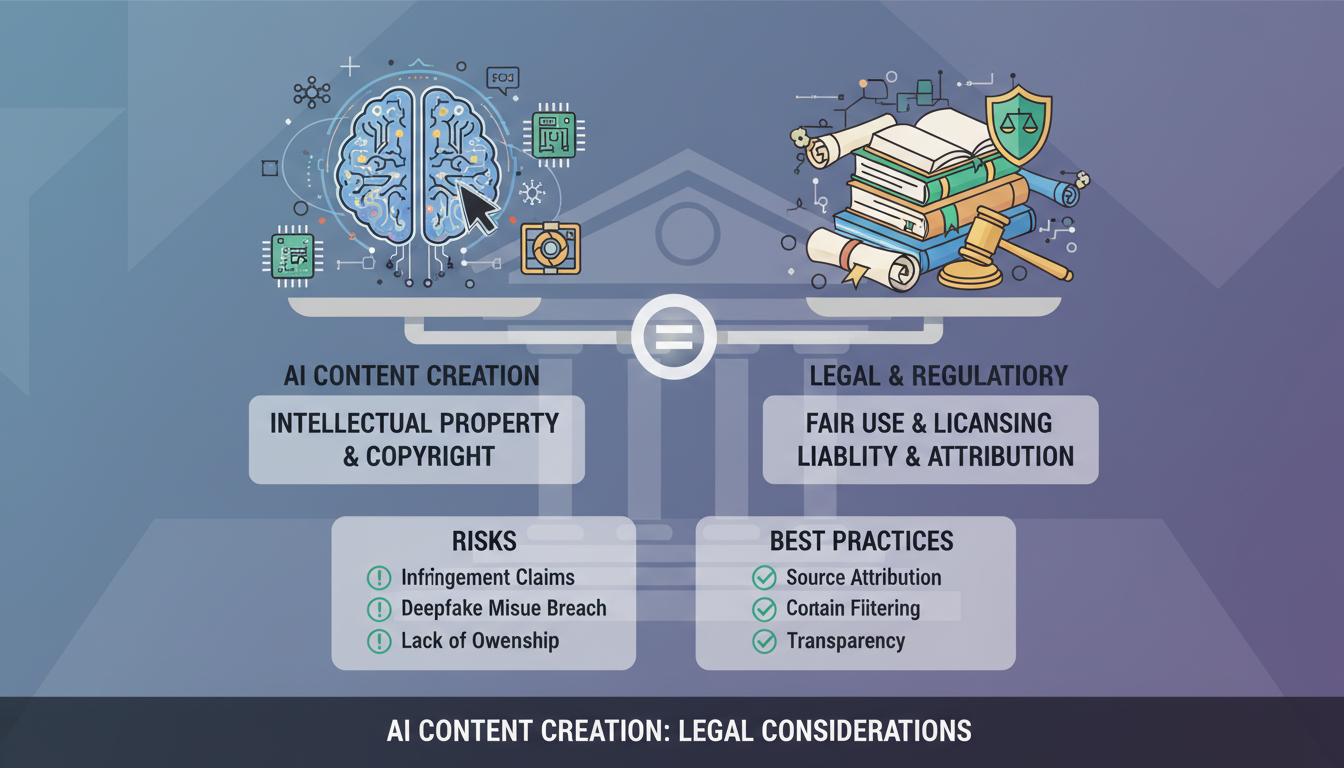 Understanding the legal boundaries is essential
What's Legal (Generally)
Original Characters:
Creating entirely fictional characters is legal:
- No real person likeness used
- Original design and appearance
- No impersonation intent
- Clear fictional context
This is the safest approach for adult content creation.
Self-Representation:
Creating AI content of yourself:
- You have rights to your own likeness
- Commercial use of self-likeness is your right
- Can create any legal content featuring yourself
Consented Use:
Using someone's likeness WITH explicit consent:
- Written consent recommended
- Clear scope of permitted use
- Commercial terms if applicable
- Revocable in most jurisdictions
Parody and Commentary:
Some jurisdictions protect:
- Clear parody (not deceiving)
- Political commentary
- Artistic expression
- Educational use
But these defenses are jurisdiction-specific and case-dependent. Not reliable protection.
Gray Areas
Celebrity Likenesses:
- Right of publicity varies by jurisdiction
- Some commercial uses may be actionable
- Satire/parody may be protected
- Case-by-case determination
Historical Figures:
- Generally more permissible
- Still subject to some restrictions
- Descendant rights in some places
- Context matters
Fan Content:
Free ComfyUI Workflows
Find free, open-source ComfyUI workflows for techniques in this article. Open source is strong.
- Copyright issues with characters
- Not typically criminal
- Platform terms may prohibit
- Rights holders can take action
Ethical Considerations
Beyond legality, ethics matter.
The Consent Principle
Core principle: People have the right to control their likeness.
Even if technically legal:
- Creating content of someone who wouldn't want it is harmful
- Distributing such content amplifies harm
- "They'll never know" doesn't make it ethical
- Power dynamics matter
Harm Considerations
Potential harms from deepfakes:
- Reputation damage
- Emotional distress
- Relationship harm
- Employment consequences
- Harassment enabling
- Normalization of violations
Consider: Would this content harm the depicted person if discovered?
The "Golden Rule"
Would you want this done to you? To your family members?
If the answer is no, don't do it to others.
Creating vs. Consuming
Creating non-consensual content:
- Active choice to violate consent
- Direct responsibility
- Highest ethical concern
Consuming non-consensual content:
- Creates demand for harmful content
- Enables continued creation
- Also ethically problematic
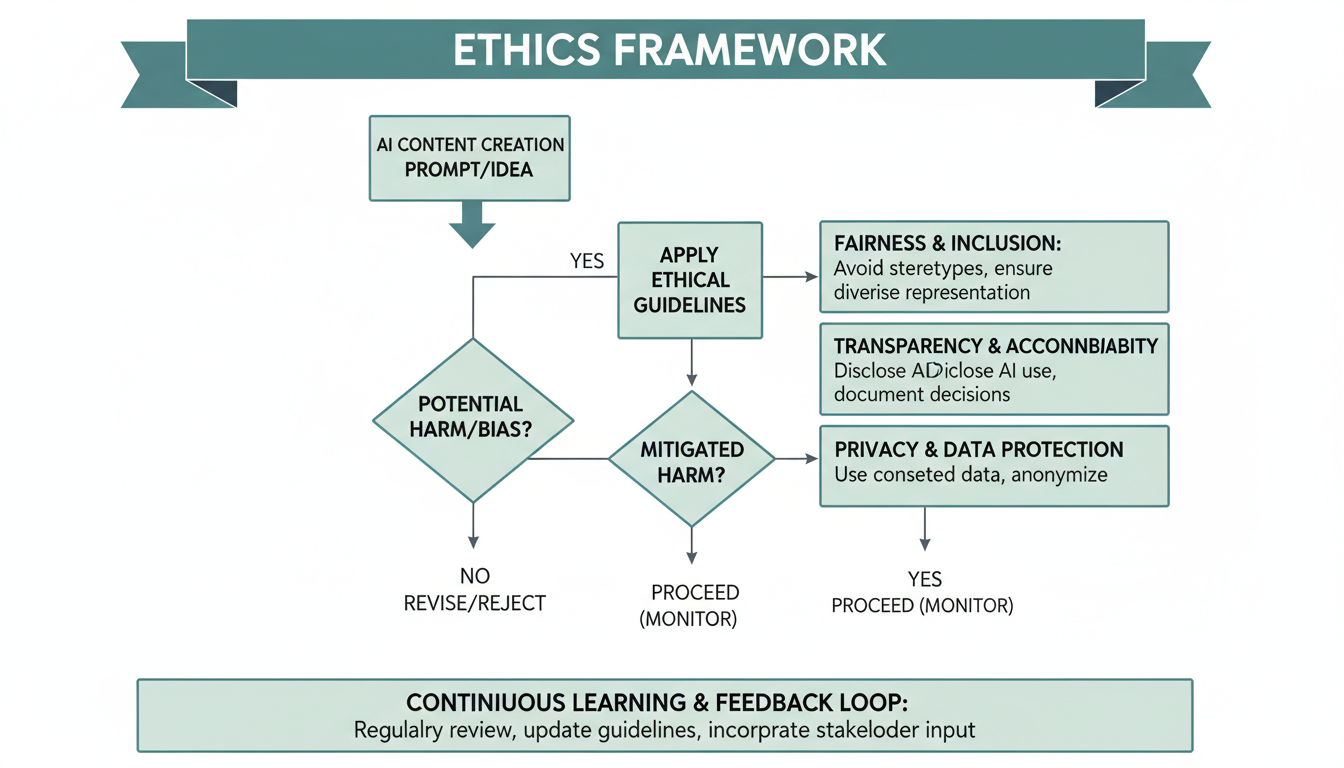 Ethical content creation protects everyone
Safe Practices
How to create AI content responsibly:
Original Characters Only
The safest approach for adult content:
Do:
Want to skip the complexity? Apatero gives you professional AI results instantly with no technical setup required.
- Design unique characters
- Create consistent personas
- Build fictional backstories
- Use platforms supporting this (like Apatero)
Don't:
- Base on real people
- Use celebrity likenesses
- Reference real individuals
- Import real faces
Clear Age Representation
For any adult content:
Do:
- Clearly adult character design
- Adult settings and contexts
- Mature character descriptions
- Age-appropriate prompts
Don't:
- Ambiguous age representation
- "Youthful" descriptions in adult contexts
- School settings with adult content
- Any minor-adjacent content
Documentation
If using any real likenesses:
Maintain:
- Written consent
- Clear scope agreement
- Date and signature
- Revocation procedures
- Commercial terms if applicable
Platform Compliance
Beyond law, platforms have rules:
- Read terms of service
- Follow content policies
- Understand what's prohibited
- Accept that rules may be stricter than law
Specific Scenarios
Scenario: Creating AI Influencer Content
Legal approach:
- Design original character
- No real person likeness
- Clear fictional identity
- Monetize your own creation
Ethical approach:
- Don't deceive about AI nature
- Disclose when required
- Don't claim real experiences
- Honest representation
Scenario: Fan Content/Fanfiction
Legal considerations:
- Copyright on characters
- Right of publicity for actors
- Platform terms
- Rights holder response
Safer approach:
- Clearly labeled as fan content
- Non-commercial
- Original character designs
- Respect takedown requests
Scenario: Using Reference Images
Legal approach:
- Use for style reference only
- Don't reproduce likeness
- Create original output
- No identifiable features
Not legal:
Earn Up To $1,250+/Month Creating Content
Join our exclusive creator affiliate program. Get paid per viral video based on performance. Create content in your style with full creative freedom.
- Face swap onto real person
- Creating likeness without consent
- Impersonation intent
Scenario: Commercial Use
Safe commercial use:
- Original characters only
- Your own likeness
- Licensed likenesses with contract
- Clear ownership/rights
Risky commercial use:
- Celebrity likenesses
- "Lookalike" characters
- Unauthorized use of any likeness
 Following safe practices protects your business
Platform Responsibilities
Platforms play a role too:
What Good Platforms Do
- Prohibit non-consensual content
- Age verification systems
- Content moderation
- Clear terms of service
- Cooperation with law enforcement
User Responsibilities
Regardless of platform:
- You're responsible for your creations
- Platform terms don't override law
- Anonymity isn't protection
- Digital trails exist
Future Legal Trends
The law is evolving:
Expected Changes
More NCII legislation:
- More jurisdictions adding laws
- Stricter penalties
- AI-specific provisions
- Platform liability
Disclosure requirements:
- Mandatory AI labeling
- Synthetic content identification
- Transparency requirements
- Penalty for undisclosed AI
Right of Publicity expansion:
- More protection for likeness
- Digital likeness rights
- Posthumous rights
- Voice and likeness together
Prepare Now
Best practices for future-proofing:
- Original characters from the start
- Documentation habits
- Consent procedures
- Platform compliance
- Regular legal updates
Industry Standards
Emerging best practices:
For Creators
- Original characters for commercial content
- Consent documentation for real people
- No minors in any adult context
- Platform term compliance
- Disclosure when required
For Platforms
- Clear content policies
- Effective moderation
- User verification
- Takedown procedures
- Law enforcement cooperation
For Consumers
- Don't support non-consensual content
- Report violations
- Verify consent/origins
- Support ethical creators
- Understand impact
Frequently Asked Questions
Is creating AI deepfakes illegal?
Not inherently. Creating original AI content is legal. Creating non-consensual intimate imagery of real people is illegal in most places.
Can I use celebrity likenesses?
Risky. Right of publicity laws vary, and commercial use especially creates liability. Safer to avoid.
What about parody?
Parody may be protected in some cases, but it's jurisdiction-dependent and case-specific. Not reliable protection.
Do I need to disclose AI content?
Increasingly yes. Some platforms require it. Some jurisdictions are adding requirements. Good practice regardless.
What if I use AI to create myself?
Generally legal for your own likeness. Be aware of platform terms that may still apply.
Can someone sue me for AI content?
Yes. Civil liability exists for right of publicity, defamation, intentional infliction of emotional distress, and other claims.
What about international law?
You can be subject to laws where the subject or victim is located, not just where you are. Consider all applicable jurisdictions.
Are there criminal penalties?
Yes. NCII laws, impersonation/fraud, and content involving minors all carry criminal penalties.
The Right Approach
For sustainable, legal, ethical AI content creation:
Create Original Characters
- Design unique personas
- Build consistent identities
- Develop fictional backgrounds
- Monetize your creations
Tools like Apatero make this easy with character consistency features.
Get Real Consent
If using real people:
- Written, explicit consent
- Clear scope definition
- Commercial terms if applicable
- Revocation rights respected
Never Cross Lines
Absolute prohibitions:
- No non-consensual intimate content
- No minors in any sexual context
- No fraud or harmful impersonation
- No content designed to harm
Stay Informed
- Follow legal developments
- Update practices as needed
- Consult legal advice for commercial use
- Prioritize ethics beyond compliance
Final Thoughts
AI content creation is powerful and legitimate. The technology itself is neutral—how you use it determines the ethics and legality.
The path forward is clear:
- Original characters: Safe, legal, ethical
- Consented use: Legal with proper documentation
- Non-consensual use: Illegal, harmful, wrong
The creative potential of AI is enormous. Use it to build something new, not to violate others' rights.
The AI influencer economy, the adult content creation space, the artistic possibilities—all are available through ethical means. No need to cross lines that harm others and create legal risk for yourself.
Create original. Create responsibly. Create successfully.
Related guides: AI Influencer Money-Making Guide, AI OnlyFans Content Creation, Character Consistency Guide
Ready to Create Your AI Influencer?
Join 115 students mastering ComfyUI and AI influencer marketing in our complete 51-lesson course.
Related Articles
AI Art Market Statistics 2025: Industry Size, Trends, and Growth Projections
Comprehensive AI art market statistics including market size, creator earnings, platform data, and growth projections with 75+ data points.

AI Automation Tools: Transform Your Business Workflows in 2025
Discover the best AI automation tools to transform your business workflows. Learn how to automate repetitive tasks, improve efficiency, and scale operations with AI.
AI Avatar Generator: I Tested 15 Tools for Profile Pictures, Gaming, and Social Media in 2026
Comprehensive review of the best AI avatar generators in 2026. I tested 15 tools for profile pictures, 3D avatars, cartoon styles, gaming characters, and professional use cases.