AI Automation Tools: Transform Your Business Workflows in 2025
Discover the best AI automation tools to transform your business workflows. Learn how to automate repetitive tasks, improve efficiency, and scale operations with AI.
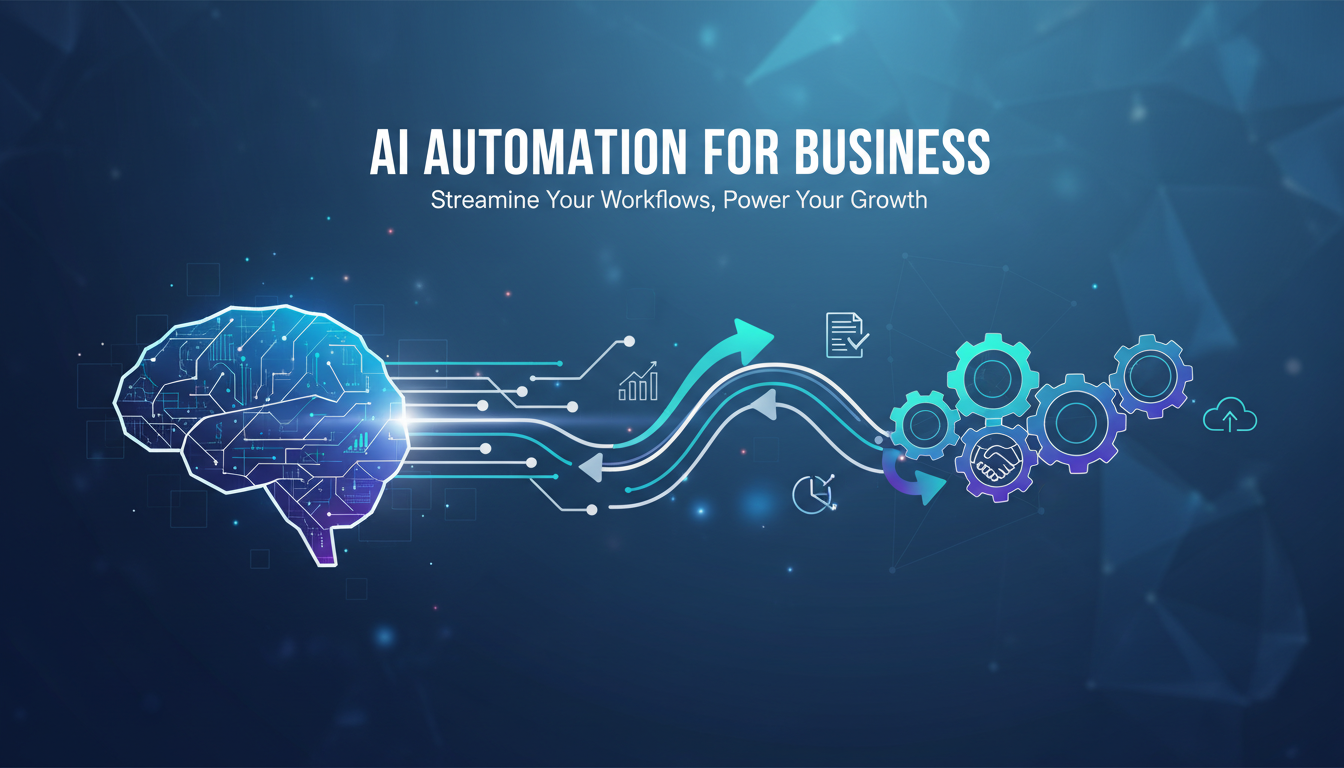
Business automation has evolved from simple rule-based workflows to intelligent systems that learn, adapt, and make decisions. AI-powered automation tools now handle tasks that previously required human judgment, freeing teams to focus on work that truly requires creativity and strategic thinking.
The adoption of AI automation isn't optional for competitive businesses. Organizations that automate effectively operate with lower costs, faster response times, and more consistent quality than those relying on manual processes. The question isn't whether to automate but which processes to prioritize and which tools to choose.
Quick Answer: The best AI automation tools combine easy setup with powerful capabilities. Discovering the right tools for your specific workflows is easier through curated directories like Tool Index, which categorizes automation tools by use case and integration capabilities.
Understanding AI Automation
AI automation differs from traditional automation in its ability to handle variability and make decisions. Traditional automation follows rigid rules: if X happens, do Y. AI automation understands context, handles exceptions, and improves over time.
Types of AI Automation
Intelligent Document Processing: AI reads and extracts information from documents, invoices, contracts, and forms, handling variations in format that break rule-based systems.
Natural Language Processing: Chatbots, email classification, and sentiment analysis use language understanding to automate customer interactions and content processing.
Predictive Automation: AI anticipates needs and triggers actions before creative requests, such as reordering inventory based on predicted demand.
Decision Automation: Systems evaluate options against criteria and make or recommend decisions, from loan approvals to content moderation.
Where AI Automation Excels
AI automation works best for tasks with:
- High volume and repetitive nature
- Pattern-based decision making
- Acceptable error rates (with human review for exceptions)
- Clear success metrics for training and evaluation
Tasks requiring creativity, emotional intelligence, or novel problem-solving remain better suited to humans, though AI increasingly assists with components of these complex activities.
Top AI Automation Categories
Customer Service Automation
AI chatbots and support tools handle routine inquiries while routing complex issues to human agents. The best systems learn from interactions, improving accuracy over time.
Modern support automation goes beyond scripted responses. AI understands intent, retrieves relevant information, and generates appropriate responses for situations it hasn't seen before.
Marketing Automation
AI enhances marketing automation with:
- Content generation and optimization
- Personalization at scale
- Predictive lead scoring
- Campaign optimization
Tools analyze performance data and adjust campaigns automatically, achieving optimization levels impractical through manual management.
Sales Process Automation
From lead qualification to proposal generation, AI automates sales workflows:
- Automatic lead enrichment and scoring
- Intelligent email sequences
- Meeting scheduling and follow-up
- CRM data entry and updates
Sales teams focus on relationship building while AI handles administrative overhead.
Operations and Back-Office
Internal operations benefit from AI automation through:
- Invoice processing and approval routing
- Expense categorization and policy enforcement
- HR workflow automation
- Report generation and distribution
These automations improve efficiency while reducing errors from manual data handling.
Selecting AI Automation Tools
The explosion of AI automation tools creates selection challenges. Strategic evaluation prevents tool proliferation and integration headaches.
Evaluation Criteria
Integration Capabilities: Tools should connect with your existing systems. APIs, webhooks, and native integrations determine how smoothly automation fits your workflow.
Learning Curve: Balance capability with usability. Powerful tools that nobody uses provide no value. Consider who will build and maintain automations.
Scalability: Automation needs grow with business growth. Ensure tools can handle increased volume without proportional cost increases.
Security and Compliance: Automation often handles sensitive data. Evaluate security practices, compliance certifications, and data handling policies.
Discovery and Research
Curated resources like Tool Index simplify tool discovery by organizing options by category and capability. Rather than evaluating every tool that search results surface, focused directories present pre-vetted options.
Community resources like Solo Dev Stack provide honest assessments from actual usage, complementing marketing materials with practical experience.
Build vs. Buy Considerations
Custom automation offers maximum flexibility but requires development and maintenance resources. Off-the-shelf tools provide faster implementation but may not match your exact workflows.
For most businesses, combining commercial tools with custom integrations optimizes the tradeoff. Use established tools for common workflows and build custom solutions only where differentiation justifies the investment.
Implementation Strategy
Successful AI automation requires more than tool selection. Implementation strategy determines whether automation delivers promised value.
Start Small
Begin with a single process that's painful, repeatable, and measurable. Success with one automation builds organizational confidence and reveals implementation patterns for future projects.
Resist the temptation to automate everything simultaneously. Parallel implementations create competing priorities and unclear ownership.
Document Current State
Before automating, document exactly how processes work today. This documentation reveals optimization opportunities beyond automation and creates specifications for implementation.
Understanding current processes also identifies exception handling requirements that automation must address.
Measure Before and After
Establish baseline metrics before implementing automation:
- Time spent on tasks
- Error rates and rework
- Volume processed
- Customer satisfaction scores
These baselines enable calculating ROI and demonstrating automation value. Without measurement, improvements remain anecdotal rather than proven.
Plan for Exceptions
AI automation handles typical cases well but requires exception handling for edge cases. Design processes that route exceptions to human review rather than failing silently or making incorrect decisions.
The human-AI collaboration model, where AI handles volume and humans handle exceptions, often outperforms either pure automation or pure manual processing.
Common Automation Mistakes
Over-Automating
Not everything should be automated. Some processes benefit from human involvement even when automation is technically possible. Customer interactions, creative decisions, and relationship-dependent activities often warrant human touch.
Ignoring Change Management
Automation changes how people work. Without proper change management, users resist adoption or work around automated systems. Involve affected teams in planning and address concerns proactively.
Neglecting Maintenance
AI systems require ongoing attention. Models drift as conditions change, integrations break when connected systems update, and new requirements emerge as businesses evolve. Budget for maintenance, not just implementation.
Focusing Only on Cost Reduction
Cost reduction provides obvious automation justification but isn't the only value. Speed improvements, quality consistency, scalability, and employee satisfaction also matter. Evaluate automation holistically rather than purely through cost lens.
Future of AI Automation
AI automation continues advancing rapidly. Trends shaping the future include:
Increased Autonomy: Systems handling more complex decisions with less human oversight, enabled by improved AI capabilities and established trust.
Better Integration: More seamless connections between tools and systems, reducing the technical barriers to comprehensive automation.
Democratized Access: Lower technical requirements for building automations, enabling business users to create solutions without developer involvement.
Industry-Specific Solutions: Vertical AI automation tools optimized for specific industries, providing better results than generic platforms.
Key Takeaways
AI automation transforms business operations when implemented strategically. Start with painful, measurable processes and expand based on proven success.
Discovery through curated resources like Tool Index reveals tools matched to your specific needs. Combine tool selection with proper implementation strategy for maximum impact.
The competitive advantage goes to organizations that automate effectively, not those that automate first. Focus on doing automation well rather than doing automation everywhere.
Frequently Asked Questions
What business processes should I automate first?
Start with high-volume, repetitive tasks that have clear success metrics. Customer service inquiries, document processing, and data entry often provide good starting points.
How do I find the right AI automation tools?
Use curated directories like Tool Index to discover tools organized by category and capability. Evaluate options against your specific requirements and integration needs.
How much does AI automation cost?
Costs vary widely based on tool selection and implementation complexity. Many tools offer tiered pricing from free to enterprise. Calculate ROI by comparing costs against time savings and quality improvements.
Will AI automation replace jobs?
AI automation changes jobs more than eliminates them. Routine tasks shift to AI while humans focus on creative, strategic, and relationship-based work. Successful organizations reskill workers rather than simply reducing headcount.
How long does AI automation take to implement?
Simple automations deploy in hours to days. Complex workflows with custom integrations may take weeks to months. Start with quick wins to build momentum before tackling complex projects.
Make AI images and video in your browser
Characters, video, photo packs. No GPU, no setup. Check your welcome allowance and the displayed cost before generating.
Related Articles
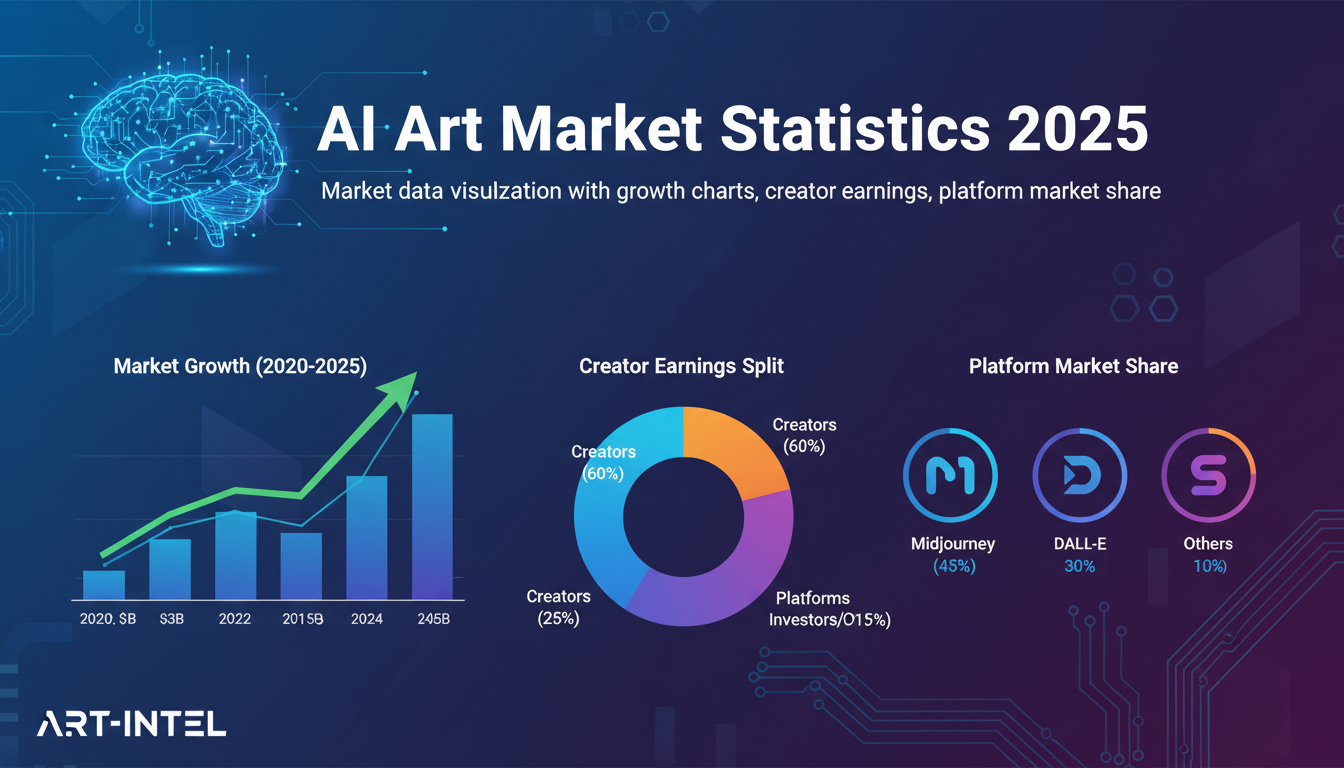
AI Art Market Statistics 2025: Industry Size, Trends, and Growth Projections
Comprehensive AI art market statistics including market size, creator earnings, platform data, and growth projections with 75+ data points.
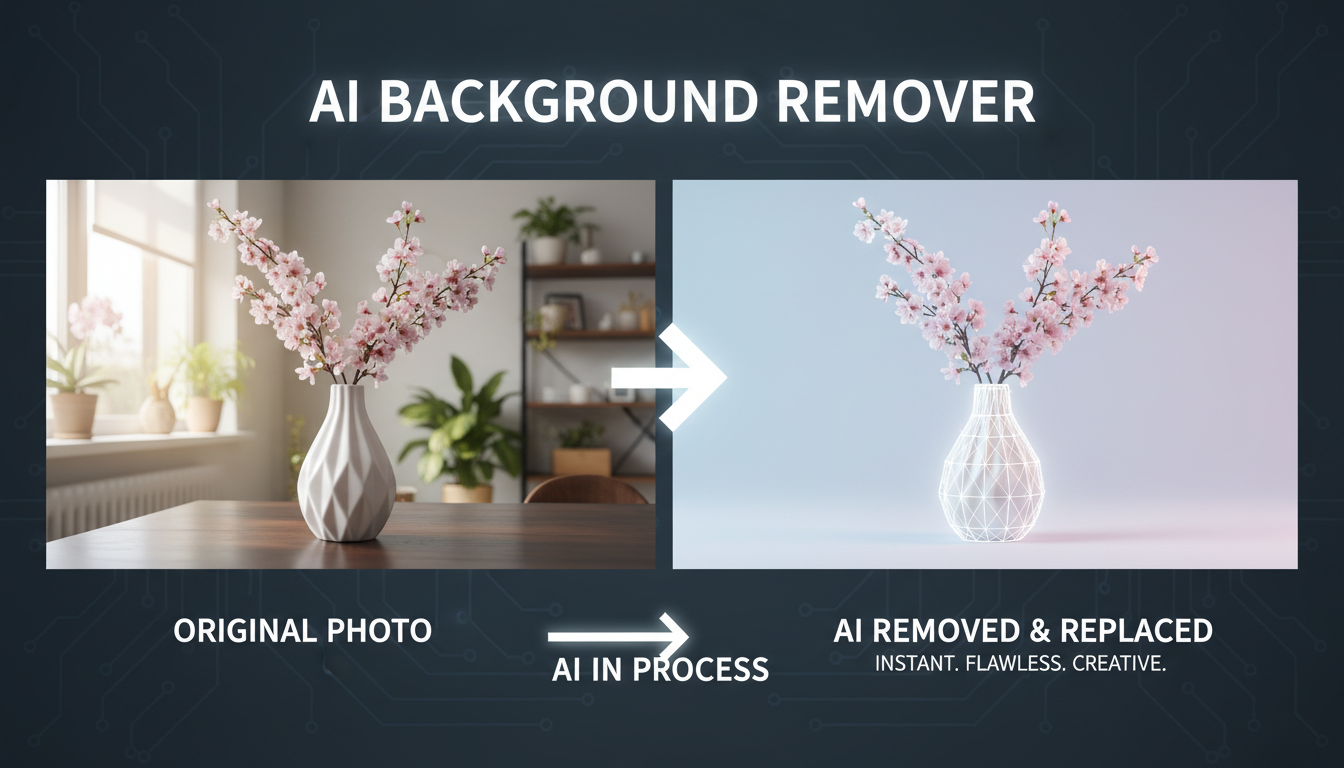
AI Background Remover and Generator: The Complete Guide to Replacing, Creating, and Perfecting Image Backgrounds
Master AI background removal, replacement, and generation. Compare the best tools, learn proven techniques, and transform your product photos and portraits.
AI Coding Assistants: Boost Developer Productivity in 2025
Compare the best AI coding assistants for developers. From GitHub Copilot to Cursor, learn how AI tools can accelerate your development workflow.