Z-Image Base vs Z-Image Edit: Generation vs Transformation
Compare Z-Image Base and Z-Image Edit for your workflow. Understand when to use generation vs editing models and how they complement each other.

Make AI images and video in your browser
Characters, video, photo packs. No GPU, no setup. Your first generation is free.
Alibaba's Z-Image family includes both generation-focused models (Z-Image Base) and editing-specialized variants (Z-Image Edit). Understanding the differences helps you choose the right tool for each task and build efficient workflows that use both capabilities. This comparison covers architecture, use cases, and practical guidance for working with each model.
The distinction matters because using the wrong model for a task often produces suboptimal results. Generation models modified through img2img work differently than purpose-built editing models.
Core Differences
Let's establish the fundamental differences between these models.
Z-Image Base: Generation Focus
Z-Image Base is designed for creating images from scratch:
Primary Use Cases:
- Text-to-image generation
- LoRA training
- Creative exploration
- High-quality image creation
Architecture:
- Full 6B parameter S3-DiT model
- Optimized for prompt understanding
- Strong concept representation
- Excellent training characteristics
Workflow Style:
- Start with text prompt
- Generate complete images
- Iterate through variations
- Train custom adaptations
Z-Image Edit: Editing Focus
Z-Image Edit specializes in image transformation:
Primary Use Cases:
- Instruction-based editing
- Targeted modifications
- Background replacement
- Object addition/removal
- Style transfer on existing images
Architecture:
- Modified architecture for source understanding
- Enhanced image encoding pathways
- Instruction processing capabilities
- Targeted attention mechanisms
Workflow Style:
- Start with existing image
- Provide editing instruction
- Transform specific elements
- Preserve what shouldn't change
Capability Comparison
Detailed comparison of what each model does well.
Generation Quality
| Aspect | Z-Image Base | Z-Image Edit |
|---|---|---|
| Text-to-image | Excellent | Limited |
| Prompt adherence | Strong | Moderate |
| Creative freedom | High | Medium |
| Detail rendering | Excellent | Good |
Z-Image Base wins decisively for pure generation tasks.
Editing Capabilities
| Aspect | Z-Image Base | Z-Image Edit |
|---|---|---|
| Instruction editing | Via img2img | Native |
| Inpainting | Limited | Strong |
| Object manipulation | Indirect | Direct |
| Background changes | Possible | Optimized |
Z-Image Edit provides more precise editing control.
Training Suitability
| Aspect | Z-Image Base | Z-Image Edit |
|---|---|---|
| LoRA training | Excellent | Limited |
| Concept learning | Strong | Moderate |
| Style transfer | Good | Task-specific |
| Custom adaptation | Recommended | Not primary use |
Z-Image Base is the clear choice for training workflows.
 Different models suit different stages of creative workflows
When to Use Each
Practical guidance for choosing between the models.
Use Z-Image Base When:
Creating from scratch: You have a concept in mind and want to generate it without existing reference material.
Training custom models: LoRA development, fine-tuning, and custom adaptation all work better on the base model.
Exploring variations: Generating multiple interpretations of a concept benefits from Base's creative range.
Maximum quality matters: For final renders where generation quality is paramount.
Building image libraries: Creating collections of original content for projects.
Use Z-Image Edit When:
Modifying existing photos: You have a photo that needs specific changes while preserving identity.
Targeted changes: You want to change one element (background, clothing, object) while keeping everything else.
Free ComfyUI Workflows
Find free, open-source ComfyUI workflows for techniques in this article. Open source is strong.
Instruction-based workflow: Natural language instructions like "make it sunset" or "add a hat" are your preferred interface.
Client revision rounds: Making specific changes to previously approved images.
Photo enhancement: Improving existing images rather than generating new ones.
Consider Both When:
Complex projects: Generate initial concepts with Base, refine with Edit.
Character consistency: Train LoRA on Base, use Edit for pose/scene variations.
Product photography: Generate base images with Base, composite with Edit.
Workflow Integration
How to use both models effectively together.
Sequential Workflow
Concept Phase (Base)
- Generate initial ideas
- Explore variations
- Select promising directions
Refinement Phase (Edit)
- Apply targeted changes
- Fix specific issues
- Adjust for requirements
Polish Phase (Either)
- Final quality pass
- Detail enhancement
- Resolution scaling
Parallel Workflow
For different asset types in the same project:
Want to skip the complexity? Apatero gives you professional AI results instantly with no technical setup required.
- Use Base for hero images
- Use Edit for variations and adaptations
- Combine outputs in final composition
Training-Enhanced Workflow
- Train character/style LoRA on Base
- Generate initial images with LoRA
- Apply scene/pose changes with Edit
- Maintain character consistency across contexts
 Complex projects benefit from using both models
Technical Differences
Understanding the technical distinctions.
Memory Requirements
Z-Image Base:
- ~12GB VRAM minimum
- Standard checkpoint size
- Normal inference memory
Z-Image Edit:
- ~14GB VRAM minimum (source + model)
- Slightly larger due to edit pathways
- Additional memory for source encoding
Speed Comparison
Z-Image Base:
- Standard generation speed
- ~12 seconds at 30 steps (RTX 4070)
- Consistent across tasks
Z-Image Edit:
- Similar generation speed
- Additional preprocessing for source
- Total time slightly higher
Model Files
Both are separate checkpoints requiring individual downloads. They share architectural foundations but have different trained weights and capabilities.
Z-Image Omni Base: The Unified Alternative
As covered in our Omni Base article, Alibaba is consolidating these capabilities.
What Omni Base Offers
- Generation capabilities from Base
- Editing features from Edit
- Single model for both workflows
- Simplified management
Migration Considerations
If you're currently using both models:
- Omni Base can replace both for many workflows
- Some specialized Edit features may work differently
- Testing required for your specific use cases
- Base remains best for pure training
Practical Examples
Let's see each model in action.
Example 1: Product Photography
Task: Create product imagery for an e-commerce listing
Earn Up To $1,250+/Month Creating Content
Join our exclusive creator affiliate program. Get paid per viral video based on performance. Create content in your style with full creative freedom.
Z-Image Base approach:
Prompt: "Professional product photo of wireless headphones on white background, studio lighting, commercial photography"
Generate multiple angles and compositions from scratch.
Z-Image Edit approach: Starting with existing product photo:
Instruction: "Change background to lifestyle setting, wooden desk with plants"
Transform existing shots to new contexts.
Example 2: Character Development
Task: Create consistent character across scenes
Z-Image Base approach:
- Train character LoRA
- Generate character in various settings
- Use for scenes requiring different poses
Z-Image Edit approach: Starting with existing character image:
Instruction: "Change outfit to formal business attire"
Modify specific elements while preserving character.
Example 3: Photo Enhancement
Task: Improve existing photography
Z-Image Base approach: Use as img2img with low denoise for style transfer. Works but imprecise.
Z-Image Edit approach:
Instruction: "Enhance lighting, add golden hour warmth, improve sky details"
Targeted improvements without regenerating the whole image.
Key Takeaways
- Z-Image Base excels at generation and LoRA training
- Z-Image Edit excels at transformation and targeted changes
- Use Base for creating new images from prompts
- Use Edit for modifying existing images with instructions
- Combine both for complex workflows
- Z-Image Omni Base unifies capabilities in one model
Frequently Asked Questions
Can Z-Image Base do editing?
Yes, via img2img, but it's less precise than Z-Image Edit's instruction-based approach.
Can Z-Image Edit generate from text only?
Limited capability. It's designed for transformation, not pure generation.
Which model uses more VRAM?
Z-Image Edit typically needs slightly more due to source image encoding.
Should I download both models?
Depends on your workflow. Consider Omni Base if you need both capabilities.
Can I train LoRAs on Z-Image Edit?
Technically possible but not recommended. Base produces better training results.
How do editing instructions work?
Natural language descriptions of desired changes: "make the sky more dramatic" or "add a reflection."
Is Edit better than Base's img2img?
For targeted edits, yes. Edit understands instructions semantically rather than just blending.
Do they share LoRAs?
No, LoRAs trained on Base won't work optimally on Edit due to architectural differences.
Which is faster?
Similar speeds, with Edit adding minimal overhead for source processing.
What about Z-Image Omni Base?
Omni Base combines both capabilities. Consider it for unified workflows.
Understanding when to use Z-Image Base versus Z-Image Edit helps you build efficient creative workflows. Generation and editing are complementary capabilities, and having both in your toolkit enables projects that neither alone could achieve as effectively.
For access to multiple Z-Image variants without managing separate models, Apatero offers the Z-Image family alongside 50+ other models, with features including video generation and LoRA training on Pro plans.
Make AI images and video in your browser
Characters, video, photo packs. No GPU, no setup. Your first generation is free.
Related Articles
Adobe Firefly vs Midjourney vs Ideogram 2026: Which Wins
Brand-safe licensing, scroll-stopping aesthetics, or text rendering. Three tools optimized for three different jobs, tested against real briefs.
AI Architecture Rendering 2026: Veras vs Paintit vs Midjourney
44 percent of architects use AI in 2026. Veras, Paintit, ArchiVinci, and Midjourney tested on five real architectural briefs from a working studio.
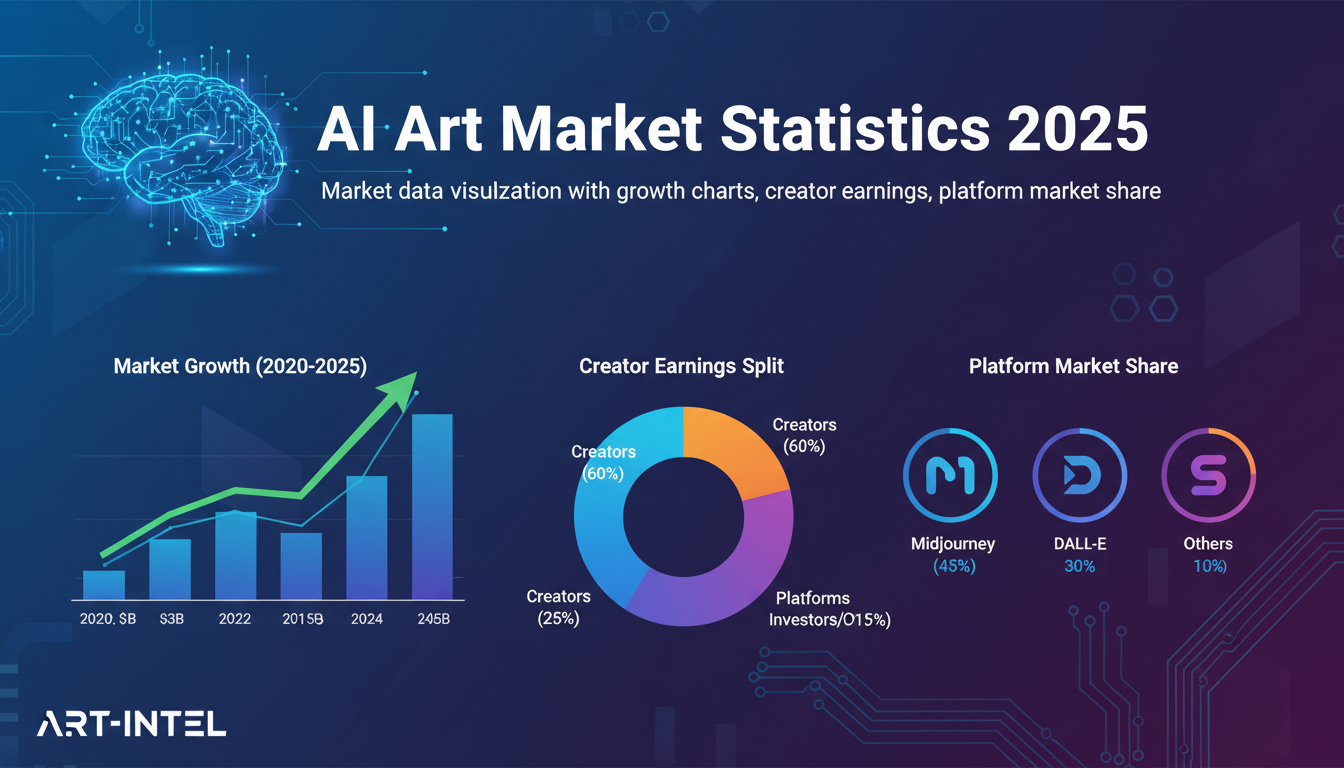
AI Art Market Statistics 2025: Industry Size, Trends, and Growth Projections
Comprehensive AI art market statistics including market size, creator earnings, platform data, and growth projections with 75+ data points.