Flux 2 Klein vs Z-Image Base: Complete Model Comparison
In-depth comparison of Flux 2 Klein and Z-Image Base for AI image generation. Quality, speed, training capability, and use case recommendations.
Make AI images and video in your browser
Characters, video, photo packs. No GPU, no setup. Your first generation is free.
Flux 2 Klein and Z-Image Base represent two of the most capable open-source image generation models available today. While they serve similar purposes, they come from different companies with different design philosophies and different strengths. This comparison examines both models across every dimension that matters for practical use.
Understanding where each model excels helps you make informed decisions about which to invest your time learning.
Architecture Comparison
The fundamental design differences affect everything downstream.
Flux 2 Klein
Architecture: Flux transformer-based Parameters: 4B (with 9B variant) Design: Distilled for speed Origin: Black Forest Labs
Klein represents the Flux approach: clean architecture, strong prompt understanding, and distillation for practical speed.
Z-Image Base
Architecture: S3-DiT (Scalable Self-attention, Sliding-window DiT) Parameters: 6B Design: Non-distilled foundation model Origin: Alibaba
Base represents the foundation approach: full model capacity optimized for quality and trainability over speed.
Key Architectural Differences
| Aspect | Klein | Base |
|---|---|---|
| Distillation | Yes | No |
| Primary optimization | Speed | Quality/Training |
| Step count | 4 optimal | 20-50 optimal |
| Architecture type | Flux | S3-DiT |
Speed Comparison
One of the starkest differences between these models.
Generation Times
On RTX 4070 Super at 1024x1024:
| Model | Optimal Steps | Time |
|---|---|---|
| Flux 2 Klein 4B | 4 | ~1.2s |
| Z-Image Base | 30 | ~18s |
| Z-Image Base | 20 | ~12s |
Klein is 10-15x faster at equivalent quality settings.
When Speed Matters
Klein advantages:
- Rapid iteration and exploration
- Real-time preview applications
- High-volume batch generation
- Interactive creative tools
Base acceptance:
- Final render quality
- Production-ready outputs
- When quality justifies time investment
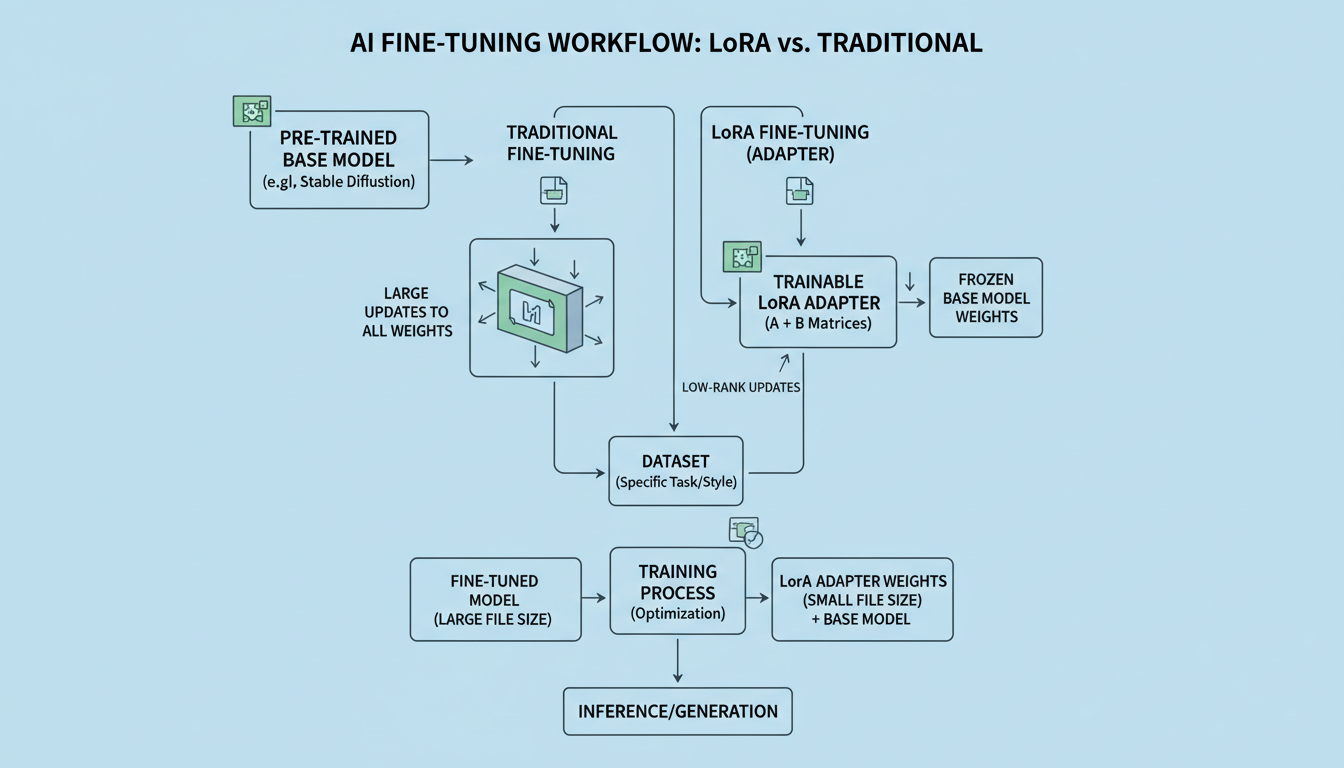 Dramatic speed difference between distilled and non-distilled models
Quality Comparison
The more nuanced comparison dimension.
Visual Quality Assessment
| Aspect | Klein | Base | Difference |
|---|---|---|---|
| Fine detail | Good | Excellent | Base +15% |
| Sharpness | Good | Excellent | Base +10% |
| Color depth | Good | Excellent | Base +10% |
| Texture quality | Good | Excellent | Base +20% |
| Overall fidelity | 85/100 | 95/100 | Base +10% |
When Quality Differences Matter
Matters:
- Print-resolution work
- Professional portfolio pieces
- Close examination expected
- Archival quality needed
Doesn't matter:
- Social media content
- Rapid prototyping
- Concept exploration
- Web-resolution use
Prompt Adherence
Both models follow prompts well, with slight differences:
Klein: Excellent prompt adherence, interprets natural language effectively Base: Excellent prompt adherence, may capture more subtle nuances
Style Range
| Style | Klein | Base |
|---|---|---|
| Photorealistic | Good | Excellent |
| Artistic | Good | Good |
| Anime | Good | Excellent |
| Abstract | Good | Good |
| Technical | Good | Good |
Base has slight edge for photorealistic and anime due to non-distilled fidelity.
Training Capabilities
Critical for users who want custom models.
LoRA Training
Klein:
Free ComfyUI Workflows
Find free, open-source ComfyUI workflows for techniques in this article. Open source is strong.
- Supports LoRA training on 4B
- Reasonable training outcomes
- Growing LoRA ecosystem
Base:
- Excellent LoRA training characteristics
- Stable gradients, predictable outcomes
- Large existing LoRA library
Winner: Z-Image Base - non-distilled architecture trains significantly better.
Training Comparison
| Factor | Klein | Base |
|---|---|---|
| Training stability | Good | Excellent |
| Concept capture | Good | Excellent |
| Overfitting risk | Moderate | Lower |
| Result predictability | Good | Excellent |
Recommendation
If LoRA training is important:
- Train on Base for best results
- Use Klein with trained LoRAs if speed needed
- Accept reduced LoRA effectiveness on Klein
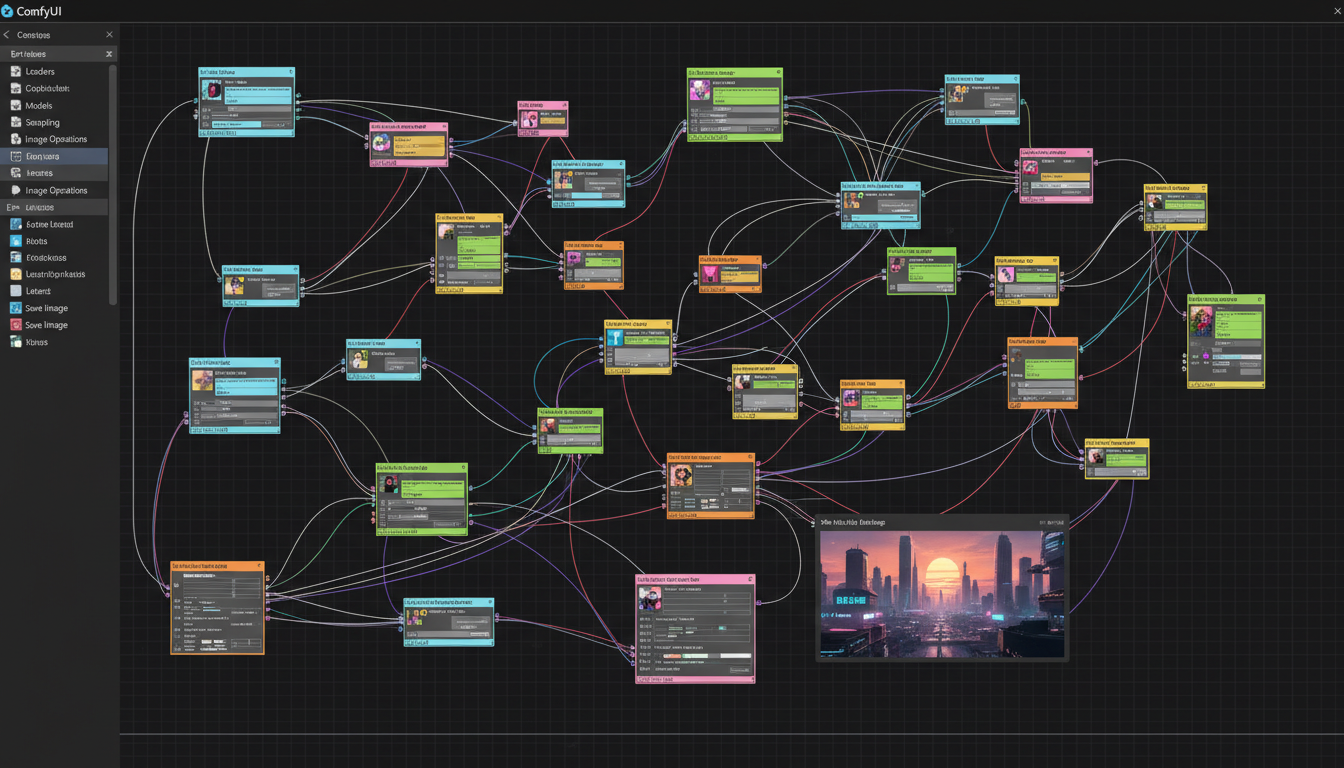 Non-distilled models train more effectively
Licensing Comparison
Critical for commercial applications.
Flux 2 Klein 4B
License: Apache 2.0
- Full commercial use allowed
- No royalties or revenue sharing
- Modification and distribution allowed
- Clear, well-understood terms
Z-Image Base
License: Open license (check specific terms)
- Generally permissive
- Some restrictions may apply
- Read carefully for commercial use
- Less universally clear than Apache 2.0
Winner: Klein - Apache 2.0 is the gold standard for commercial clarity.
Hardware Requirements
Both models have similar requirements with some differences.
Want to skip the complexity? Apatero gives you professional AI results instantly with no technical setup required.
Klein Requirements
Minimum: 8GB VRAM (fp16) Recommended: 12GB VRAM Training: 16GB VRAM
Base Requirements
Minimum: 12GB VRAM Recommended: 16-24GB VRAM Training: 24GB VRAM
Klein's efficiency makes it more accessible on consumer hardware.
Ecosystem Comparison
The surrounding tools and community matter.
Klein Ecosystem
- Growing community
- Active development
- ComfyUI support
- Increasing LoRA availability
Base Ecosystem
- Established community
- Mature tooling
- Extensive ComfyUI workflows
- Large LoRA library
- Z-Image family integration
Winner: Base - more established ecosystem currently.
Use Case Recommendations
Clear guidance based on the comparison.
Choose Flux 2 Klein When:
Speed is priority:
- Rapid prototyping
- Interactive applications
- High-volume generation
- Real-time previews
Commercial use:
- Products and services
- Client deliverables
- SaaS platforms
- Apache 2.0 needed
Hardware limited:
Earn Up To $1,250+/Month Creating Content
Join our exclusive creator affiliate program. Get paid per viral video based on performance. Create content in your style with full creative freedom.
- 8-12GB VRAM cards
- Consumer GPUs
- Cost-sensitive setups
Text rendering needed:
- Signage in images
- Marketing materials
- UI mockups
Choose Z-Image Base When:
Quality is paramount:
- Portfolio pieces
- Print work
- Final production renders
- Detailed examination expected
Training custom models:
- Character LoRAs
- Style LoRAs
- Commercial custom models
- Long-term LoRA investments
Existing ecosystem:
- Already using Z-Image family
- Have Z-Image LoRAs
- Workflow compatibility
Maximum capability:
- Complex compositions
- Fine detail requirements
- Professional quality standards
Workflow Integration
How to use both models effectively.
Hybrid Workflow
- Explore with Klein - Rapid concept iteration
- Select promising directions - Review Klein outputs
- Render finals with Base - Maximum quality for selected concepts
- Train on Base - Custom LoRAs for ongoing projects
Parallel Usage
Different models for different project stages:
- Thumbnails/previews: Klein
- Client presentations: Base
- Social media: Klein
- Print/portfolio: Base
Single Model Simplicity
If using only one:
- Klein: When speed and commercial use dominate
- Base: When quality and training dominate
Key Takeaways
- Klein is 10-15x faster but Base has ~10% quality advantage
- Klein has Apache 2.0 - clearest commercial licensing
- Base trains LoRAs better - non-distilled advantage
- Klein needs less VRAM (8GB vs 12GB minimum)
- Base has larger ecosystem currently
- Use both in hybrid workflows for best results
Frequently Asked Questions
Which produces better images?
Base produces slightly better quality, but Klein is close and much faster.
Can I switch between them easily?
Yes, with some prompting adjustments. Both work in similar workflows.
Which is better for commercial use?
Klein's Apache 2.0 license is clearer for commercial applications.
Should I learn both?
If possible, yes. They complement each other well.
Which has better anime results?
Base has a slight edge, but both produce good anime content.
Can I use Base LoRAs on Klein?
No, different architectures. LoRAs are model-specific.
Is Klein's quality "good enough"?
For most use cases, yes. Only pixel-perfect requirements favor Base.
Which is better for beginners?
Klein - faster iteration helps learning.
Will Klein improve to match Base quality?
Future versions may narrow the gap, but distillation always trades some quality for speed.
Can I train LoRAs on Klein?
Yes, but Base produces better training results.
Flux 2 Klein and Z-Image Base represent different optimization choices - speed vs quality, accessibility vs capability. The best choice depends on your specific priorities, and using both together often produces the best overall workflow.
For access to both Klein and Z-Image Base alongside 50+ other models, Apatero offers hosted generation with features including video generation and LoRA training on Pro plans.
Make AI images and video in your browser
Characters, video, photo packs. No GPU, no setup. Your first generation is free.
Related Articles
Adobe Firefly vs Midjourney vs Ideogram 2026: Which Wins
Brand-safe licensing, scroll-stopping aesthetics, or text rendering. Three tools optimized for three different jobs, tested against real briefs.
AI Architecture Rendering 2026: Veras vs Paintit vs Midjourney
44 percent of architects use AI in 2026. Veras, Paintit, ArchiVinci, and Midjourney tested on five real architectural briefs from a working studio.
AI Art Market Statistics 2025: Industry Size, Trends, and Growth Projections
Comprehensive AI art market statistics including market size, creator earnings, platform data, and growth projections with 75+ data points.