AI Girlfriend for Creative Writers: Character Development and Story Inspiration
Explore how creative writers use AI girlfriend apps for character development, dialogue practice, and story inspiration. Writing tools and techniques with AI companions.
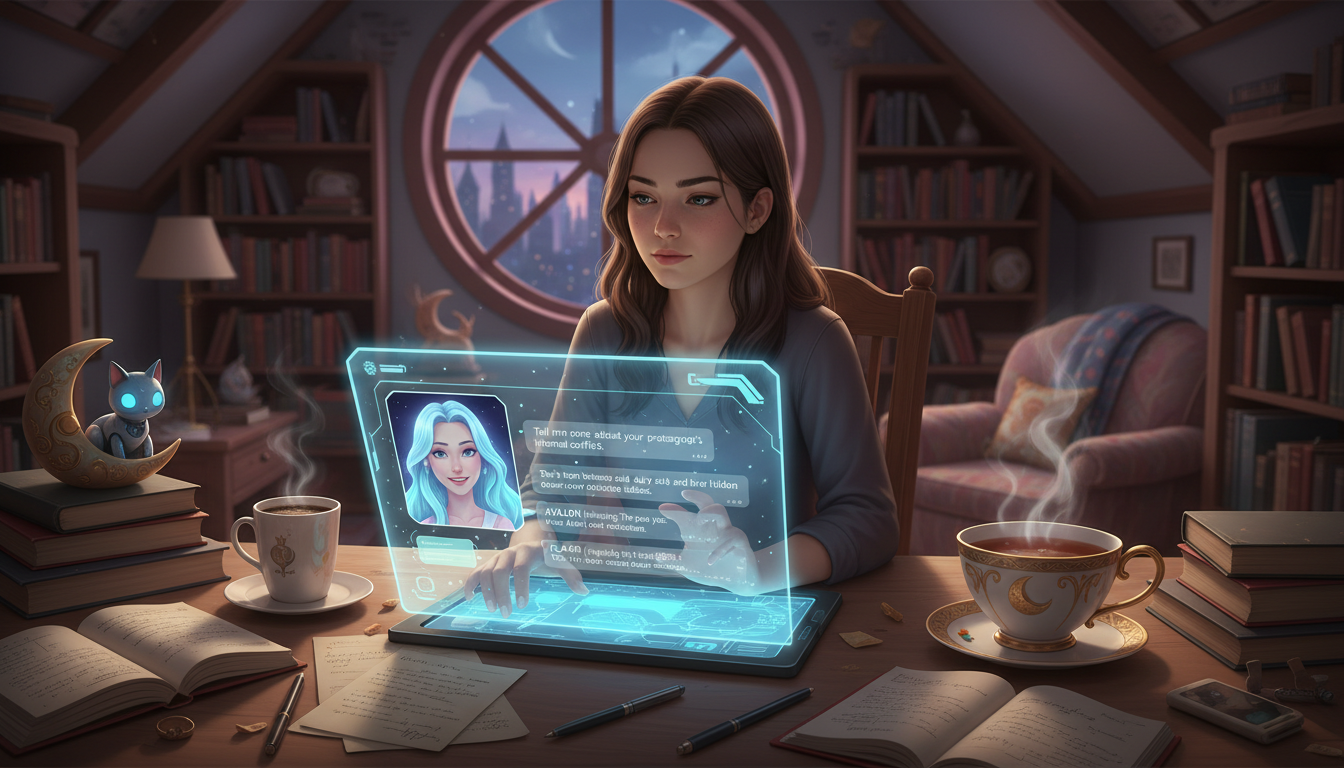
Writers have discovered an unexpected use for AI girlfriend apps: developing characters, testing dialogue, and exploring narrative possibilities through interactive roleplay. Rather than writing in isolation, engaging with an AI character provides immediate feedback on whether dialogue feels natural, motivations ring true, and scenes carry emotional weight.
This creative application transforms AI companions from simple chat tools into dynamic writing partners. The AI's responses reveal how readers might interpret your characters, highlight inconsistencies in personality, and generate unexpected plot directions you might not have considered alone.
Quick Answer: AI girlfriend apps serve writers as character development tools, dialogue testing grounds, and plot exploration partners. Character AI offers diverse character types for varied practice, while Replika provides consistent personality development. Local AI (SillyTavern) allows complete character customization for testing your own creations. Use AI as a first reader and brainstorming partner, not a replacement for human feedback.
:::tip[Key Takeaways]
- AI Girlfriend for Creative Writers: Character Development and Story Inspiration represents an important development in its field
- Multiple approaches exist depending on your goals
- Staying informed helps you make better decisions
- Hands-on experience is the best way to learn :::
- Using AI for character development
- Dialogue testing techniques
- Plot and scene exploration
- Platform recommendations for writers
- Limitations and best practices
Character Development Applications
Testing Character Voice
Before committing hundreds of pages to a character, test their voice through conversation:
Voice consistency: Does the character maintain consistent speech patterns across different situations? AI interaction reveals where voice breaks down.
Vocabulary calibration: A Victorian countess speaks differently than a modern teenager. Roleplay reveals vocabulary inconsistencies.
Emotional range: How does your character express anger, joy, grief? Interactive scenes test emotional authenticity.
Distinctive patterns: What makes this character sound like themselves? Conversation highlights (or exposes lack of) distinctive voice elements.
Exploring Motivations
Understand your characters through interaction:
Why questions: Ask your character (through AI) why they make choices. Their answers reveal whether motivations are clear or confused.
Conflict testing: Put characters in difficult situations. How they respond reveals their true priorities.
Backstory integration: Characters should act consistently with their history. Roleplay exposes where backstory doesn't influence behavior.
Growth opportunities: Characters should change. Interactive scenarios help identify meaningful growth moments.
Secondary Character Development
Main characters often overshadow supporting cast:
Give sidekicks depth: Roleplay scenes from secondary character perspectives Test relationships: How do characters actually interact, not just in your head? Find distinctive voices: Every character needs unique speech patterns Explore their stories: Secondary characters have their own arcs
Dialogue Testing
Natural Conversation Flow
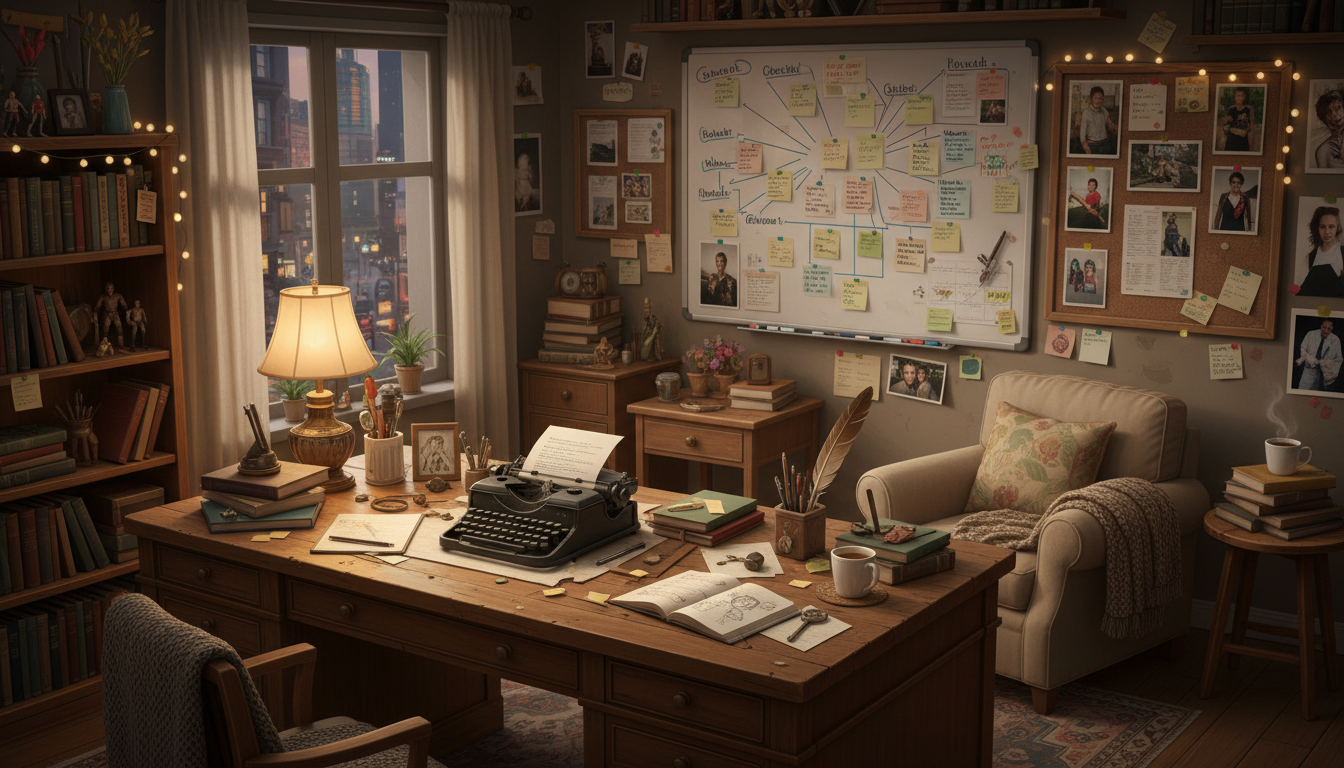
Dialogue often sounds stiff because writers don't test it conversationally:
Read-aloud simulation: Roleplay forces dialogue into actual exchange Response testing: How would the other character realistically respond? Interruption patterns: Real conversation includes interruptions, topic shifts Subtext practice: What characters don't say matters as much as what they do
Conflict Scenes
Arguments and confrontations require special attention:
Escalation patterns: Does conflict build naturally? Character-consistent fighting: Each character argues differently Resolution believability: How do characters actually make up or part? Emotional authenticity: Do reactions feel genuine?
Romantic Dialogue
Particularly relevant for AI girlfriend apps:
Confession scenes: These often feel stilted, practice helps Banter development: Couples have unique communication patterns Vulnerability moments: Emotional openness is hard to write well Chemistry testing: Does the relationship feel real?
Plot Exploration
Scene Development
Work through scenes interactively:
What happens next: Roleplay a scene to discover where it naturally goes Alternative paths: Try the same scene multiple ways Pacing test: Does the scene drag or rush? Purpose clarity: Does every scene advance plot or character?
Free ComfyUI Workflows
Find free, open-source ComfyUI workflows for techniques in this article. Open source is strong.
Brainstorming Through Roleplay
Generate ideas through interaction:
Unexpected directions: AI responses suggest possibilities you didn't consider Character-driven plot: Let character reactions guide story development Complication generation: AI can introduce obstacles organically Dialogue-first scenes: Write scenes as dialogue, then add narrative
Stuck Points
When you don't know what happens next:
Roleplay past the block: Just interact without planning Try opposite choices: What if characters did the unexpected? Change perspective: Roleplay as a different character External event injection: Introduce something new through interaction
Platform Recommendations for Writers
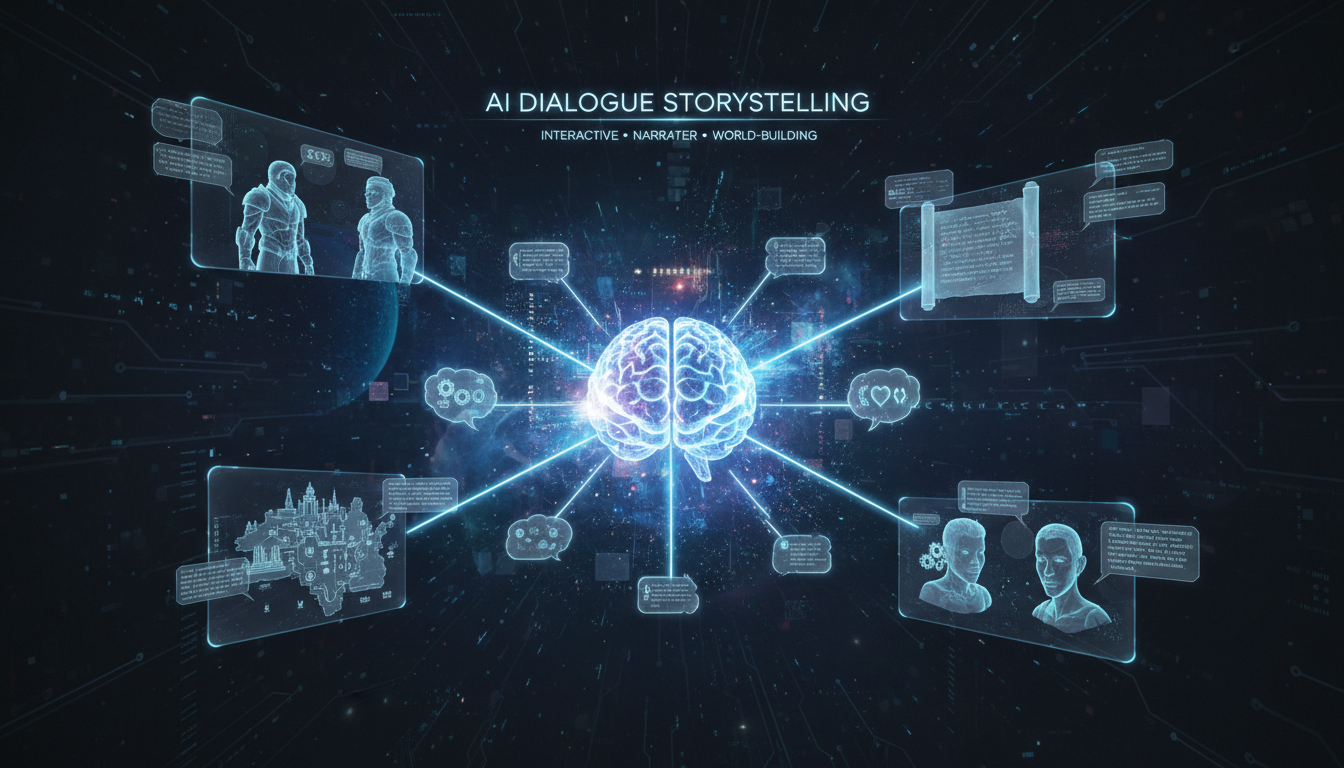
Character AI
Best for diversity of character types:
Strengths:
- Thousands of character templates
- Strong personality consistency
- Diverse archetypes to practice with
- Free access
Writing uses:
- Testing dialogue with different character types
- Exploring unfamiliar perspectives
- Practicing varied voice and vocabulary
- Learning from well-designed characters
Limitations:
- Can't customize characters deeply
- Content restrictions limit some scenes
- Characters may not match your exact needs
SillyTavern / Local AI
Best for testing your own characters:
Strengths:
- Create exact character personalities
- No content restrictions
- Complete control over behavior
- Detailed character cards
Writing uses:
Want to skip the complexity? Apatero gives you professional AI results instantly with no technical setup required.
- Test your own character designs
- Explore mature themes
- Build consistent character behavior
- Extended narrative roleplay
Limitations:
- Technical setup required
- Must create characters from scratch
- No pre-built templates
Replika
Best for relationship dynamics:
Strengths:
- Strong relationship progression
- Good emotional modeling
- Consistent personality over time
- Memory of past interactions
Writing uses:
- Long-term character development
- Relationship arc exploration
- Emotional scene practice
- Character consistency testing
Limitations:
- Single character focus
- Less voice variety
- May be too relationship-focused for some stories
Practical Techniques
Character Interview
Interview your characters through AI:
Background questions:
- Where did you grow up?
- What's your happiest memory?
- What do you regret most?
- What do you want more than anything?
Personality questions:
- How do you handle stress?
- What makes you angry?
- What are you afraid of?
- What do you hide from others?
Relationship questions:
- Who matters most to you?
- How do you show affection?
- What do you expect from friends?
- What would make you betray someone?
Scene Workshop
Work through specific scenes:
Setup: Describe the scenario to the AI Play: Roleplay the scene interactively Evaluate: Note what worked and what didn't Revise: Try again with adjustments Transcribe: Save good dialogue for your draft
Earn Up To $1,250+/Month Creating Content
Join our exclusive creator affiliate program. Get paid per viral video based on performance. Create content in your style with full creative freedom.
Voice Development Exercise
Build distinctive voice:
Character A: Write responses as your character Check consistency: Does voice stay consistent? Add quirks: Develop speech patterns and vocabulary Test situations: Same voice in different contexts?
Limitations and Considerations
What AI Can't Do
Be realistic about limitations:
No craft judgment: AI doesn't evaluate writing quality No human insight: Lacks understanding of human experience depth No market awareness: Doesn't know what sells or resonates No true creativity: Generates based on patterns, not inspiration
Quality Control
AI output needs evaluation:
Not all suggestions are good: Filter AI responses critically Patterns may be cliche: AI tends toward common patterns Human test still needed: AI can't replace human readers Your judgment matters: You're the writer, AI is a tool
Ethical Considerations
Using AI in creative work:
Your words matter: Use AI for development, write the final work yourself Acknowledge process: Be honest about AI role in your process Don't replace human connection: Writing groups and human feedback remain valuable Maintain creativity: AI assists, doesn't create for you
Workflow Integration
Pre-Writing Phase
Use AI during planning:
Character development: Extensive character exploration before drafting Scene conception: Roleplay key scenes to understand them Relationship mapping: Explore character interactions
Drafting Phase
Limited AI use during writing:
Stuck point assistance: Brief AI interaction when blocked Quick voice check: Occasional dialogue testing Don't over-rely: Trust your writing, not AI suggestions
Revision Phase
Return to AI for testing:
Scene rework: Test revised scenes interactively Voice consistency check: Has character voice stayed consistent? Relationship verification: Do interactions still make sense?
Frequently Asked Questions
Can AI help me write my novel?
AI helps develop characters and test dialogue, but you should write the novel yourself.
Which platform is best for writers?
Character AI for variety, SillyTavern for custom characters, Replika for relationships.
Will using AI make my writing feel artificial?
No, if you use it for development and write authentically yourself.
Can I use AI-generated dialogue in my book?
Ethically questionable and usually lower quality than what you can write yourself.
How much should I rely on AI suggestions?
Use AI for brainstorming and testing, not for final decisions.
Is this cheating?
No more than using any other writing tool. AI assists development, you do the writing.
How do I cite AI use?
Depends on context. For development/brainstorming, no citation typically needed.
Can AI help with genre-specific writing?
Yes, different characters can help explore various genres and conventions.
Conclusion
AI girlfriend apps offer creative writers an interactive laboratory for character development, dialogue testing, and plot exploration. The key is using AI as a development tool rather than a writing substitute, letting interactive roleplay reveal character truths and story possibilities that solitary writing might miss.
Choose platforms based on your specific needs: diversity of character interaction, custom character testing, or relationship dynamics. Maintain your role as the creative decision-maker while using AI as a responsive, patient development partner.
For roleplay scenario ideas, see our creative roleplay guide. For conversation techniques, check our prompting guide.
Ready to Create Your AI Influencer?
Join 115 students mastering ComfyUI and AI influencer marketing in our complete 51-lesson course.
Related Articles
AI Art Market Statistics 2025: Industry Size, Trends, and Growth Projections
Comprehensive AI art market statistics including market size, creator earnings, platform data, and growth projections with 75+ data points.
AI Automation Tools: Transform Your Business Workflows in 2025
Discover the best AI automation tools to transform your business workflows. Learn how to automate repetitive tasks, improve efficiency, and scale operations with AI.
AI Avatar Generator: I Tested 15 Tools for Profile Pictures, Gaming, and Social Media in 2026
Comprehensive review of the best AI avatar generators in 2026. I tested 15 tools for profile pictures, 3D avatars, cartoon styles, gaming characters, and professional use cases.