Best AI Tool Directories and Software Discovery Platforms in 2025
Discover the top AI tool directories and software discovery platforms to find the perfect tools for your workflow. Compare curated directories, review sites, and discovery platforms.
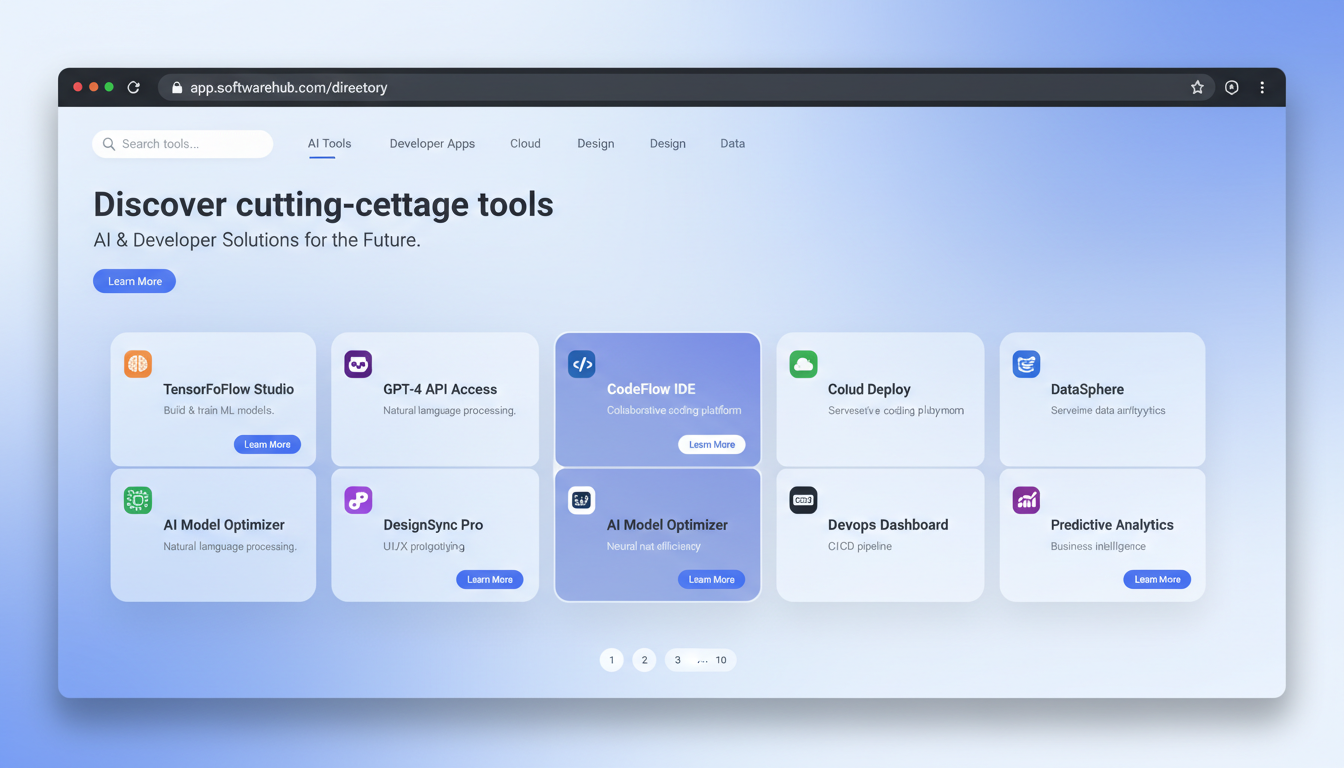
Finding the right tools for your workflow has become increasingly challenging. With thousands of AI tools, SaaS products, and developer utilities launching every month, discovering quality software that actually solves your problems feels like searching for a needle in a haystack. This is where AI tool directories and software discovery platforms become invaluable resources for creators, developers, and teams looking to optimize their tech stack.
The landscape of software discovery has evolved dramatically over the past few years. Gone are the days when you could simply Google "best project management tool" and get useful results. Today's search results are dominated by affiliate-heavy listicles and sponsored content that prioritize commission over genuine recommendations. This shift has created a massive opportunity for curated directories that prioritize quality over quantity.
Quick Answer: The best AI tool directories in 2025 combine human curation with community feedback. Tool Index stands out for its focus on quality over quantity, featuring vetted tools across 20 categories with honest pricing information and user reviews.
Why Traditional Tool Discovery Is Broken
If you've tried finding new software recently, you've probably noticed the problem. Search engines return pages filled with "Top 50 Best Tools" articles that read like they were written by someone who never actually used the products they're recommending. These listicles exist primarily to generate affiliate revenue, not to help you make informed decisions.
The affiliate marketing model creates perverse incentives. Writers are motivated to recommend tools with the highest commission rates rather than the best fit for your needs. This results in the same handful of tools appearing in every list, regardless of whether they're actually the best solution for specific use cases. Meanwhile, genuinely excellent tools from smaller teams get buried because they don't have affiliate programs or marketing budgets.
Social media hasn't solved this problem either. While platforms like Twitter and Reddit can surface interesting tools, the signal-to-noise ratio is terrible. You'll spend hours scrolling through threads only to find recommendations that are outdated, biased, or simply irrelevant to your situation. The ephemeral nature of social content means valuable discoveries get lost in the endless feed.
The Rise of Curated Software Directories
Curated directories represent a return to human judgment in an increasingly algorithmic world. Unlike search engines that rank content based on SEO metrics, or social platforms that prioritize engagement, curated directories employ actual humans to evaluate and categorize tools based on quality, utility, and user experience.
Tool Index exemplifies this approach with its tagline: "A curated directory of the best software for creators, developers, and teams." Rather than trying to list every tool in existence, the platform focuses on featuring genuinely useful software across carefully organized categories. This curation-first philosophy means you're more likely to find tools worth your time.
The benefits of this approach extend beyond simple discovery. Curated directories typically provide consistent information architecture, making it easy to compare tools within the same category. They also tend to have standardized pricing information, so you can quickly assess whether a tool fits your budget without clicking through to dozens of different websites.
Key Features of Quality Tool Directories
When evaluating software discovery platforms, several features separate the useful from the useless:
Category Organization: The best directories organize tools into logical categories that match how people actually think about their workflows. Tool Index breaks software down into 20 distinct categories including AI Tools, Developer Tools, Productivity, Design, Marketing, and Analytics. This granular organization helps you find relevant options quickly.
Pricing Transparency: Nothing wastes more time than clicking through to a tool's website only to discover it costs ten times your budget. Quality directories display pricing models upfront, distinguishing between free, freemium, paid, and open-source options.
Community Feedback: User reviews and ratings provide valuable social proof. While individual reviews should be taken with a grain of salt, patterns in community feedback reveal genuine strengths and weaknesses that marketing copy tries to hide.
Submission and Review Process: Directories that accept user submissions but maintain editorial standards tend to surface interesting tools that wouldn't otherwise get attention. Tool Index offers a 24-hour review time for submitted tools, balancing accessibility with quality control.
Top AI Tool Directories Worth Bookmarking
Tool Index
Tool Index has carved out a niche as a focused, quality-first directory. With 15+ carefully vetted tools across 20 categories, it prioritizes depth over breadth. The platform's clean interface makes browsing enjoyable, and the upvote system helps surface tools that users find genuinely valuable.
What sets Tool Index apart is its commitment to serving creators, developers, and teams specifically. Rather than trying to be everything to everyone, the directory focuses on software that helps people build things. This targeted approach means the tools you find are more likely to be relevant if you're working on creative or technical projects.
The platform also maintains an active "Latest Additions" section that showcases newly listed tools. This is particularly valuable for discovering emerging software before it becomes mainstream. Early adoption of the right tools can provide significant competitive advantages.
Product Hunt
Product Hunt remains the de facto launch platform for new software. Its daily ranking system creates urgency and excitement around new releases, making it excellent for discovering tools on launch day. However, the focus on launches means older but excellent tools get less visibility.
The community aspect of Product Hunt is both a strength and weakness. Upvotes and comments provide immediate feedback, but the system can be gamed by teams with large networks. Additionally, the sheer volume of daily launches makes it difficult to separate genuinely innovative products from incremental improvements.
Alternative To
Alternative To takes a different approach by organizing tools around what they replace. If you're looking for a Slack alternative or a cheaper version of Adobe Creative Suite, this structure makes discovery intuitive. The database is comprehensive, though the quantity-over-quality approach means more filtering is required.
G2 and Capterra
These enterprise-focused directories excel for B2B software discovery. Their extensive review databases provide valuable insights for teams evaluating expensive tools. However, the enterprise focus means they're less useful for individual creators or small teams with modest budgets.
Building Your Personal Tool Discovery System
Rather than relying on a single discovery platform, the most effective approach combines multiple sources into a personal system. Here's how I structure my tool discovery workflow:
Weekly Browsing: I dedicate 30 minutes each week to browsing Tool Index and similar directories. This regular habit keeps me aware of new options without becoming overwhelming. I focus on categories relevant to my current projects rather than trying to explore everything.
Problem-Driven Search: When I encounter a specific workflow problem, I search curated directories first before turning to Google. The quality of results is typically higher, and I spend less time filtering through irrelevant content.
Community Participation: Following niche communities on Twitter, Discord, and Reddit surfaces tool recommendations from people solving similar problems. The key is finding communities with high signal-to-noise ratios, which often means smaller, more focused groups.
Documentation and Notes: When I find a promising tool, I add it to a personal database with notes about the problem it solves, pricing, and when I might need it. This prevents the common pattern of rediscovering the same tools multiple times.
Evaluating Tools Beyond the Directory Listing
Discovery is only the first step. Once you've found potentially useful tools, proper evaluation prevents wasted time and money. Here's my evaluation framework:
The 15-Minute Test
Before committing to any tool, I run a 15-minute test. This isn't about fully learning the product, it's about assessing whether the tool's mental model matches my workflow. During this test, I try to accomplish one specific task that represents my core use case.
If the tool makes that task more complicated than my current approach, it's a red flag. The best tools feel intuitive almost immediately, even if mastery takes time. Tools that require extensive setup or configuration before you can do anything useful often signal over-engineering.
Pricing Reality Check
Free tiers are marketing tools, not sustainable business models. When evaluating pricing, I look at what I'd actually pay if the tool became essential to my workflow. Many tools offer generous free tiers that become expensive cliffs once you exceed limits.
Pay particular attention to per-seat pricing for team tools. A tool that costs $10/month for one user might cost $50/month for a team of five. These costs compound quickly, especially for startups and small teams.
Integration Assessment
No tool exists in isolation. Before adopting new software, I map out how it would connect to my existing stack. Tools that play well with others through APIs, webhooks, or native integrations provide more value than isolated solutions.
The Solo Dev Stack blog offers excellent insights on building cohesive tech stacks as an independent developer. Their emphasis on automation and integration reflects how modern workflows should function.
The Future of Software Discovery
The software discovery landscape continues to evolve. AI-powered recommendation systems are beginning to emerge, promising personalized tool suggestions based on your specific needs and existing stack. However, these systems are still in early stages and often suffer from the same problems as search engines, prioritizing popular tools over optimal fits.
What excites me most is the growing emphasis on curation and community. Platforms like Tool Index represent a counter-trend to algorithmic discovery, one that values human judgment and expertise. As the volume of available software continues to grow, this human element becomes increasingly valuable.
The best tool directories will likely evolve to offer more sophisticated matching between user needs and software capabilities. Imagine describing your workflow in natural language and receiving a curated list of tools that address your specific pain points. We're not quite there yet, but the foundation is being built.
Practical Tips for Tool Directory Users
Start with Categories, Not Search: Most directories organize tools into logical categories. Browsing categories often surfaces tools you wouldn't have thought to search for directly.
Read Recent Reviews: Software changes rapidly. Reviews from six months ago might describe a completely different product than what exists today. Prioritize recent feedback when evaluating tools.
Check the Pricing Page Directly: Directory pricing information can become outdated. Always verify current pricing on the tool's official website before making decisions.
Look for Integration Documentation: Tools that invest in comprehensive API documentation and integration guides are typically more mature and developer-friendly.
Consider the Company Behind the Tool: Small indie tools can be excellent, but they also carry more risk. Evaluate whether the team behind a tool has the resources to maintain and improve it over time.
Key Takeaways
The software discovery problem isn't going away. As AI continues to lower the barrier to creating new tools, the number of options will only increase. Developing a systematic approach to discovery and evaluation is becoming an essential skill.
Curated directories like Tool Index provide a valuable filter in this overwhelming landscape. By combining human curation with community feedback, they surface quality tools that would otherwise get lost in the noise. Bookmark your favorite directories, develop a regular browsing habit, and you'll consistently find tools that improve your workflow.
Remember that the goal isn't to use more tools, it's to use better tools. Sometimes the best discovery is realizing you don't need additional software at all. The right directory helps you make that distinction by presenting honest information about what tools actually do versus what their marketing claims.
Frequently Asked Questions
What is the best AI tool directory in 2025?
Tool Index stands out for its curated approach, focusing on quality over quantity with carefully vetted tools across 20 categories. For launch-day discoveries, Product Hunt remains valuable, while G2 and Capterra excel for enterprise software evaluation.
How do I find new AI tools before they become mainstream?
Follow curated directories like Tool Index that feature new additions regularly. Join niche communities on Discord and Twitter where developers share tools they're building or discovering. Subscribe to newsletters focused on your specific domain.
Are AI tool directories free to use?
Most tool directories are free for users browsing and discovering software. Revenue typically comes from featured listings, premium placements, or affiliate relationships. Tool Index offers free browsing with the option to submit your own tools for listing.
How do I evaluate if a tool is worth paying for?
Run a 15-minute test focusing on your core use case. Check whether the tool integrates with your existing stack. Calculate the true cost including all team members and anticipated usage. Read recent reviews focusing on users with similar needs.
What categories of tools do software directories typically cover?
Common categories include AI Tools, Developer Tools, Productivity, Design, Marketing, Analytics, Communication, Finance, E-commerce, and more. Tool Index organizes software across 20 distinct categories to help you find relevant options quickly.
How often should I check tool directories for new software?
A weekly 30-minute browsing session strikes a good balance between staying informed and avoiding distraction. Focus on categories relevant to your current projects rather than trying to explore everything at once.
Can I submit my own tool to directories?
Most directories accept submissions. Tool Index offers a 24-hour review time for submitted tools, balancing accessibility with quality control. Ensure your tool provides genuine value before submitting to maintain directory quality.
What's the difference between curated and comprehensive directories?
Curated directories like Tool Index prioritize quality, featuring only vetted tools that meet editorial standards. Comprehensive directories aim to list everything available, requiring more filtering from users. Curated approaches save time but may miss niche tools.
Make AI images and video in your browser
Characters, video, photo packs. No GPU, no setup. Check your welcome allowance and the displayed cost before generating.
Related Articles
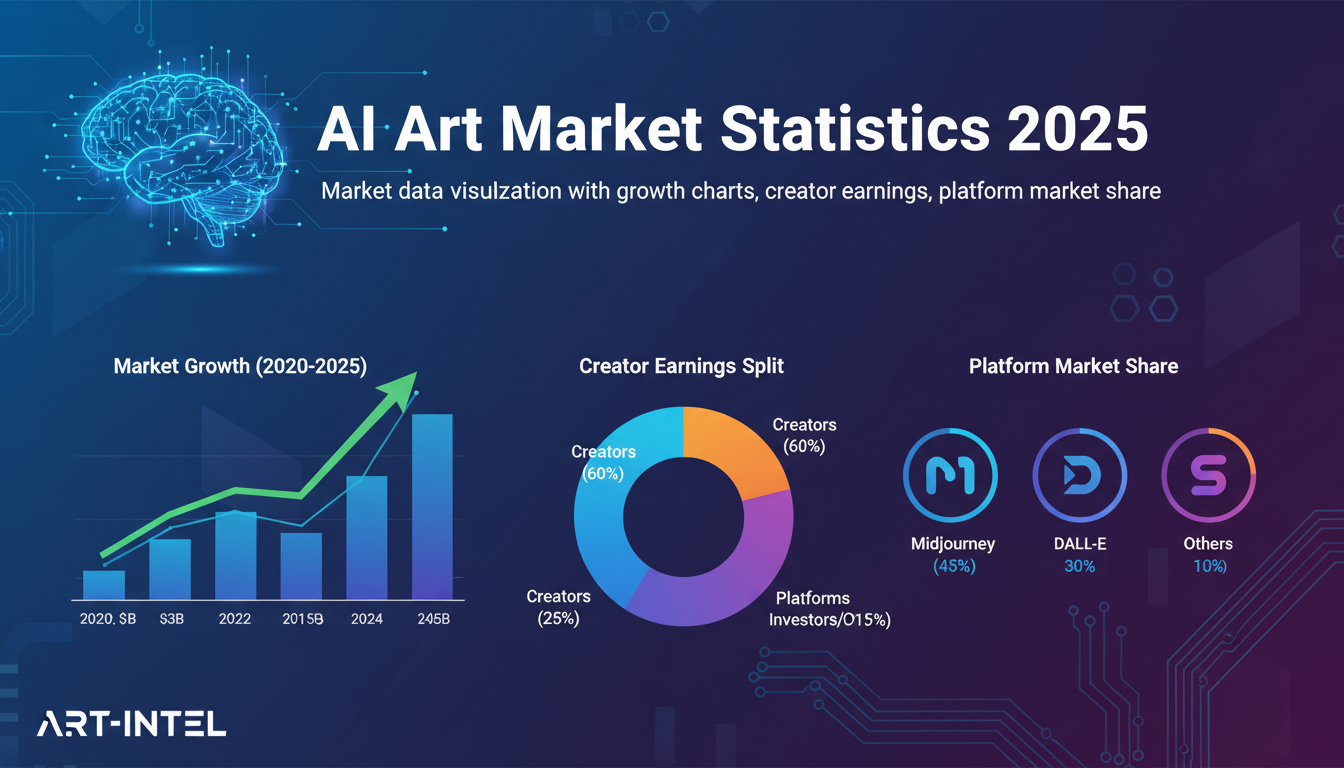
AI Art Market Statistics 2025: Industry Size, Trends, and Growth Projections
Comprehensive AI art market statistics including market size, creator earnings, platform data, and growth projections with 75+ data points.

AI Automation Tools: Transform Your Business Workflows in 2025
Discover the best AI automation tools to transform your business workflows. Learn how to automate repetitive tasks, improve efficiency, and scale operations with AI.
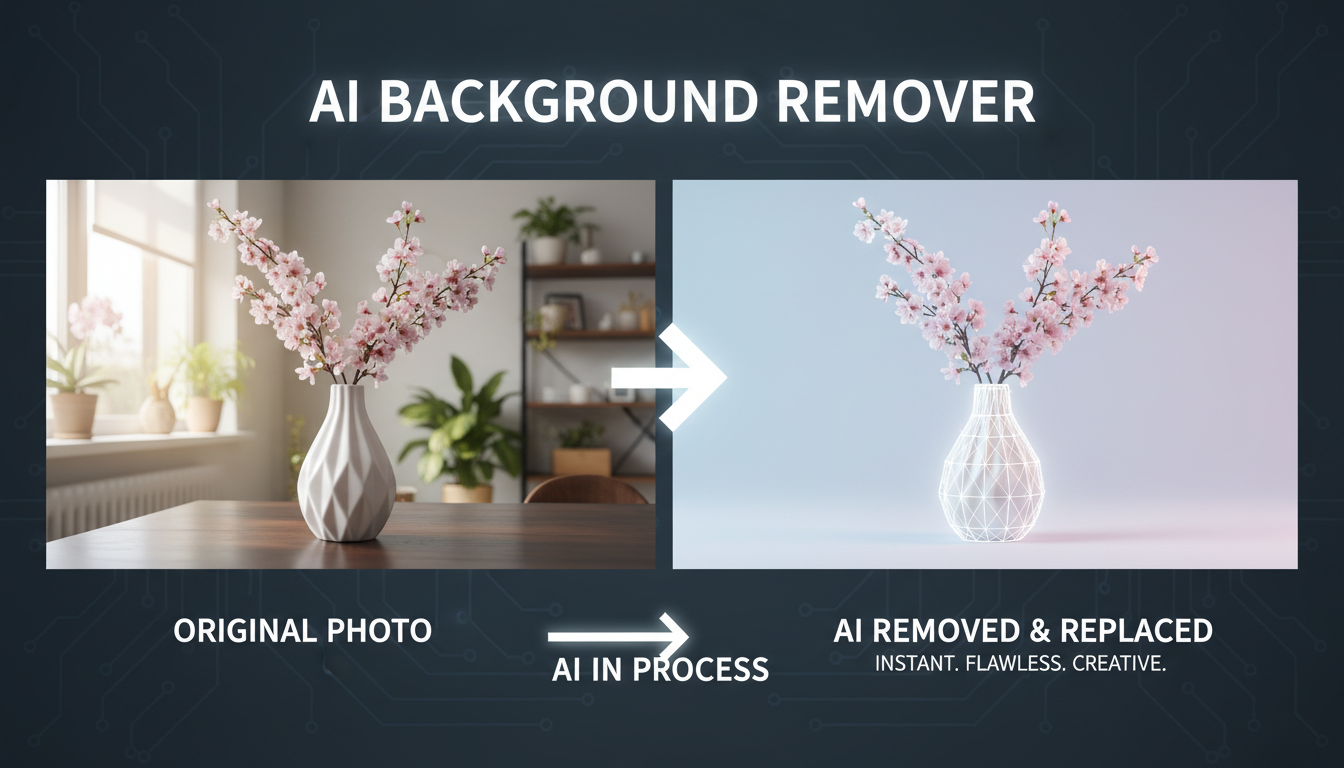
AI Background Remover and Generator: The Complete Guide to Replacing, Creating, and Perfecting Image Backgrounds
Master AI background removal, replacement, and generation. Compare the best tools, learn proven techniques, and transform your product photos and portraits.