Technical Blog SEO: Content Optimization That Drives Traffic
Learn SEO strategies specifically for technical blogs. From keyword research to content structure, drive organic traffic to developer-focused content.

Technical blogs face unique SEO challenges. Developer audiences search differently, technical topics require accuracy, and competition for programming keywords is intense. Generic SEO advice often misses these nuances, leading to wasted effort on strategies that don't work for technical content.
Understanding how developer search behavior differs enables SEO strategies that actually drive traffic. This guide provides technical blog-specific optimization approaches.
Quick Answer: Technical blog SEO combines developer-focused keyword research, comprehensive content depth, and technical performance optimization. Platforms like Astro SEO Blog handle technical optimization automatically while you focus on content quality.
How Developer Search Differs
Search Intent Patterns
Developers search with specific patterns:
Problem-Solution Searches "How to fix [error message]" - Specific problem needing specific answer.
Implementation Searches "[technology] [task] example" - Looking for code to adapt.
Comparison Searches "[option A] vs [option B]" - Decision-making research.
Documentation Searches "[technology] [concept] documentation" - Reference material needs.
Understanding these patterns guides content creation and keyword targeting.
Technical Accuracy Requirements
Developer audiences detect inaccuracy immediately:
- Outdated code examples destroy credibility
- Incorrect explanations earn distrust
- Missing edge cases frustrate readers
- Copy-paste code that doesn't work causes abandonment
Accuracy matters more than keyword density for technical content.
Keyword Research for Technical Blogs
Developer Keyword Discovery
Find keywords developers actually search:
Error Message Mining Common error messages as exact-match keywords. Developers copy-paste errors directly into search.
Stack Overflow Analysis Popular questions indicate search demand. Questions with many views represent traffic opportunities.
Documentation Gap Analysis Topics official docs explain poorly represent opportunities for clearer content.
"How to" Variations "How to [task] in [technology]" generates countless long-tail opportunities.
Keyword Evaluation
Assess keyword viability:
Search Volume Sufficient searches to justify content investment. Technical keywords often have lower volume but higher intent.
Competition Realistic ranking possibility. Newer blogs need lower-competition targets initially.
Intent Match Search intent matches what you'll provide. Mismatched intent causes bounce.
Expertise Fit Topics you can cover accurately and comprehensively.
Content Structure for SEO
Developer-Optimized Structure
Structure content for how developers read:
Quick Answer First Developers want answers fast. Lead with the solution, explain after.
Code Examples Prominent Working code examples are the value. Make them findable and copy-friendly.
Progressive Depth Basic solution first, deeper explanation for those who need it.
Troubleshooting Sections Common problems and solutions. Developers search when stuck.
Technical Content Depth
Comprehensive coverage signals expertise:
Complete Implementations Full working examples, not snippets that require imagination.
Edge Case Coverage Address scenarios that cause real-world problems.
Version Specifics Specify versions. "React" isn't specific enough; "React 18.2" is.
Alternative Approaches Multiple solutions when valid options exist.
Platforms like Astro SEO Blog provide structured content systems that support comprehensive technical articles.
Technical SEO for Developer Blogs
Performance Optimization
Technical audiences expect performance:
Fast Load Times Developers notice slow sites. Performance affects rankings and user experience.
Code Block Rendering Syntax highlighting shouldn't block page render.
Mobile Readability Code must be readable on mobile despite narrow screens.
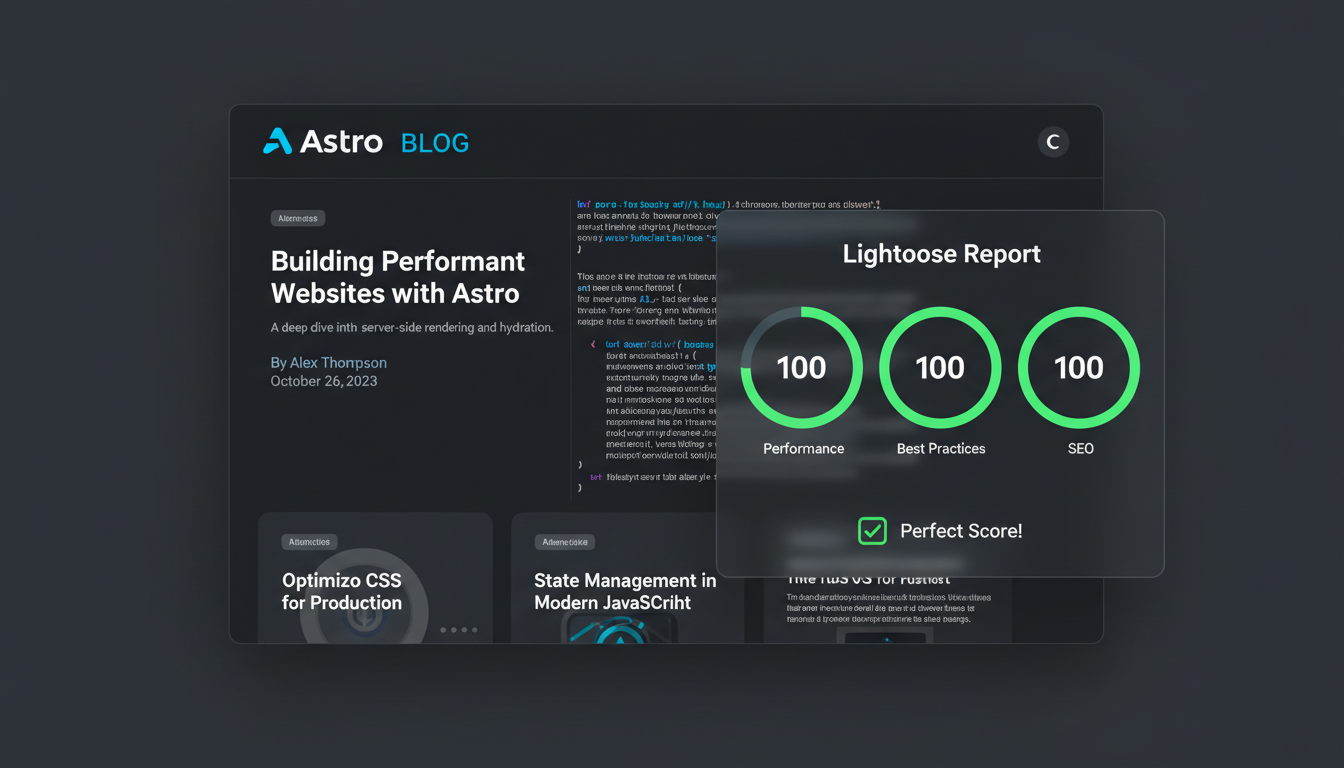
Astro SEO Blog achieves perfect Lighthouse scores, handling technical performance automatically.
Structured Data
Help search engines understand technical content:
Article Schema Proper article markup for rich results.
HowTo Schema Tutorial content with step markup.
Code Markup Proper code block identification.
FAQ Schema Question-answer sections for featured snippets.
Technical Accessibility
Support developer tools and preferences:
Reader Mode Compatibility Content accessible in browser reader modes.
RSS Feeds Developers still use RSS. Provide full-content feeds.
Print Styles Printable pages for offline reference.
Content Maintenance
Keeping Content Current
Technical content has shelf life:
Version Updates Update code examples when libraries update.
Deprecation Notes Mark outdated approaches clearly.
Refresh Cadence Review popular posts quarterly for accuracy.
Redirect Management Handle URL changes properly when restructuring.
Content Pruning
Remove or consolidate underperforming content:
- Outdated content that can't be updated
- Thin content that doesn't provide value
- Duplicate content targeting same keywords
Quality over quantity improves overall site authority.
Link Building for Technical Blogs
Natural Technical Links
Technical content earns links through value:
Definitive Resources Comprehensive guides that become references.
Original Research Benchmarks, comparisons, and data others cite.
Tool and Library Documentation Supplement official docs with practical guides.
Developer Community Participation
Build links through authentic participation:
- Answer questions on Stack Overflow with blog links where appropriate
- Participate in relevant subreddits and forums
- Contribute to open source documentation
- Speak at meetups and conferences
Key Takeaways
Technical blog SEO requires understanding developer search behavior and optimizing accordingly. Focus on accuracy, comprehensive depth, and technical performance.
Platforms like Astro SEO Blog handle technical SEO automatically with perfect performance scores, structured data, and optimized rendering. Focus your effort on creating accurate, valuable content.
Frequently Asked Questions
How is technical blog SEO different from regular blog SEO?
Developer audiences search with specific patterns, require technical accuracy, and expect fast performance. Generic SEO advice often doesn't apply.
What platform is best for technical blog SEO?
Platforms like Astro SEO Blog provide technical optimization automatically. Performance, structured data, and SEO fundamentals are handled so you can focus on content.
How often should I update technical blog content?
Review popular posts quarterly for accuracy. Update code examples when libraries release major versions. Mark clearly outdated content.
Do code examples help or hurt SEO?
Unique, working code examples help significantly. They provide value that earns links and return visits. Copy-paste-ready code serves developer intent.
Make AI images and video in your browser
Characters, video, photo packs. No GPU, no setup. Check your welcome allowance and the displayed cost before generating.
Related Articles

Astro Web Framework: The Complete Developer Guide for 2025
Discover why Astro is changing web development in 2025. Complete guide to building lightning-fast websites with zero JavaScript overhead and modern tooling.

Best AI for Programming in 2025
Comprehensive analysis of the top AI programming models in 2025. Discover why Claude Sonnet 3.5, 4.0, and Opus 4.1 dominate coding benchmarks and...
Best Astro Blog Templates for SEO: Developer-Friendly Options in 2025
Discover the best Astro blog templates optimized for SEO and performance. Compare features, customization options, and deployment strategies for developer blogs.