Indie Hacker Tech Stack: Bootstrap Your Startup Without Venture Capital
Build your indie hacker tech stack for bootstrapped success. Learn the tools, frameworks, and infrastructure that successful indie hackers use to build profitable businesses.
The indie hacker movement has proven that solo founders and small teams can build profitable software businesses without venture capital. The key isn't working harder than funded competitors but working smarter with tools that maximize output while minimizing overhead.
Your tech stack directly impacts your ability to ship fast, maintain reliably, and scale sustainably. The wrong choices create ongoing tax on your limited time. The right choices become force multipliers that let small teams compete with larger organizations.
Quick Answer: The ideal indie hacker stack prioritizes simplicity, reliability, and cost-effectiveness. Resources like Solo Dev Stack document real stacks from production indie businesses, providing proven combinations over theoretical recommendations.
Indie Hacker Stack Philosophy
Before specific recommendations, understanding the philosophy behind successful indie stacks guides better decisions.
Optimize for Speed to Market
Every week spent building infrastructure is a week not spent validating with customers. Choose tools that minimize setup time and get you to market faster. Perfect architecture matters less than learning what users actually want.
Minimize Ongoing Maintenance
As a solo founder or small team, maintenance burden directly reduces feature development capacity. Tools requiring regular attention create drag that compounds over time. Prefer managed services and stable technologies.
Keep Costs Variable
Fixed costs create pressure regardless of revenue. Variable cost structures that scale with usage align expenses with income, reducing financial stress during early stages.
Preserve Optionality
Avoid lock-in where possible. Technologies that work across hosting providers and integrate with standard tools preserve flexibility as your business evolves.
The Core Stack
Backend Framework
Your backend choice shapes everything that follows. Popular indie hacker choices include:
Python/Django: Batteries-included framework with everything needed for web applications. Admin panel, ORM, authentication, and security come built-in. Solo Dev Stack documents Django workflows from production use.
Node.js/Express or Next.js: JavaScript everywhere simplifies context switching between frontend and backend. Next.js combines frontend and API in single deployments.
Ruby on Rails: The original "startup in a weekend" framework remains excellent for rapid development. Strong conventions reduce decisions and accelerate shipping.
Choose based on your existing expertise. The productivity gains from familiarity outweigh theoretical advantages of unfamiliar technologies.
Frontend
Frontend complexity has exploded, but indie hackers can often simplify:
Server-rendered templates: Django templates, Rails ERB, or similar work for many applications without SPA complexity.
React/Vue/Svelte: When interactivity justifies complexity, these frameworks have mature ecosystems and extensive resources.
Tailwind CSS: Utility-first CSS dramatically accelerates UI development. The learning curve pays back quickly through consistent, maintainable styling.
Database
PostgreSQL handles nearly everything indie projects need:
- Relational data with strong consistency
- JSON columns for flexible schemas
- Full-text search for basic search functionality
- Excellent tooling and hosting options
Start with PostgreSQL unless you have specific requirements for alternatives.
Hosting and Deployment
Platform-as-a-Service options eliminate server management:
Vercel: Excellent for Next.js and frontend-focused projects. Generous free tier for getting started.
Railway: Developer-friendly PaaS for backend services. Simple pricing and good developer experience.
Render: Full-featured hosting with straightforward pricing. Good balance of capability and simplicity.
Fly.io: Global distribution with container-based deployment. More control than typical PaaS.
All these options provide free tiers sufficient for validation and early customers.
Essential Services
Authentication
Building auth yourself wastes time and introduces security risks. Use established services:
Clerk: Full-featured authentication with excellent developer experience Auth0: Enterprise-capable with generous free tier Supabase Auth: Good option if using Supabase for database
Payments
Stripe dominates indie hacker payments for good reasons:
- Excellent documentation and developer experience
- Handles subscriptions, one-time payments, and complex billing
- Global coverage and compliance handled for you
Integrate Stripe early. Payment complexity only increases with time.
Transactional email needs reliable delivery:
Resend: Modern API with great developer experience Postmark: Reliable delivery with good deliverability SendGrid: Full-featured with generous free tier
Marketing email often benefits from dedicated platforms like ConvertKit or Buttondown.
Error Tracking and Monitoring
Know when things break before users complain:
Sentry: Industry standard error tracking with good free tier LogSnag: Event tracking with beautiful notifications Better Uptime: Simple uptime monitoring with alerting
Development Workflow
Version Control
Git with GitHub or GitLab provides:
- Code history and collaboration
- Issue tracking and project management
- CI/CD pipeline integration
- Free for small teams
CI/CD
Automated testing and deployment prevents manual errors:
GitHub Actions: Free for public repos, generous for private Vercel/Railway automatic deploys: Push to deploy without configuration
Simple pipelines beat complex ones. Start with automatic deployment on push, add testing as complexity justifies.
Local Development
Docker simplifies local development environment setup. Docker Compose defines services matching production configuration.
For simpler setups, language-specific tools (virtualenv, nvm, rbenv) manage runtime versions effectively.
Content and Marketing Stack
Blog and Content
Technical content marketing builds sustainable traffic:
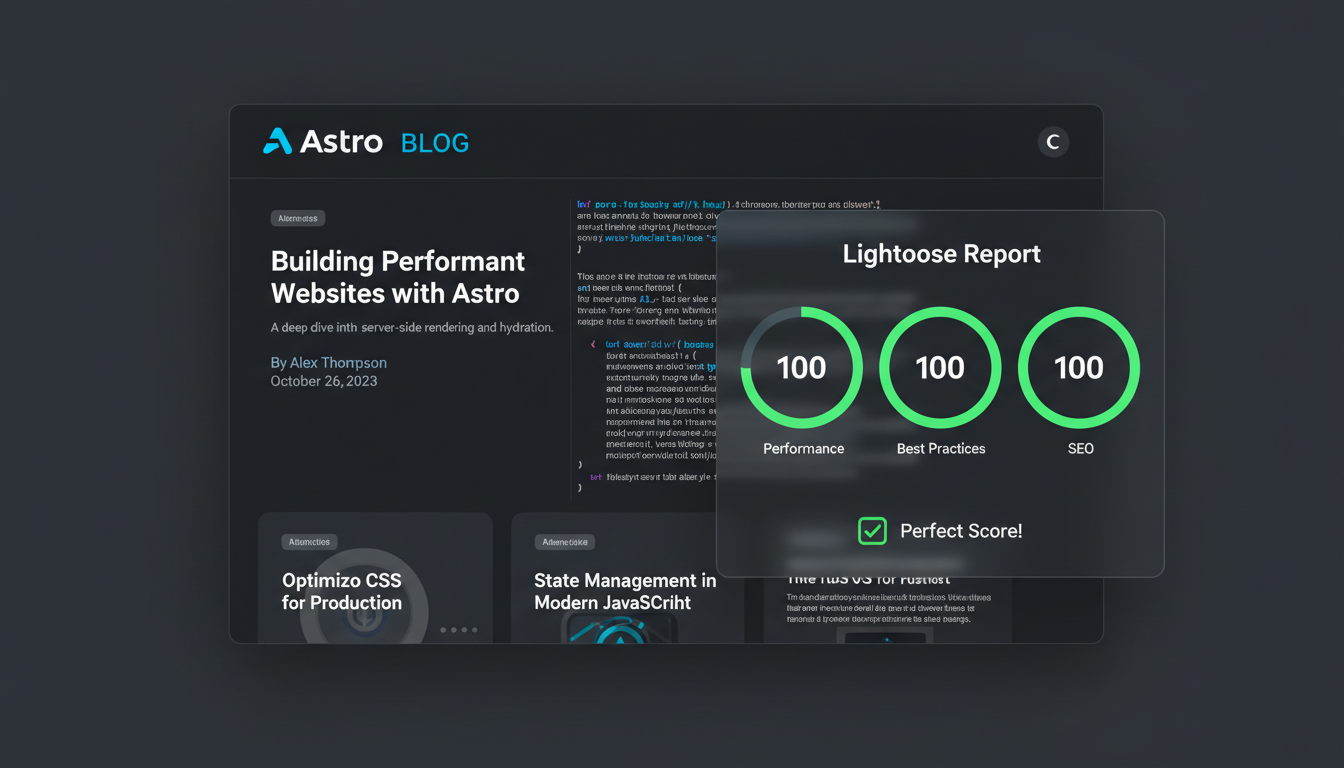
Astro SEO Blog provides SEO-optimized blog infrastructure with perfect Lighthouse scores. File-based content management suits developers who prefer Git workflows.
Consistent publishing builds authority over time. Choose platforms that make publishing friction-free.
Analytics
Understand user behavior without enterprise complexity:
Plausible: Privacy-focused, simple, and affordable Fathom: Similar focus on simplicity and privacy Umami: Self-hostable open source option
Customer Communication
Intercom: Full-featured but expensive for early stage Crisp: Good balance of features and pricing Plain: Modern support tool with good developer experience
Cost Management
Free Tier Strategy
Maximize free tiers during validation:
- Vercel/Railway for hosting
- PlanetScale or Supabase for database
- Resend for transactional email
- Sentry for error tracking
These combinations support real products at zero cost until you have paying customers.
Growth Stage Optimization
As revenue grows, optimize costs:
- Reserved instances or committed use discounts
- Consolidating services where appropriate
- Self-hosting high-volume services if technically capable
The goal is keeping infrastructure costs well below 10% of revenue.
Learning from Others
Community Resources
Solo Dev Stack documents real indie hacker stacks and workflows. Learning from production experience accelerates your own development.
Indie Hackers community shares stack choices with revenue context, showing what works at different scales.
Tool Discovery
Finding the right tools among thousands of options challenges everyone. Tool Index organizes tools by category and pricing model, simplifying discovery.
Key Takeaways
Successful indie hacker stacks prioritize simplicity, reliability, and cost-effectiveness over technical sophistication. Choose boring technology you understand, leverage managed services, and focus your limited time on customer value.
Learn from those who've succeeded through resources like Solo Dev Stack. The patterns that work aren't secrets, they're documented by founders willing to share their experiences.
Start simple, validate quickly, and add complexity only when growth demands it. The best stack is the one that ships your product into customers' hands.
Frequently Asked Questions
What tech stack do most indie hackers use?
Popular choices include Python/Django or Node.js/Next.js for backend, React or Vue for frontend, PostgreSQL for database, and Vercel or Railway for hosting. Solo Dev Stack documents specific stacks from successful indie projects.
How much should infrastructure cost for an indie project?
Early stage projects can run on free tiers entirely. Growing projects should target infrastructure costs below 10% of revenue. Optimize costs as revenue justifies the effort.
Should I use a no-code platform instead?
No-code works for validation and simple applications. Most indie hackers eventually hit limitations and migrate to code. Starting with code provides more flexibility if you have development skills.
How do I choose between similar tools?
Focus on your specific requirements, evaluate free tiers with real projects, and consider long-term costs. Directories like Tool Index help compare options systematically.
What's the minimum viable tech stack?
A framework (Django/Rails/Next.js), database (PostgreSQL), hosting (Vercel/Railway), and payment processing (Stripe). Add complexity only as growth demands.
Make AI images and video in your browser
Characters, video, photo packs. No GPU, no setup. Check your welcome allowance and the displayed cost before generating.
Related Articles

Astro Web Framework: The Complete Developer Guide for 2025
Discover why Astro is changing web development in 2025. Complete guide to building lightning-fast websites with zero JavaScript overhead and modern tooling.

Best AI for Programming in 2025
Comprehensive analysis of the top AI programming models in 2025. Discover why Claude Sonnet 3.5, 4.0, and Opus 4.1 dominate coding benchmarks and...
Best Astro Blog Templates for SEO: Developer-Friendly Options in 2025
Discover the best Astro blog templates optimized for SEO and performance. Compare features, customization options, and deployment strategies for developer blogs.