How to Make Sure Your AI Influencer Succeeds
Learn proven strategies for creating successful AI influencers with character consistency, content planning, monetization tactics, and platform growth techniques.
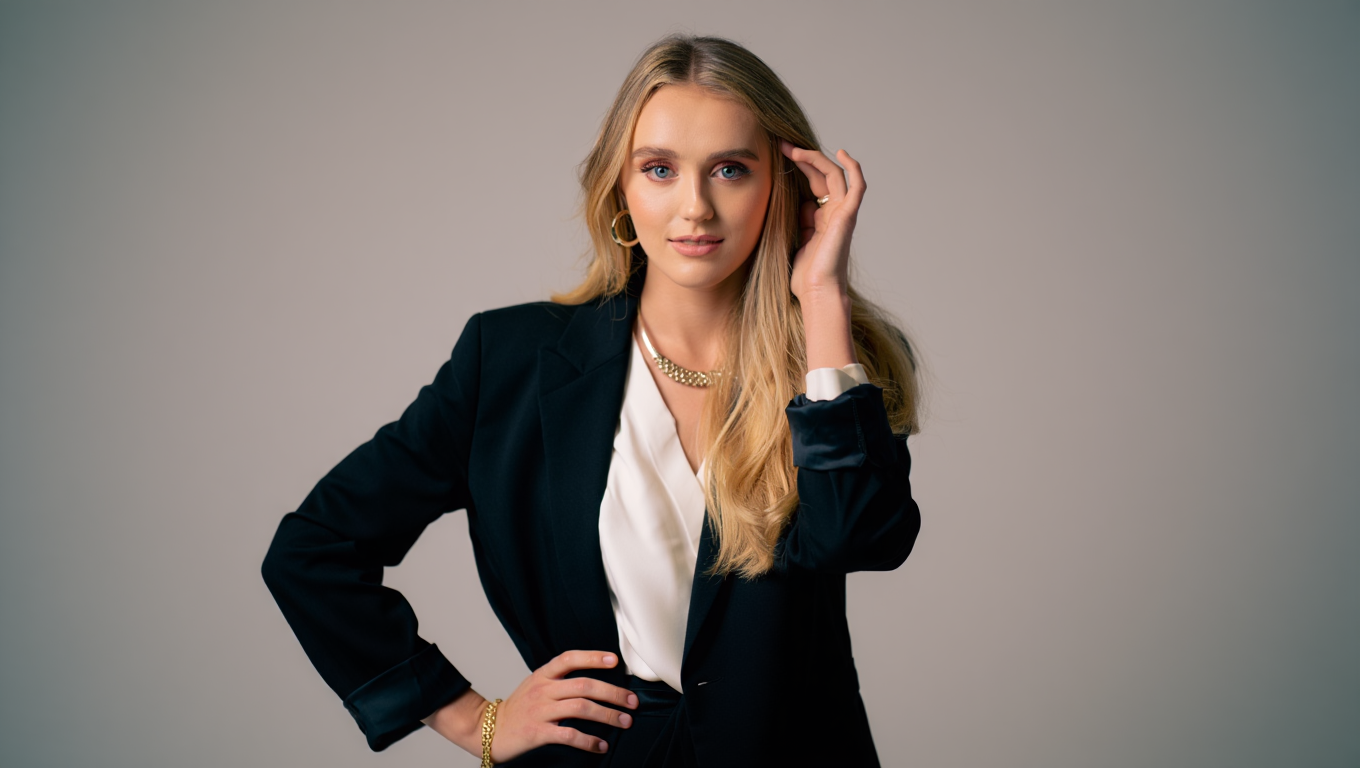
Creating an AI influencer sounds straightforward until you post your first batch of images and realize your character's face looks different in every photo. The followers you hoped would flood in never materialize because your content lacks the consistency and personality that makes real influencers compelling. Building a successful AI influencer requires more than generating attractive images. You need character consistency, strategic content planning, platform-specific tactics, and a clear monetization path.
The most successful AI influencers like Lil Miquela and Imma.gram didn't happen by accident. Their creators invested serious effort into character development, visual consistency, storytelling, and audience engagement. These virtual personalities earn six figures through brand partnerships because they've mastered the fundamentals that make any influencer successful, whether human or AI. Your AI influencer can achieve similar success by following proven strategies for character creation, content production, and platform growth.
Quick Answer: To make your AI influencer succeed, establish consistent character visuals using LoRA training or reference methods, develop a clear personality and backstory, post platform-optimized content on a regular schedule, engage authentically with followers, and monetize through brand partnerships once you build an engaged audience of 10,000+ followers.
- Character consistency requires technical solutions like LoRA training, not just careful prompting
- Successful AI influencers need developed personalities and backstories, not just attractive visuals
- Platform-specific content strategies dramatically outperform generic posting approaches
- Monetization begins around 10,000 engaged followers through micro-influencer partnerships
- Regular posting schedules and audience engagement matter more than perfect content
What Makes an AI Influencer Actually Successful?
Success for an AI influencer looks identical to success for human influencers. Follower count matters, but engagement rate matters more. An AI influencer with 50,000 followers and 8% engagement earns more and attracts better brand deals than one with 200,000 followers and 1% engagement. Brands care about actual influence, which means your AI personality needs to inspire followers to take action.
The most successful AI influencers share several characteristics. They maintain visual consistency where every post clearly shows the same character. They have distinct personalities reflected in captions, stories, and interactions. They post content that provides value beyond attractive photos, whether that's fashion inspiration, lifestyle aspirational content, or entertainment. They engage with their audience through comments and stories, creating a sense of relationship despite being AI.
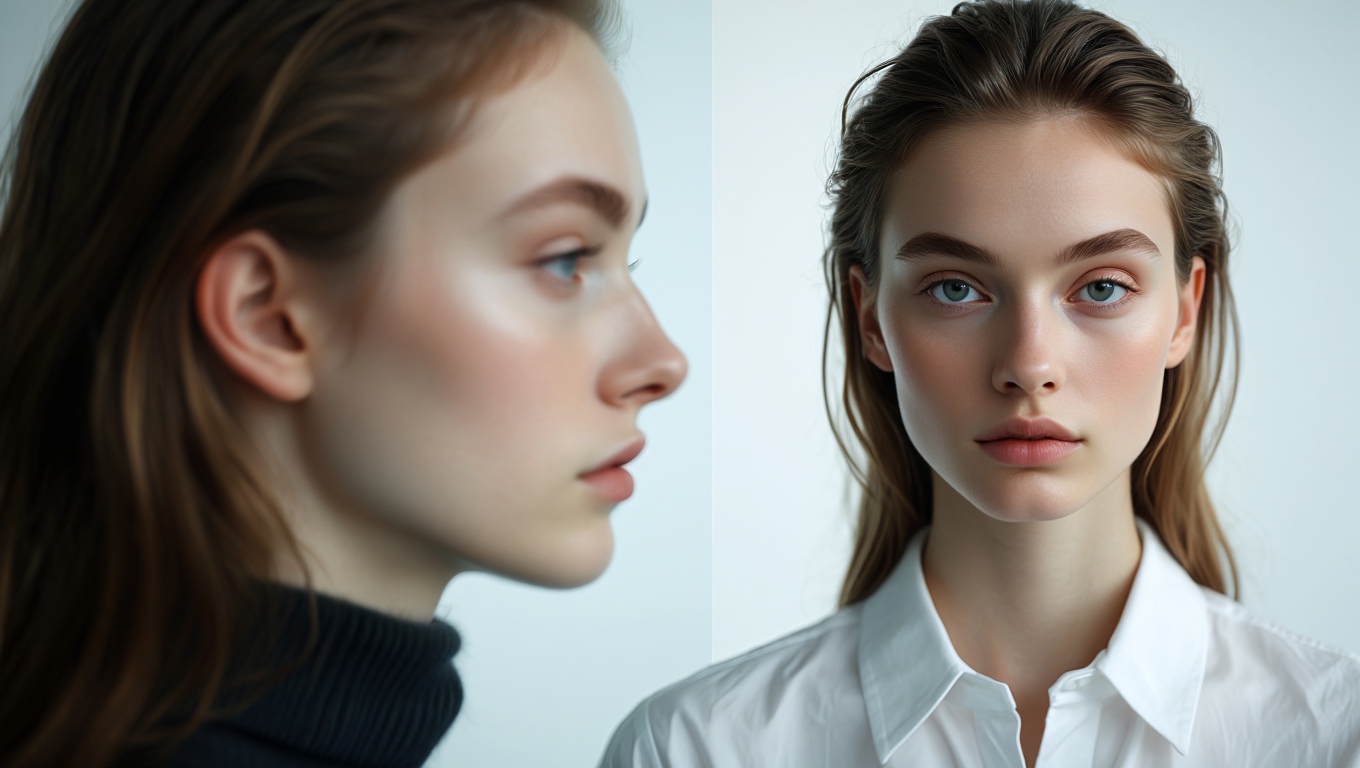
Character consistency stands as the most critical technical challenge. Research on AI character consistency shows that maintaining facial features, body proportions, and style across hundreds of images requires deliberate technical approaches, not just prompt discipline. Without consistency, followers sense something is off even if they can't articulate exactly what bothers them about your content.
How Do You Create Consistent AI Influencer Characters?
Character consistency makes or breaks AI influencer success. Your followers need to instantly recognize your character in every post, just as they recognize human influencers. Achieving this consistency requires moving beyond basic prompting to more advanced technical solutions.
Understanding Consistency Challenges
When you generate images using standard prompting, you're essentially creating variations of a concept rather than depicting a specific individual. Even with detailed prompts describing every facial feature, hair color, and body characteristic, the model generates different people who share those characteristics. This fundamental limitation makes casual AI image generation inadequate for influencer creation.
The consistency problem manifests in subtle ways that undermine credibility. Eyes might be slightly different shapes between images. The nose might be narrower in profile shots. Facial proportions shift enough that followers subconsciously register different people. These inconsistencies create an uncanny valley effect that prevents emotional connection with your character.
LoRA Training for Maximum Consistency
LoRA training creates consistent AI characters by fine-tuning the image generation model specifically on your character. You train the model on 20-50 images of your character from different angles, with different expressions, in different lighting. Once trained, your LoRA produces highly consistent results across new generations.
Training a LoRA requires technical setup but delivers the best consistency results. You'll need training images that show your character from multiple angles with varied expressions. Use a training platform like Kohya, Dreambooth, or cloud-based services that handle the technical complexity. Training takes 30-60 minutes and produces a LoRA file you can use with your preferred generation tools.
The workflow involves generating your initial character images using detailed prompts, selecting the best version, generating variations of that specific character from different angles, then training your LoRA on those images. Most successful AI influencer creators retrain their LoRAs every 2-3 months as they generate more content, continuously refining consistency.
IP-Adapter and Reference Methods
If LoRA training feels too technical, IP-Adapter methods provide easier consistency. These approaches use reference images to guide generation, essentially telling the model "make the face look like this reference." You generate images by providing your reference image plus a new prompt describing the scene, pose, and styling you want.
IP-Adapter techniques work well for poses and scenes where the face is clearly visible. The method struggles with extreme angles, heavy styling changes, or situations where the face is partially obscured. For full influencer workflows, combining IP-Adapter for quick variations with LoRA for challenging shots provides good balance.
Prompt Consistency Techniques
Even with technical consistency tools, prompt discipline improves results. Create a base prompt that describes your character's permanent characteristics using exact phrasing. This base prompt includes specific details like "brown eyes with golden flecks," not just "brown eyes." Include this base in every generation.
Maintain consistency in technical parameters too. Always use the same base model, the same sampling method, and similar CFG scale values. These technical choices affect the final look more than you might expect. Switching between models or dramatically changing generation parameters creates inconsistency that undermines your other efforts.
What Content Strategy Makes AI Influencers Grow?
Consistent character generation solves the technical foundation, but content strategy determines actual growth. Successful AI influencers follow content frameworks that build audiences and drive engagement.
Understanding Platform-Specific Content
Instagram and TikTok require fundamentally different content approaches despite seeming similar. Instagram prioritizes aesthetically cohesive feeds where each post contributes to an overall visual brand. TikTok prioritizes entertainment value and trend participation where individual videos matter more than grid coherence. Trying to use the same content across platforms without adaptation limits growth on both.
For Instagram, develop a visual theme for your AI influencer's feed. This might be consistent color grading, similar compositional styles, or a cohesive aesthetic mood. Fashion AI influencers often use clean, minimalist backgrounds with consistent lighting. Lifestyle AI influencers might maintain consistent color palettes across locations. The feed should feel intentionally curated when viewed as a whole.
For TikTok, focus on entertainment value and trend participation. Your AI influencer needs to participate in trending sounds, challenges, and formats while maintaining character consistency. This requires generating video content or creating video from static images using animation tools. TikTok rewards posting frequency more than Instagram, expecting 3-7 posts per week compared to Instagram's 4-7 posts per week.
Creating Value Beyond Aesthetics
Attractive images get initial attention, but value creation builds lasting audiences. Fashion AI influencers provide styling inspiration showing how to combine pieces, seasonal trend breakdowns, or outfit ideas for specific occasions. Lifestyle AI influencers share aspirational content that inspires followers about travel, experiences, or personal growth.
Successful virtual influencers establish clear niches beyond just existing. Imma focuses on fashion and art, providing fashion commentary and showcasing outfits from real brands. Lil Miquela blends fashion with social commentary, taking positions on issues and creating narrative around her character. Your AI influencer needs similar focus beyond pretty pictures.
Content formats that drive engagement include behind-the-scenes content explaining your creative process (people love knowing about the AI creation), outfit styling posts with multiple looks, day-in-the-life narratives told through carousel posts, and aspirational location content showing your character in desirable settings.
Building Posting Consistency
Algorithm favor consistent posting schedules. Posting at similar times on similar days signals the algorithm that your account actively creates content, increasing your content's distribution. Inconsistent posting with weeks between posts prevents algorithmic momentum.
Successful AI influencer accounts post 4-7 times per week on Instagram and 5-10 times per week on TikTok. This requires content production systems that generate and schedule content in batches. Spend one day generating 20-30 images covering different outfits, locations, and scenes. Then schedule those images throughout the coming weeks with unique captions for each.
Batch content generation dramatically improves efficiency. Generate multiple variations of your character in the same outfit but different poses during a single session. Create seasonal content in advance, generating summer beach content in winter so you can schedule it when relevant. Build a content library with 50+ images ready to deploy, giving flexibility for timely posts while maintaining schedule consistency.
Engagement and Community Building
Successful influencers engage with their audience beyond posting content. Respond to comments on your posts with personality-consistent replies. Use Instagram Stories to share daily content that feels less polished and more spontaneous. Create polls and questions in Stories that encourage participation.
The engagement shows your AI influencer as an active presence rather than just a content feed. Some creators manage this engagement themselves, while others employ community managers who respond according to character guidelines. Either approach works, but ignore engagement at your peril as it directly impacts algorithmic visibility.

Why Does Character Development Matter for AI Influencers?
Attractive visuals attract initial follows, but developed characters retain audiences and enable monetization. Followers connect emotionally with personalities, not just faces. Your AI influencer needs depth that makes people care about their content.
Creating Backstory and Personality
Successful AI influencers have clear backstories that inform their content. Where does your character live? What do they care about? What's their daily life like? These details don't need elaborate fictional narratives, but they should provide context that makes content coherent.
Lil Miquela presents as a Brazilian-American model and musician living in Los Angeles who cares about social justice. This backstory explains why she posts about fashion, music, and social issues. Her personality comes through as confident, socially conscious, and fashion-forward. Every caption and post reinforces these traits.
Your AI influencer needs similar definition. A fashion-focused character might be an aspiring designer who loves vintage shopping and sustainable fashion. A fitness-focused character might be a personal trainer passionate about mental health and balanced wellness. These backstories aren't lies, they're creative framing that makes content coherent and personality consistent.
Voice and Caption Style
Caption style dramatically impacts personality perception. Some AI influencers use casual, friendly captions with frequent emoji use and conversational tone. Others use more polished, thoughtful captions with longer narratives. The style you choose should align with your character's personality and target audience.
Fashion AI influencers often use shorter captions that highlight outfits or styling tips. Lifestyle AI influencers tend toward longer storytelling captions that share experiences or perspectives. Fitness AI influencers might use motivational language and share workout details. Study successful influencers in your niche and adapt their caption strategies while maintaining unique personality.
Create caption templates that maintain consistency while allowing variation. A fashion influencer might use formats like "obsessed with this [item type] - [styling tip] - [question for followers]" or "[outfit description] for [occasion] - [where to find similar pieces]." Templates ensure consistent voice while speeding content creation.
Maintaining Character Consistency Across Platforms
If you operate your AI influencer across multiple platforms, personality must remain consistent while adapting to platform norms. Your character's core traits, values, and speaking style should translate across Instagram, TikTok, and any other platforms. Platform-specific content formats change, but personality remains stable.
This consistency extends to controversial situations or trending topics. How would your character respond to current events in your niche? Having clear character values prevents inconsistent responses that confuse your audience. Some AI influencers take positions on social issues, others remain apolitical focusing purely on their niche. Either approach works, but consistency matters.
How Do You Monetize AI Influencers Successfully?
Monetization transforms your AI influencer from creative project to income stream. Multiple monetization paths exist, each requiring different follower counts and engagement levels.
Brand Partnerships and Sponsored Content
Brand partnerships provide the most lucrative monetization for AI influencers. Once you reach 10,000-50,000 engaged followers, micro-influencer networks and direct brand outreach become viable. Brands pay AI influencers to feature products in posts, Stories, or video content just like human influencers.
Rates for AI influencer sponsored posts typically range from $100-500 per post for accounts with 10,000-50,000 followers, $500-2,000 per post for accounts with 50,000-200,000 followers, and $2,000+ for larger accounts. These rates depend heavily on engagement rate and niche relevance. A 100,000 follower fashion account with 8% engagement commands higher rates than a 200,000 follower generic account with 2% engagement.
Approach brand partnerships professionally. Create a media kit showing your follower count, engagement statistics, audience demographics, and previous brand partnerships. Reach out to brands directly through their marketing departments, or join influencer marketing platforms that connect brands with creators. Platforms like AspireIQ, Heartbeat, and Tribe accept AI influencer accounts.
Affiliate Marketing and Product Links
Affiliate marketing provides passive income from product recommendations. Share affiliate links to products your AI influencer uses or recommends, earning commission on purchases. This works particularly well for fashion AI influencers linking to clothing and accessories, or lifestyle AI influencers linking to products they feature.
Amazon Associates, RewardStyle/LTK, and ShareASale provide affiliate programs across product categories. Fashion AI influencers often use LTK, which allows followers to shop looks directly. Typical affiliate commission rates range from 5-20% depending on product category and program.
Be transparent about affiliate relationships. Include hashtags like #ad, #affiliate, or #commission to comply with FTC guidelines. Transparency actually builds trust as your audience appreciates honesty about monetization.
Digital Products and Merchandise
Selling digital products or merchandise creates direct revenue without relying on brands. Digital products might include preset packs for photo editing, prompt guides for AI generation, or content templates your audience can use. Physical merchandise might include clothing, accessories, or art prints featuring your AI influencer.
This monetization path requires larger, more engaged audiences to generate meaningful revenue. Accounts with 50,000+ followers start seeing viable merchandise sales. Print-on-demand services like Printful or Teespring eliminate upfront inventory costs, producing items only when ordered.
Platform Monetization Features
Instagram and TikTok offer creator monetization programs once you meet requirements. Instagram's subscription feature lets followers pay monthly for exclusive content. TikTok's Creator Fund pays based on video views. These platform features provide supplemental income rather than primary revenue for most AI influencers.
Requirements for platform monetization typically include minimum follower counts, consistent posting, and content guideline compliance. TikTok Creator Fund requires 10,000 followers and 100,000 video views in the last 30 days. Instagram subscriptions require no minimum but work best with engaged audiences willing to pay for exclusive content.
What Are Common AI Influencer Mistakes to Avoid?
Learning from others' mistakes accelerates your success. These common pitfalls undermine AI influencer growth.
Inconsistent Character Appearance
The single biggest mistake is accepting inconsistent character appearance. Some creators think "close enough" suffices, hoping followers won't notice subtle changes. Followers absolutely notice, even subconsciously. Inconsistency prevents emotional connection and makes your character feel less real.
Invest in proper consistency solutions from the start. Whether that's LoRA training, IP-Adapter workflows, or using platforms like Apatero.com that handle consistency automatically, don't skip this foundation. Trying to build an audience with inconsistent character visuals wastes time and effort.
Over-Focusing on Aesthetics Over Personality
Beautiful images attract initial attention, but personality drives follower retention and engagement. AI influencers that only post attractive photos without developed personality or value creation see high unfollow rates. Followers get bored quickly when there's nothing beyond surface aesthetics.
Develop personality through captions, Stories, and engagement from day one. Share perspectives, respond to comments with personality, take positions on topics relevant to your niche. The goal is making followers care about your character, not just admire images.
Inconsistent Posting Schedules
Posting sporadically when you feel inspired kills algorithmic momentum. Social media algorithms reward consistent activity, showing your content to more followers when you post regularly. Long gaps between posts make the algorithm classify your account as inactive, reducing future post visibility.
Establish a realistic posting schedule you can maintain long-term. Better to commit to 3 posts per week and maintain that schedule than post daily for two weeks then disappear for a month. Batch content generation helps maintain consistency even during busy periods.
Ignoring Platform-Specific Best Practices
Using identical content and strategies across platforms limits growth potential. Instagram's square grid layout, TikTok's vertical video format, and each platform's unique algorithm require adapted approaches. AI influencers that treat all platforms identically underperform competitors who optimize for each platform.
Learn platform-specific best practices for your niche. Instagram fashion content emphasizes aesthetic cohesion and carousel posts showing multiple angles. TikTok fashion content emphasizes transition videos, hauls, and styling tutorials. Adapt your AI influencer's content to each platform's strengths.
Neglecting Engagement and Community
Some creators focus entirely on posting content while ignoring comments, messages, and community interaction. This approach misunderstands influencer success as content quality alone. Engagement directly impacts algorithmic visibility and follower loyalty.
Schedule time for engagement alongside content creation. Respond to comments within the first hour of posting when possible. Use Instagram Stories to ask questions and create polls. Reply to DMs from followers when appropriate. These interactions signal active presence to both algorithms and followers.
Unrealistic Monetization Expectations
New AI influencer creators sometimes expect immediate monetization with small follower counts. Realistically, meaningful brand partnership opportunities begin around 10,000 engaged followers, with rates increasing substantially at 50,000+ followers. Building to these milestones takes months of consistent effort.
Approach AI influencer creation with a 6-12 month timeline before expecting significant income. Use the early months to perfect your character consistency, develop personality, and build content production systems. Monetization becomes easier once you've established a growing, engaged audience.
How Can Apatero Accelerate Your AI Influencer Success?
Building a successful AI influencer requires consistent content production, character consistency, and efficient workflows. Apatero.com streamlines every aspect of this process, letting you focus on strategy and engagement rather than technical complexity.
The platform handles character consistency automatically through integrated LoRA management and reference systems. Instead of managing multiple tools and technical parameters, you maintain perfect character consistency through simple workflows. Generate dozens of on-brand images in minutes, create variations for different outfits or locations, and ensure every image clearly shows your established character.
Content production speed dramatically impacts posting consistency and monetization capacity. When brands approach you for sponsored content, fast turnaround times let you accept more partnerships. When you need 20 images for next week's posting schedule, efficient generation prevents bottlenecks. Apatero's workflow optimization means you spend less time on technical generation details and more time on strategy, caption writing, and engagement.
Professional results without professional-level technical knowledge makes Apatero.com valuable for creators focused on building audiences rather than mastering AI generation tools. The platform handles technical complexity while giving you creative control over your AI influencer's content direction.
Frequently Asked Questions
How long does it take to build a successful AI influencer?
Building a successful AI influencer with 10,000+ engaged followers typically takes 6-12 months of consistent posting and engagement. Initial growth is slow while you establish character consistency and find your content rhythm. Growth accelerates once you reach 5,000-10,000 followers as the algorithm begins recommending your content more widely. Accounts posting daily can achieve 10,000 followers in 3-6 months, while accounts posting 3-4 times weekly might take 9-12 months.
Do you need to disclose that your influencer is AI-generated?
Disclosure requirements vary by platform and region, but transparency is recommended from legal and ethical perspectives. Instagram and TikTok don't currently require AI disclosure, but FTC guidelines suggest transparency about altered images and AI content. Most successful AI influencers disclose their AI nature in their bio using phrases like "Digital Model" or "Virtual Influencer," which builds trust rather than undermining it. Followers appreciate honesty and many find the AI creation process interesting.
What's the best platform for launching an AI influencer?
Instagram remains the best platform for launching AI influencers, particularly fashion and lifestyle characters. The platform's emphasis on visual content and established influencer culture makes it natural for AI characters. TikTok works well as a secondary platform, especially if you can create video content showing your character in animated sequences. Start with one platform, establish consistent posting, then expand to additional platforms once you've perfected your workflow.
Can AI influencers earn as much as human influencers?
Successful AI influencers earn comparable rates to human micro and mid-tier influencers in the same follower range. An AI influencer with 100,000 engaged followers commands similar sponsored post rates ($1,000-3,000) as a human influencer with equivalent engagement. Top AI influencers like Lil Miquela earn six figures annually through brand partnerships. However, AI influencers face more skepticism from some brands, so conversion rates for partnership pitches may be lower initially.
How do you handle character aging and evolution?
Most AI influencer creators keep their characters the same age indefinitely, similar to animated characters. Your character can evolve their style, interests, and personality over time while maintaining consistent age and core appearance. If you want to show aging or dramatic character evolution, plan this as a story arc with gradual changes over months rather than abrupt shifts. Some creators generate secondary characters in their universe, allowing new personalities without abandoning their established character.
What tools do I need to create an AI influencer?
Minimum requirements include an image generation tool that supports character consistency, image editing software for minor adjustments, and scheduling tools for consistent posting. Technical approaches range from free options like Stable Diffusion with LoRA training to platforms like Apatero.com that handle the entire workflow. Budget $0-50 monthly for DIY approaches or $20-100 monthly for streamlined platforms. Additional tools like Canva for graphics and Later or Buffer for scheduling improve efficiency but aren't strictly required.
How important is video content for AI influencers?
Video content increasingly drives engagement on Instagram Reels and TikTok, but static image influencers still succeed on Instagram's main feed. If you can create video content, it accelerates growth significantly on platforms prioritizing video. If video content creation feels too complex initially, focus on perfecting static content on Instagram, then expand to video once your workflow is efficient. Some AI influencer creators use animation tools to create simple video from static images, providing a middle path.
What follower count is needed to start earning money?
Micro-influencer partnerships begin around 5,000-10,000 engaged followers, though rates are modest at this level. Meaningful income potential starts at 10,000-25,000 followers, where sponsored posts earn $200-500. Rates increase significantly beyond 50,000 followers where established influencer status brings $1,000+ per sponsored post. Affiliate marketing can start at any follower count but generates meaningful income only with 10,000+ followers. Focus on building engaged audiences rather than inflated follower counts as engagement rate determines earning potential.
How do you deal with negative comments about AI influencers?
Some social media users criticize AI influencers as deceptive or contributing to unrealistic beauty standards. The best response is transparency in your bio, ignoring trolls who aren't your target audience, and focusing on the followers who appreciate your content. Most negative comments come from people who wouldn't follow regardless. Your target audience consists of people who find AI influencer content interesting or inspiring. Develop thick skin about criticism and focus on your supportive community.
Should you focus on one niche or multiple topics?
Successful influencers, whether human or AI, perform better with clear niche focus. Fashion-focused accounts grow faster than generic lifestyle accounts trying to cover fashion, travel, fitness, and food simultaneously. Choose one primary niche for your AI influencer with one or two complementary secondary topics. A fashion AI influencer might also cover beauty and lifestyle content, but fashion remains the clear focus. Niche focus makes your content relevant to specific audiences rather than trying to appeal to everyone.
Conclusion
Creating a successful AI influencer requires more than generating attractive images. You need character consistency through technical solutions like LoRA training or platforms designed for influencer creation. You need developed personality and backstory that makes followers care beyond surface aesthetics. You need platform-specific content strategies that optimize for each social media algorithm. You need consistent posting schedules and genuine engagement that builds community.
The path to AI influencer success takes months of consistent effort before seeing significant results. Focus on perfecting your character consistency first, as this foundation determines whether everything else works. Develop clear personality through captions, Stories, and engagement patterns. Post consistently on a schedule you can maintain long-term. Provide value beyond pretty pictures through styling tips, inspiration, or entertainment.
Monetization follows naturally once you've built an engaged audience of 10,000+ followers. Brand partnerships, affiliate marketing, and digital products all become viable revenue streams. The AI influencers earning substantial income didn't get there through shortcuts or luck. They invested consistent effort into content quality, posting consistency, and audience building.
Your AI influencer success depends on treating this as a serious creative project rather than a quick experiment. The tools and platforms exist to make character consistency and content production manageable. Platforms like Apatero.com eliminate technical barriers that previously required advanced AI knowledge. The strategy, personality development, and consistent execution remain your responsibility. Start with character consistency, develop clear personality, post consistently, and engage authentically. Success follows these fundamentals executed well over time.
Reuse a character reference
Save a character as a Soul and put them in any scene, image or video, without retraining anything. Check your welcome allowance and the displayed cost before generating.
Related Articles
5 Proven AI Influencer Niches That Actually Make Money in 2025
Discover the most profitable niches for AI influencers in 2025. Real data on monetization potential, audience engagement, and growth strategies for virtual content creators.

AI Background Replacement: Professional Guide 2025
Master AI background replacement for professional results. Learn rembg, BiRefNet, and ComfyUI workflows for smooth background removal and replacement.
AI Character Consistency: How to Maintain Virtual Persona Identity Across Content
Learn techniques for maintaining AI character consistency across hundreds of images. Master the art of creating recognizable virtual personas with consistent visual identity.