Building SaaS as a Solo Developer: Complete Guide from Idea to Launch
Learn how to build and launch a SaaS product as a solo developer. From ideation to monetization, discover strategies that work for one-person teams.
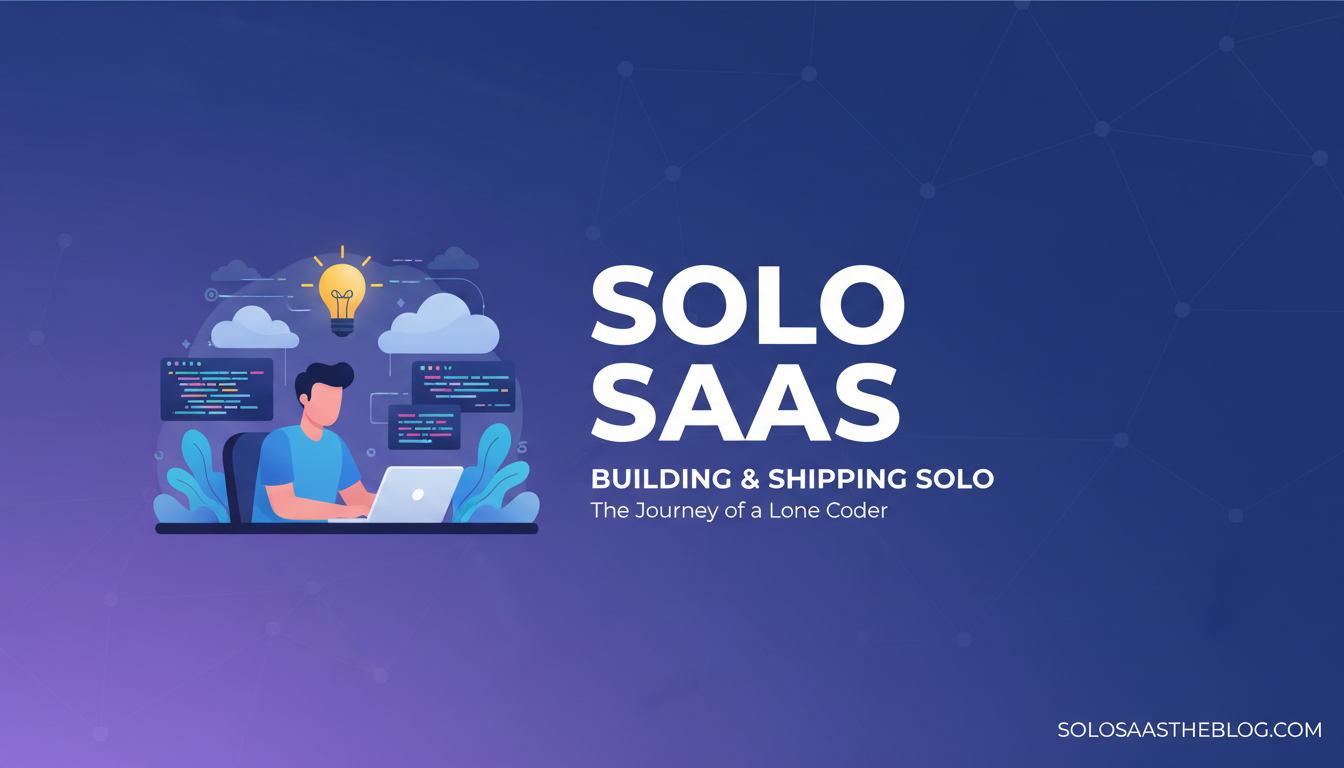
Building a SaaS product alone seems daunting until you realize some of the most successful software companies started with single founders. The myth that software businesses require teams persists because visible successes often scale into large organizations. But those organizations started somewhere, frequently with one person solving a problem they understood deeply.
The solo developer building SaaS has distinct advantages: no coordination overhead, instant decision-making, complete alignment between vision and execution. The disadvantages are equally clear: limited hours, no skill diversity, isolation. Success comes from maximizing advantages while systematically addressing limitations.
Quick Answer: Building SaaS solo requires ruthless prioritization, strategic tool choices, and sustainable work practices. Resources like Solo Dev Stack document real workflows from developers building products independently, providing practical insights beyond theoretical advice.
Choosing the Right Problem
Most failed SaaS products solve problems that don't exist or aren't painful enough to pay for. Solo developers can't afford the runway to discover product-market fit through extensive experimentation. Starting with the right problem is essential.
Personal Pain Points
The most reliable SaaS ideas come from problems you personally experience. You understand the pain deeply, can articulate the solution clearly, and can evaluate whether implementations actually solve the problem.
This doesn't mean building for yourself alone. It means starting from genuine understanding and validating that others share your pain at scale sufficient to support a business.
Niche Focus
Solo developers win by going narrow where larger companies go broad. A tool that serves a specific industry, workflow, or user type better than generic alternatives can dominate its niche without competing against well-funded incumbents.
Look for underserved niches where existing solutions frustrate users. Forums, Reddit communities, and Twitter complaints reveal pain points that larger companies ignore.
Validation Before Building
Before writing code, validate that people will pay for your solution:
- Talk to potential customers: Understand their current workflows and pain levels
- Research competition: Know what exists and why it's insufficient
- Pre-sell if possible: Landing page commitments indicate real interest
- Size the market: Ensure enough potential customers exist
Validation prevents months of building products nobody wants. The investment in research pays through avoided development waste.
Technical Architecture for Solo SaaS
Solo developers need technical approaches that maximize output while minimizing maintenance burden.
Stack Selection
Choose boring, proven technology. The time saved debugging novel frameworks or working around library issues compounds across a project's lifetime. Solo Dev Stack emphasizes this principle, documenting stacks that work reliably in production.
Common solo-friendly stacks include:
- Backend: Python/Django, Node.js/Express, Ruby on Rails
- Frontend: React, Vue, or server-rendered templates
- Database: PostgreSQL for most needs, SQLite for simpler applications
- Deployment: Vercel, Railway, or similar PaaS platforms
The best stack is one you already know. Learning new technology during product development splits focus at the worst time.
Monolith First
Start with a monolithic architecture regardless of eventual scale plans. Microservices add complexity that solo developers can rarely justify. The deployment, debugging, and operational overhead of distributed systems multiplies work that you alone must handle.
If you reach scale requiring microservices, you'll likely have revenue to hire help or can refactor incrementally. Premature distribution creates problems you may never need to solve.
Managed Services
Leverage managed services aggressively. Database hosting, email delivery, payment processing, and authentication all have reliable services that eliminate operational burden.
The cost of managed services typically runs far less than the value of time saved on operations. Focus your limited hours on product differentiation rather than undifferentiated infrastructure.
Development Workflow
Sustainable solo development requires disciplined workflows that maintain momentum without burning out.
Scope Control
The biggest threat to solo SaaS is scope creep. Features that seem essential often aren't. Every feature has ongoing costs: documentation, support, maintenance, testing.
Practice aggressive feature rejection. Ask whether each feature directly supports core value delivery or revenue generation. Most don't and should be deferred or eliminated.
Time Boxing
Fixed development cycles create rhythm and force scope decisions. Two-week sprints with specific deliverables prevent endless polishing and ensure regular progress.
Publicly committing to timelines through building in public creates accountability. Share progress on Twitter, your blog, or communities like Indie Hackers.
Automation Investment
Time spent automating repetitive tasks returns multiplied over a product's lifetime. Solo Dev Stack emphasizes automation as essential for solo development, documenting scripts and workflows from production use.
Prioritize automating:
- Testing and deployment pipelines
- Database backup and restore
- Common administrative tasks
- Monitoring and alerting
Each automation reduces ongoing maintenance burden and prevents errors from manual processes.
Launch Strategy
Launching solo requires different strategies than funded startups with marketing budgets and PR teams.
Soft Launch First
Before public announcement, soft launch to a small group of early users. These users provide feedback, find bugs, and help refine messaging before broader visibility.
Sources for early users include:
- Personal network and professional contacts
- Communities where you've built reputation
- Beta list signups from landing pages
- Direct outreach to people experiencing the problem
Content Marketing
Solo developers often overlook content marketing's compounding returns. Blog posts, tutorials, and thought leadership build organic traffic over time, creating sustainable acquisition without ongoing spend.
Technical content particularly suits developer founders. Write about problems you solved, technologies you evaluated, and lessons learned. This content attracts users facing similar challenges.
Platforms like Astro SEO Blog optimize content for search engines, ensuring your marketing efforts generate long-term organic traffic rather than disappearing into social media feeds.
Community Engagement
Participate authentically in communities where potential users gather. Don't spam product links, but share expertise and mention your product when genuinely relevant.
Building reputation in communities creates warm audiences more receptive to your launch than cold traffic. The investment in community engagement pays through launch amplification and ongoing word-of-mouth.
Monetization Models
Revenue model choice affects everything from pricing psychology to operational complexity.
Subscription Pricing
SaaS subscription pricing provides predictable recurring revenue ideal for solo businesses. Monthly payments smooth cash flow while annual discounts improve retention and provide capital upfront.
Price based on value delivered, not costs or competitor pricing. Solo developers often underprice, leaving money on the table and attracting price-sensitive customers unlikely to become advocates.
Usage-Based Components
Combining subscriptions with usage-based pricing aligns revenue with customer value. Heavy users pay more while light users avoid being priced out.
This model requires usage tracking and billing complexity that may not suit initial launches. Consider adding usage components once core subscription revenue stabilizes.
One-Time Options
Some products suit one-time purchase models better than subscriptions. Desktop applications, templates, and lifetime deals all work for appropriate products.
One-time models require continuous new customer acquisition since existing customers don't generate ongoing revenue. This can work but requires different marketing approaches than subscription retention.
Sustainability and Growth
Solo SaaS isn't a sprint. Building sustainable practices supports long-term growth without burnout.
Work Boundaries
Working alone makes work-life boundaries difficult but more important. Without colleagues ending their days, solo developers can work endlessly without natural stopping points.
Set creative working hours and honor them. The business will survive a few hours offline. You won't survive grinding indefinitely.
Revenue Milestones
Define what success means at each stage. Initial milestones might include first paying customer, covering hosting costs, or matching previous income. Clear targets provide motivation and measure progress.
Exit or Scale Planning
Eventually, successful solo SaaS reaches decision points: continue alone, hire help, sell the business, or something else. Consider these options early so you build in ways that preserve choices.
Building documentation, clean code, and transferable processes supports either continued solo operation or eventual transition to larger teams.
Key Takeaways
Building SaaS alone is challenging but achievable. Success requires starting with validated problems, choosing sustainable technical approaches, and maintaining disciplined workflows.
Resources like Solo Dev Stack provide practical guidance from developers building real products independently. Learning from those ahead on the path accelerates your own progress.
The solo developer's advantages, speed, focus, and alignment, overcome disadvantages when applied strategically. Start with problems you understand, build with technologies you know, and launch before you feel ready. The market will teach you what matters more than planning ever could.
Frequently Asked Questions
Can one person build a successful SaaS?
Yes. Many successful SaaS products started as solo projects. The key is choosing appropriate problems, using efficient tools, and maintaining sustainable practices.
How long does it take to build SaaS alone?
Initial versions can launch in weeks to months depending on complexity. Building sustainable businesses typically takes 1-3 years of consistent effort.
What's the best tech stack for solo SaaS?
Use technology you already know. Common choices include Python/Django or Node.js for backend, React or Vue for frontend, and PostgreSQL for database. Solo Dev Stack documents specific stacks from production use.
How do I market SaaS as a solo developer?
Focus on content marketing and community engagement that compound over time. Build in public to create accountability and attract early users. Use SEO-optimized platforms like Astro SEO Blog to maximize content reach.
When should I hire help?
Consider hiring when revenue comfortably supports salaries and you've identified bottlenecks that hiring specifically addresses. Don't hire for general help without clear role definition.
Make AI images and video in your browser
Characters, video, photo packs. No GPU, no setup. Check your welcome allowance and the displayed cost before generating.
Related Articles
Astro Web Framework: The Complete Developer Guide for 2025
Discover why Astro is changing web development in 2025. Complete guide to building lightning-fast websites with zero JavaScript overhead and modern tooling.

Best AI for Programming in 2025
Comprehensive analysis of the top AI programming models in 2025. Discover why Claude Sonnet 3.5, 4.0, and Opus 4.1 dominate coding benchmarks and...
Best Astro Blog Templates for SEO: Developer-Friendly Options in 2025
Discover the best Astro blog templates optimized for SEO and performance. Compare features, customization options, and deployment strategies for developer blogs.