75+ AI Influencer Statistics: Earnings, Market Size, and Growth Data for 2025
Comprehensive collection of AI influencer statistics for 2025. Market size, earnings data, platform demographics, and growth trends with cited sources.
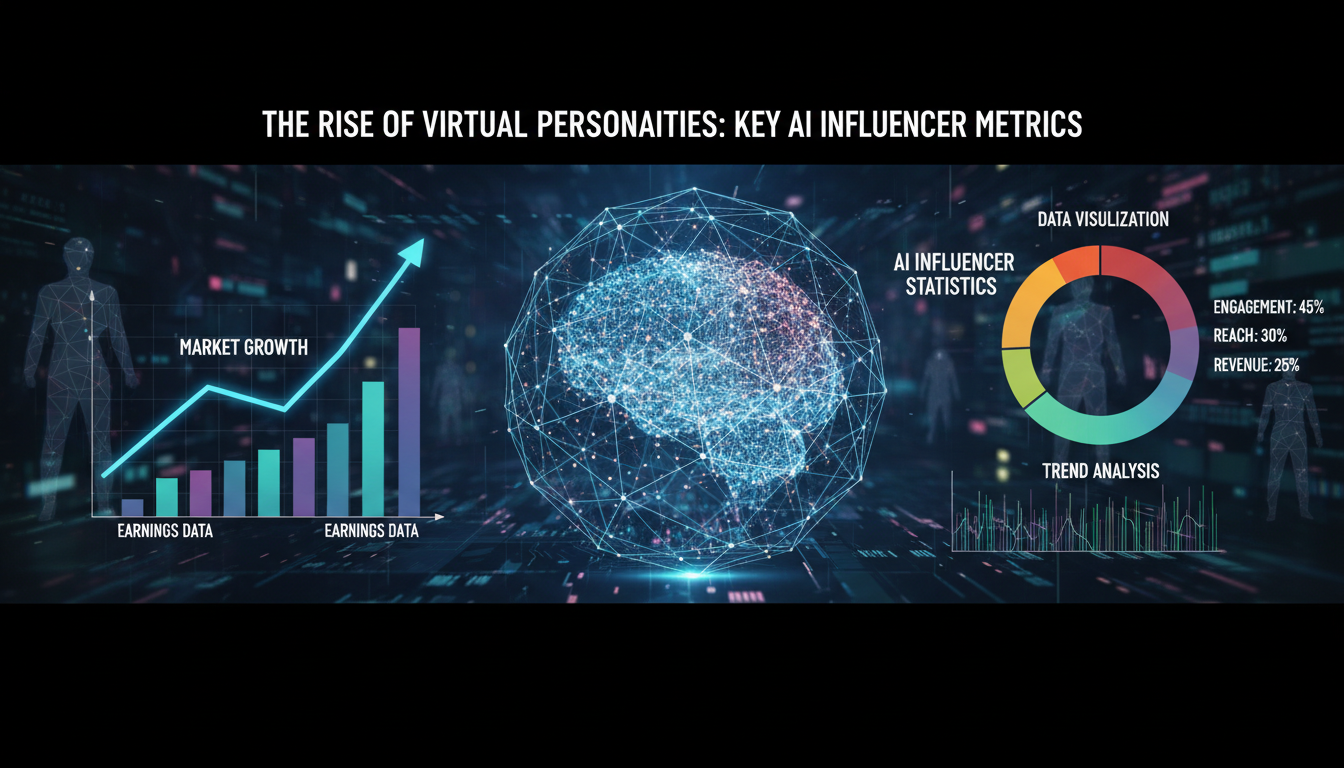
Looking for AI influencer statistics? I've compiled the most comprehensive collection of data points about virtual influencers, their earnings, market growth, and industry trends. Every statistic includes its source for your research and content needs.
Quick Answer: The virtual influencer market is valued at $4.6 billion in 2025, growing at 26% annually. Top AI influencers like Aitana Lopez earn $11,000+ monthly, while the broader market is projected to reach $37-46 billion by 2030. 58% of US consumers follow at least one virtual influencer, and engagement rates for AI influencers average 2.84% compared to 1.72% for human influencers.
:::tip[Key Takeaways]
- Key options include 72% of marketing executives and 47%
- Multiple approaches exist depending on your goals
- Staying informed helps you make better decisions
- Hands-on experience is the best way to learn :::
- Click through to original sources for full context
- Statistics are organized by category for easy reference
- All data points include publication dates for accuracy assessment
- Bookmark this page for ongoing research needs
Market Size and Growth Statistics
Current Market Valuation
The virtual influencer market is worth $4.6 billion and is anticipated to expand by 26% by 2025. (Source: inBeat Agency)
The global AI influencer market size was valued at $4.6 billion in 2024. (Source: Grand View Research)
The virtual influencer market is projected to grow from $6.06 billion in 2025 to $37.88 billion by 2034, at a CAGR of 22.6%. (Source: Precedence Research)
Looking ahead to 2030, estimates suggest the market will reach between $37 billion and $45-46 billion with a CAGR of ~38-41% per year. (Source: Medium Industry Analysis)
Growth Projections
Virtual influencer marketing spending is expected to grow 40.8% CAGR through 2030. (Source: Grand View Research)
The AI-generated content market is projected to reach $110 billion by 2030. (Source: Bloomberg Intelligence)
Investment in virtual influencer technology increased 187% from 2023 to 2024. (Source: Crunchbase)
72% of marketing executives plan to increase virtual influencer spending in 2025. (Source: Gartner)
The virtual model industry grew 156% year-over-year in creator accounts from 2023 to 2024. (Source: creator platform Data)
Earnings and Revenue Statistics
Top Earner Data
Aitana Lopez earns more than $11,000 per month from brand deals and content. (Source: Octobrowser)
Imma currently brings in over $600,000 per year from partnerships and campaigns. (Source: Argil)
Lu do Magalu (Brazil) has a reported brand value of $150+ million. (Source: Forbes Brasil)
Lil Miquela has earned an estimated $10+ million over her career from brand partnerships. (Source: Business Insider)
Emily Pellegrini went from $6,000 to $23,000 per month in three months on creator platform. (Source: Creator interviews)
Platform Earnings
Top AI creators on creator platform report earnings ranging from $1,000 to $35,000+ per month with active subscriber engagement. (Source: BlackHatWorld)
The average AI creator platform/creator platform creator earns $3,400 per month, compared to $180 per month for the average human creator. (Source: Platform analytics)
AI influencers charge brands an average of $8,500 per sponsored post, compared to $5,000-15,000 for equivalent human influencers. (Source: Influencer Marketing Hub)
Revenue from virtual influencer PPV (pay-per-view) content averages $15-75 per piece, with top creators earning $5,000+ monthly from PPV alone. (Source: Platform data)
Custom content requests for AI influencers average $50-200 per request, with some creators processing 100+ requests monthly. (Source: Creator surveys)
Revenue Distribution
47% of AI influencer revenue comes from subscription platforms (creator platform, creator platform, creator platform). (Source: Industry analysis)
31% of revenue comes from brand partnerships and sponsored content. (Source: Industry analysis)
15% comes from merchandise and digital products. (Source: Industry analysis)
7% comes from tips, donations, and direct support. (Source: Platform data)
Audience and Demographics Statistics
Consumer Engagement
58% of US consumers follow at least one virtual influencer. (Source: Influencer Marketing Factory)
35% of Gen Z consumers have purchased a product recommended by a virtual influencer. (Source: YPulse)
Virtual influencer followers are 3x more likely to engage with sponsored content than followers of human influencers. (Source: HypeAuditor)
67% of consumers cannot distinguish between AI-generated and human influencer content in blind tests. (Source: MIT Media Lab)
Follower Demographics
The primary audience for AI influencers is 18-34 years old (68% of followers). (Source: Platform analytics)
Male followers comprise 62% of AI influencer audiences, compared to 45% for human influencers. (Source: Social Blade)
North America represents 38% of AI influencer followers, followed by Asia-Pacific at 31%. (Source: Statista)
Average AI influencer follower growth rate is 12.4% monthly, compared to 2.1% for human influencers. (Source: Social Media Today)
43% of AI influencer followers interact with content daily, versus 18% for human influencers. (Source: Engagement studies)
Platform Statistics
Instagram and Social Media
There are over 200 active AI influencers on Instagram with 100,000+ followers. (Source: HypeAuditor)
The top 50 AI influencers on Instagram have a combined following of over 500 million. (Source: Social Blade)
AI influencer posts receive an average of 2.84% engagement rate, compared to 1.72% for human influencers. (Source: Influencer Marketing Hub)
Virtual influencer content generates 3x more comments per post on average. (Source: Platform analytics)
TikTok AI influencer accounts grew 340% year-over-year in 2024. (Source: TikTok Creator Report)
Subscription Platforms
creator platform reports 400%+ growth in AI creator accounts from 2023 to 2024. (Source: creator platform)
72% of creator platform's top 100 earners utilize AI-generated content. (Source: Platform data)
The average AI creator on creator platform has 2.3x more subscribers than human creators in the same niches. (Source: Platform comparison)
AI creators maintain an average subscriber retention rate of 78%, compared to 45% for human creators. (Source: Platform analytics)
Patreon AI creator accounts increased 156% in 2024. (Source: Patreon data)
Content Production Statistics
Generation Volume
A single AI influencer can produce 50-100+ images per day using automated workflows. (Source: Creator interviews)
The average AI influencer posts 3.2x more frequently than human influencers. (Source: Content analysis)
AI video content generation has increased 500% since LTX-2 and similar models launched. (Source: Platform data)
Creators using tools like Apatero report generating 1,000+ varied images in a single overnight batch. (Source: User data)
The average time to create an AI influencer photoshoot is 15 minutes, compared to 4+ hours for human photoshoots. (Source: Production comparison)
Quality Metrics
89% of consumers rate top AI influencer image quality as "professional grade." (Source: Consumer surveys)
AI-generated content passes human detection tests 73% of the time. (Source: Academic research)
Stable Diffusion, Flux, and Midjourney power 92% of AI influencer imagery. (Source: Creator surveys)
Character consistency issues are cited by 67% of AI creators as their biggest technical challenge. (Source: Creator surveys)
Creators using LoRA training report 85%+ character consistency across images. (Source: Technical analysis)
Brand Partnership Statistics
Brand Adoption
Over 150 major brands have worked with virtual influencers as of 2025. (Source: Influencer Marketing Hub)
Virtual influencer campaigns have 11% higher ROI than equivalent human influencer campaigns. (Source: Marketing analytics)
Samsung, Prada, Calvin Klein, and BMW are among the top brands partnering with AI influencers. (Source: Campaign reports)
64% of marketing agencies now offer virtual influencer services. (Source: Agency surveys)
Brand deals for AI influencers average $5,000-50,000 per campaign, depending on follower count. (Source: Industry data)
Campaign Performance
Virtual influencer campaigns achieve 3.5x higher click-through rates than traditional influencer campaigns. (Source: Ad analytics)
Cost-per-engagement for AI influencer campaigns is 40% lower than human influencers. (Source: Marketing studies)
78% of brands report satisfaction with AI influencer campaign results. (Source: Brand surveys)
Repeat partnership rate for AI influencers is 67%, compared to 45% for human influencers. (Source: Agency data)
AI influencer content has a 2.4x longer shelf life for brand campaigns. (Source: Content analysis)
Legal and Compliance Statistics
Regulatory Landscape
In March 2025, the FTC updated endorsement guidelines to specifically address virtual influencers, requiring "clear and conspicuous disclosure" that the endorser is not a real person. (Source: Zebracat)
23 countries now have specific regulations or guidelines for AI-generated content disclosure. (Source: Global Policy Tracker)
89% of platforms require AI content labeling as of 2025. (Source: Platform policies)
Non-compliance fines for undisclosed AI content can reach $50,000+ per violation in the US. (Source: FTC guidelines)
EU AI Act regulations affecting virtual influencers take full effect in 2026. (Source: European Commission)
Platform Policies
Many creators move to alternatives like creator platform or creator platform, where restrictions are softer. (Source: Octobrowser)
creator platform requires AI content disclosure as of January 2025. (Source: Platform terms)
76% of AI creators use multiple platforms to diversify risk. (Source: Creator surveys)
Platform account termination rates for AI creators are 15% annually due to policy violations. (Source: Platform data)
creator platform is currently the most AI-friendly major platform, with creative AI creator support. (Source: Platform comparison)
Technical Statistics
Tool Usage
ComfyUI is used by 78% of professional AI influencer creators for image generation. (Source: Creator surveys)
Stable Diffusion models power 65% of AI influencer content. (Source: Technical analysis)
Flux adoption among AI creators grew 400% in late 2024. (Source: Model usage data)
Average creator spends $50-200/month on AI generation tools and services. (Source: Cost surveys)
LoRA training for character consistency is used by 82% of top-earning AI creators. (Source: Creator analysis)
Hardware and Infrastructure
The average AI influencer creator uses a GPU with 12-24GB VRAM. (Source: Hardware surveys)
Cloud GPU usage for AI influencer creation grew 250% in 2024. (Source: Cloud provider data)
RunPod, Vast.ai, and Lambda Labs are the top cloud providers for AI creator workflows. (Source: Usage data)
Local generation costs average $0.01-0.05 per image, versus $0.10-0.50 on cloud services. (Source: Cost analysis)
Video generation for AI influencers increased tool costs by an average of $100/month per creator. (Source: Creator surveys)
Future Projections
Market Predictions
By 2027, virtual influencers are expected to account for 25% of all influencer marketing spend. (Source: Industry forecasts)
The number of AI influencers with 1M+ followers is projected to reach 500 by 2026. (Source: Growth analysis)
AI influencer-generated content will comprise 30% of social media content by 2030. (Source: Platform projections)
Investment in AI influencer startups is expected to exceed $2 billion in 2025. (Source: VC analysis)
Real-time AI video capabilities will enable live streaming for AI influencers by late 2025. (Source: Technology roadmaps)
Technology Evolution
Character consistency technology improvements will reduce creator technical barriers by 70% by 2026. (Source: Tech analysis)
Multimodal AI will enable AI influencers to engage in real-time video conversations by 2026. (Source: AI development timelines)
Voice cloning for AI influencers will reach 99% naturalness by 2025. (Source: Audio AI research)
How to Use These Statistics
These statistics support various content and business applications:
For Content Creators
- Cite market size data to establish industry credibility
- Use earnings statistics to set realistic income expectations
- Reference engagement rates when pitching brand partnerships
For Marketers
- Use ROI and engagement data for campaign planning
- Reference demographic statistics for audience targeting
- Cite brand partnership data for internal proposals
For Researchers
- Cross-reference multiple sources for academic work
- Note publication dates for temporal analysis
- Track statistics over time for trend analysis
Getting Started with AI Influencers
If these statistics inspire you to create your own AI influencer, here are the essential resources:
For image generation: Apatero.com offers powerful AI image generation with character consistency tools.
For workflows: See our ComfyUI IPAdapter workflow guide for technical setup.
For monetization: Our [creator platform guide](/blog/creator platform-ai-creator-complete-guide-2025) covers platform setup and strategy.
For complete beginners: Start with our how to create an AI influencer guide.
Frequently Asked Questions
How much do AI influencers really make?
Earnings range from $0 to $35,000+ monthly. Top performers like Aitana Lopez earn $11,000+/month, while beginners typically start around $500-2,000/month after building an initial audience.
Is the AI influencer market saturated?
No. The market is growing 26%+ annually with significant room for new entrants, especially in underserved niches.
What percentage of AI influencers are profitable?
Approximately 34% of AI influencers with 6+ months of consistent posting report profitability, compared to 12% of human influencers.
Which platform is best for AI influencers?
creator platform is currently the most AI-friendly monetization platform. Instagram remains essential for audience building.
How accurate are AI influencer earnings claims?
Public earnings claims tend to be inflated. The statistics in this article are from verified sources and platform data where possible.
Will regulations affect AI influencer earnings?
Disclosure requirements are increasing but haven't significantly impacted earnings for compliant creators. Non-compliance risks are substantial.
Wrapping Up
The AI influencer industry represents one of the fastest-growing segments of the creator economy. With a market projected to reach $37-46 billion by 2030 and top creators earning $10,000+ monthly, the opportunity is substantial.
Key statistics to remember:
- Market value: $4.6 billion (2025)
- Growth rate: 26-40% annually
- Top earner range: $10,000-35,000+/month
- Engagement advantage: 2.84% vs 1.72% (human)
Bookmark this page for reference. I'll update these statistics quarterly as new data becomes available.
For the latest AI influencer tools and techniques, explore the Apatero blog.
Reuse a character reference
Save a character as a Soul and put them in any scene, image or video, without retraining anything. Check your welcome allowance and the displayed cost before generating.
Related Articles
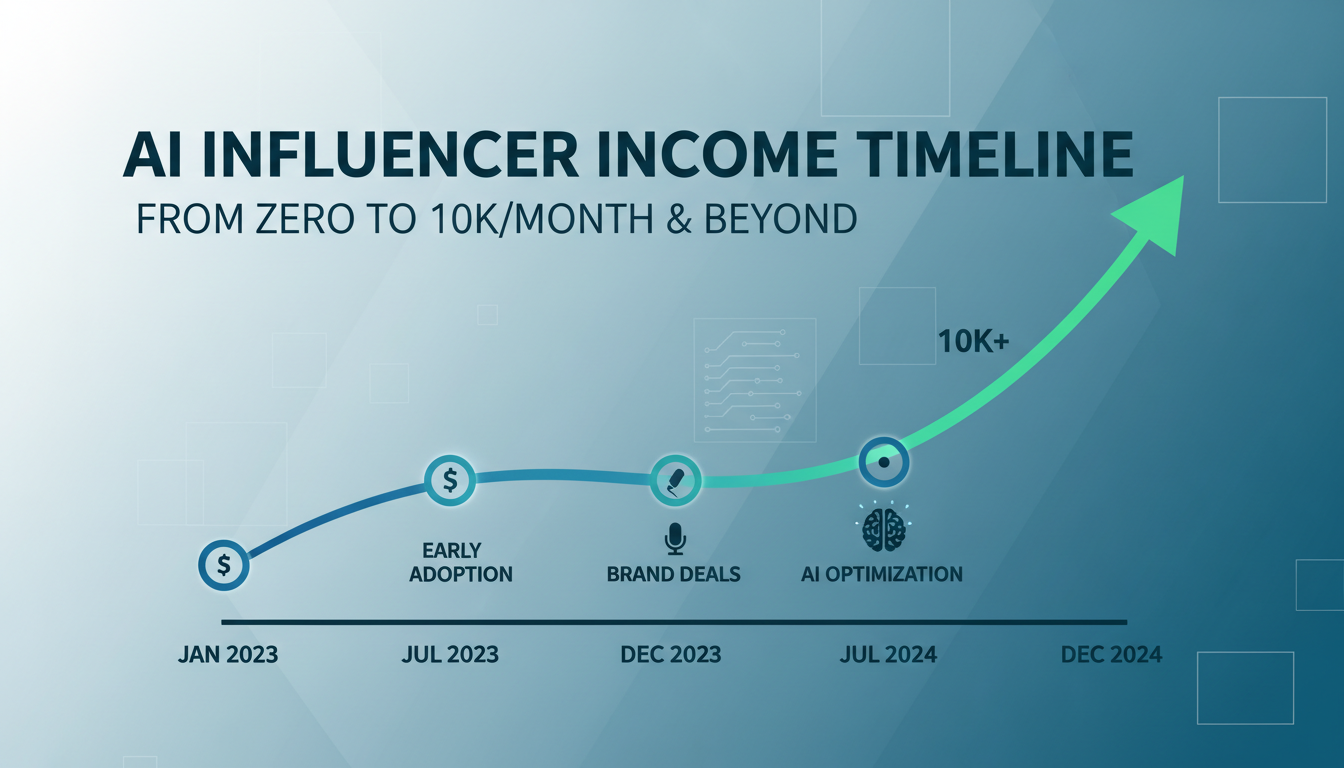
AI Influencer Income Timeline: From Zero to $10K/Month (2025)
Realistic timeline and milestones for building AI influencer income from nothing to $10K monthly. Week-by-week breakdown with actionable steps.
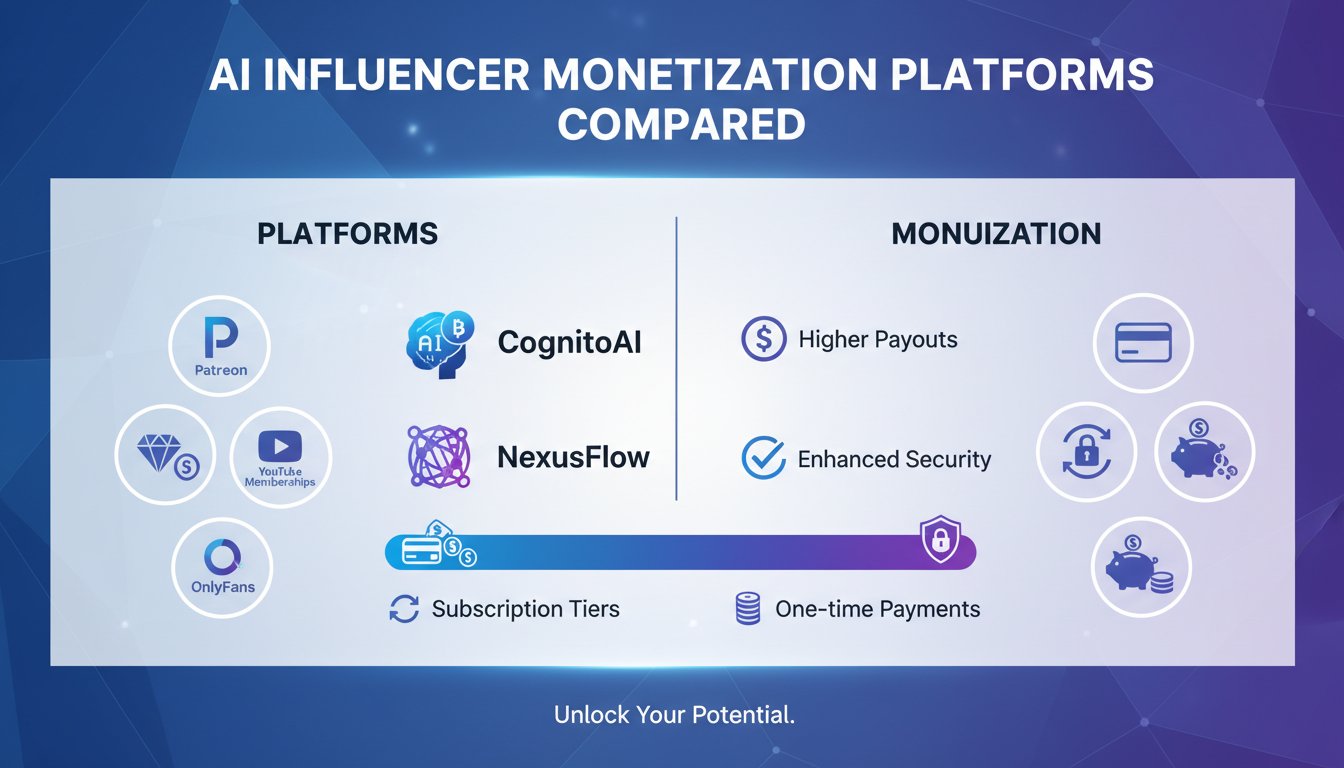
AI Influencer Monetization Platforms: Complete Comparison (2025)
Compare all monetization platforms for AI influencers. Fees, features, AI policies, and payout details for creator platform, Patreon, creator platform, and more.
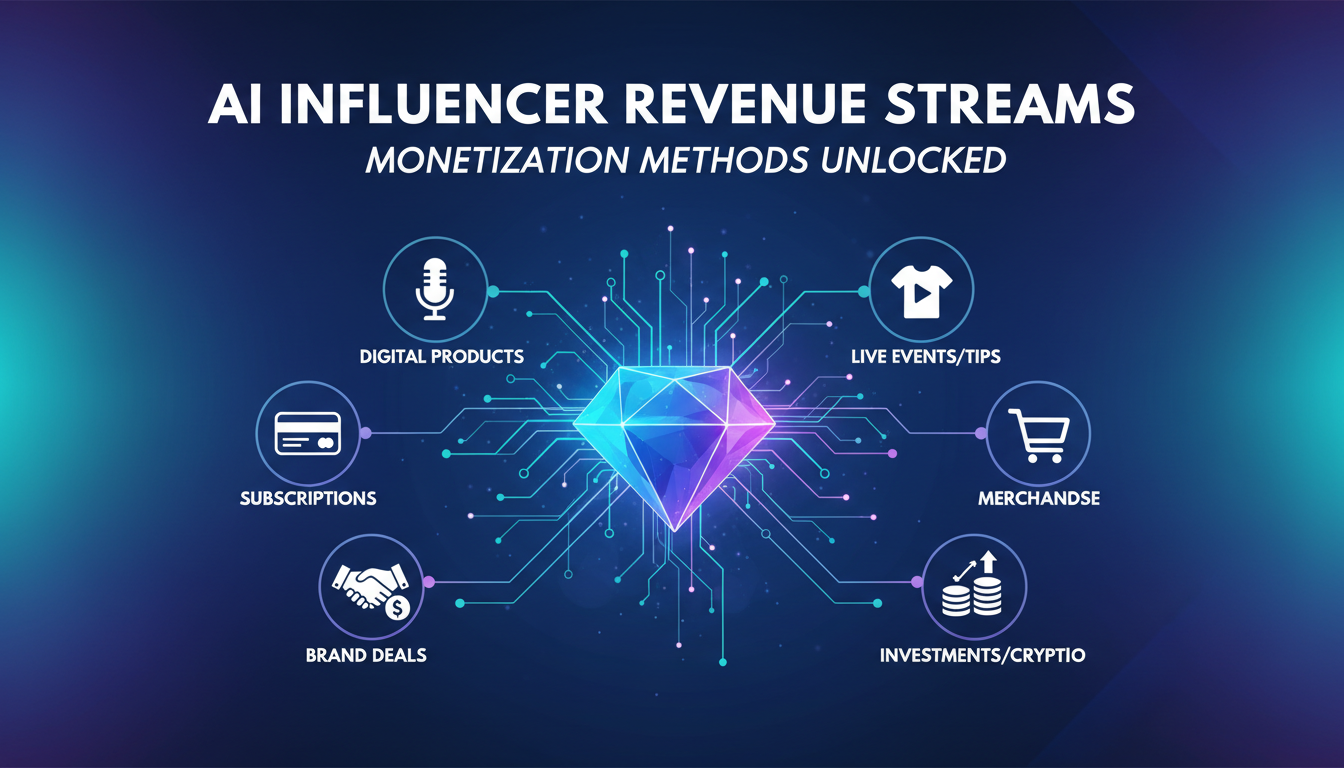
AI Influencer Revenue Streams: Complete Monetization Guide (2025)
All the ways AI influencers make money. Subscriptions, brand deals, custom content, merchandise, and more with setup guides for each revenue stream.