AI Influencer Algorithm Adaptation: Staying Ahead of Platform Changes
Learn how to adapt your AI influencer strategy when algorithms change. Detection, testing, and optimization tactics for maintaining reach and engagement.
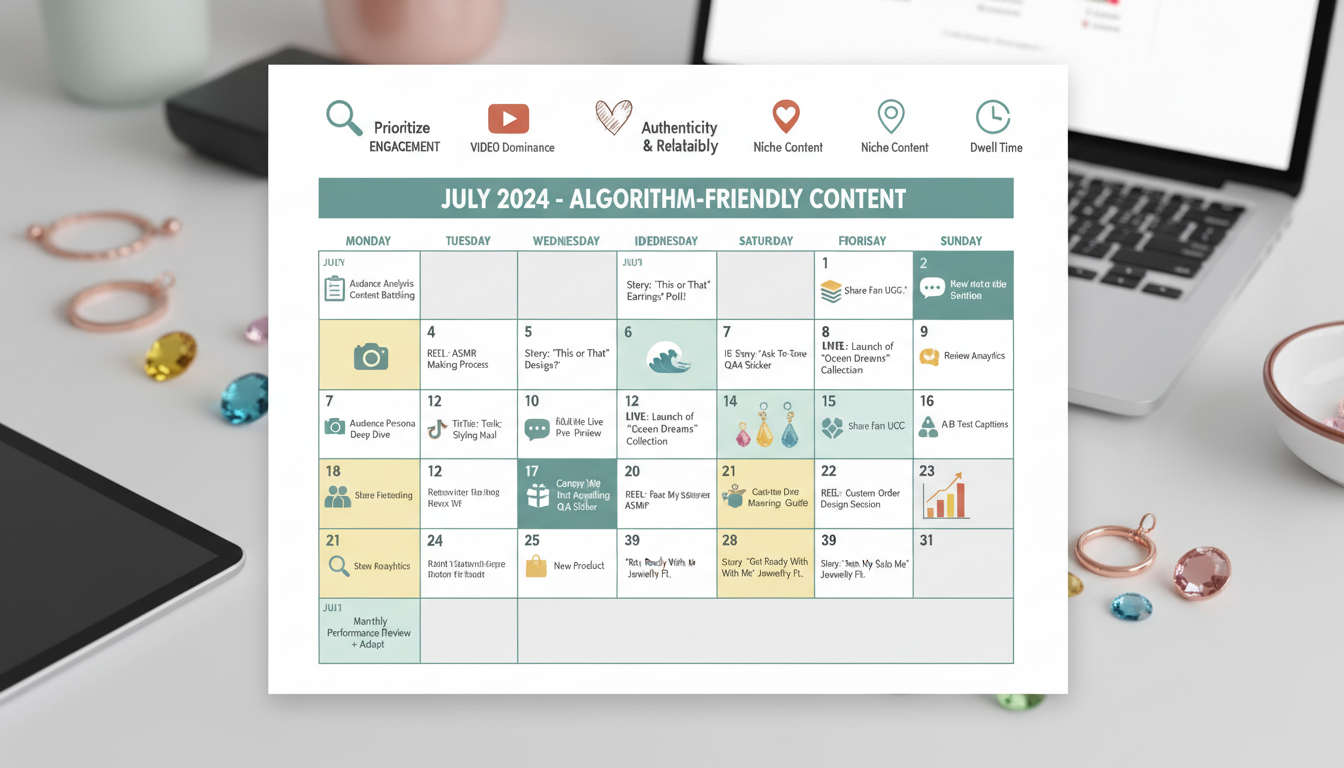
Keep the same face in every image
Save a character as a Soul and put them in any scene, image or video, without retraining anything. Your first generation is free.
Algorithms change constantly. What worked last month may underperform this month. Platform priorities shift, new features launch, and the rules of the game evolve without warning. AI influencers who thrive long-term are those who detect changes quickly and adapt their strategies accordingly.
The challenge is distinguishing algorithm changes from normal content performance variation. Every creator experiences fluctuations. Panic-adjusting to every dip wastes energy and can actually hurt performance. The key is systematic monitoring and strategic response.
I've navigated multiple major algorithm shifts with my AI influencer accounts. Some required significant strategy changes; others were minor adjustments. Building a framework for detecting and responding to changes has become essential to sustained success.
Quick Answer: Monitor key metrics weekly to establish baselines. When reach or engagement drops 20%+ for two or more weeks, investigate potential algorithm changes. Test new approaches systematically rather than changing everything at once. Stay current with platform announcements and creator community discussions. Build platform-agnostic strengths that survive any algorithm shift.
:::tip[Key Takeaways]
- AI Influencer Algorithm Adaptation: Staying Ahead of Platform Changes represents an important development in its field
- Multiple approaches exist depending on your goals
- Staying informed helps you make better decisions
- Hands-on experience is the best way to learn :::
- How to detect algorithm changes affecting your account
- Distinguishing algorithm shifts from content issues
- Testing and optimization frameworks
- Staying informed about platform changes
- Building algorithm-resistant strategies
Understanding Algorithm Changes
Algorithms exist to keep users on platforms. Understanding their goals helps predict their evolution.
What Platforms Optimize For
User engagement: Time spent on platform, session length, return visits Content consumption: Views, scroll depth, video completion Interactions: Likes, comments, shares, saves, DMs Platform goals: New feature adoption, creator retention, advertiser value
Algorithm changes typically push toward these goals.
Types of Algorithm Changes
Major overhauls: Significant changes to how content is distributed. Rare but impactful. Usually announced.
Gradual shifts: Slow priority changes over time. Hard to detect. May not be announced.
Feature prioritization: New features get algorithm boost. Reels launch, Stories introduction, etc.
Content type adjustments: Changes in how specific content types perform. Video vs image, long vs short, etc.
Engagement signal weighting: Changes in which engagement signals matter most. Comments vs saves, early engagement vs sustained, etc.
Why Changes Happen
Platform competition: Response to competitor features (Instagram vs TikTok, etc.)
User behavior shifts: Adapting to how users actually consume content
Business model needs: Supporting advertising, subscriptions, or creator programs
Content quality control: Reducing spam, clickbait, or low-quality content
New feature launches: Boosting adoption of new capabilities
 Regular analytics monitoring helps detect algorithm changes early.
Detecting Algorithm Changes
Distinguish real algorithm shifts from normal variation.
Baseline Monitoring
Establish normal ranges: Know your typical performance metrics
- Average reach per post
- Average engagement rate
- Follower growth rate
- Story completion rate
Track weekly: Review metrics weekly to spot trends. Single days or posts can vary widely.
Document changes: Note any significant shifts with dates. Correlation with known platform changes.
Red Flags: Potential Algorithm Shift
Multiple consecutive underperforming posts: Not one bad post, but sustained decline (2+ weeks)
Reach dropping while engagement stable: Same engagement rate but lower reach suggests distribution change
Content type performance flip: Previously strong content type suddenly underperforms
Industry-wide reports: Other creators in your niche reporting similar issues
False Alarms: Normal Variation
Single underperforming post: Every account has occasional low performers
Week-to-week fluctuation: Normal variation, especially with seasonal factors
Coincidental timing: Poor content quality or timing coinciding with perceived "change"
Competitor activity: Increased competition in your niche, not algorithm change
Verification Process
Before assuming algorithm change:
- Check 2+ weeks of data
- Compare content quality honestly
- Look for external discussions
- Check platform announcements
- Test hypothesis systematically
Responding to Algorithm Changes
When changes are real, respond strategically.
Don't Panic Adjust
Avoid:
- Changing everything at once
- Abandoning successful strategies prematurely
- Copying others' untested "solutions"
- Dramatic content overhauls
Panic adjustments:
Free ComfyUI Workflows
Find free, open-source ComfyUI workflows for techniques in this article. Open source is strong.
- Often make things worse
- Lose what was working
- Create inconsistency
- Prevent proper testing
Strategic Response Framework
Step 1: Confirm the change Verify with data, not feelings. 2+ weeks of clear pattern.
Step 2: Identify what changed Which metrics dropped? Which content types? Which engagement signals?
Step 3: Hypothesis development What might the platform be prioritizing now? What does data suggest?
Step 4: Small-scale testing Test adjustments on limited content. Don't overhaul everything.
Step 5: Measure and adjust Compare test content to baseline. Iterate based on results.
Step 6: Gradual implementation Roll out successful changes gradually. Maintain some consistency.
Testing New Approaches
Controlled testing:
- Change one variable at a time
- Compare to baseline content
- Allow sufficient time for data
- Document everything
Variables to test:
- Content format (carousel vs single, Reel vs static)
- Posting time
- Caption structure
- Hashtag approach
- Engagement prompts
- Content topics
What to Test When Reach Drops
Format shifts: If static images drop, test more video. If single images drop, test carousels.
Timing adjustments: Test different posting times. Optimal times may have shifted.
Engagement tactics: More questions? Different call to action? Earlier engagement seeding?
Content approach: Educational vs entertainment? Aspirational vs relatable?
 Strategic testing helps identify what works under new algorithm conditions.
Staying Informed
Knowledge helps anticipate and understand changes.
Platform Official Channels
Follow:
Want to skip the complexity? Apatero gives you professional AI results instantly with no technical setup required.
- Instagram's @creators account
- Official platform blogs
- Creator newsletters
- Platform help centers
Watch for:
- Feature announcements
- Best practices updates
- Policy changes
- creative algorithm information (rare but valuable)
Creator Community
Join:
- Creator-focused communities
- Niche-specific groups
- Platform-specific forums
- Professional creator networks
Monitor:
- What others are experiencing
- Emerging patterns
- Successful adaptations
- Failed experiments
Industry Sources
Follow:
- Social media marketing publications
- Platform analysts
- Creator economy newsletters
- Tech news covering social platforms
Benefit:
- Early information about changes
- Analysis of what changes mean
- Predictions about future shifts
Testing Community Intelligence
Not all advice is good:
- Verify claims against your data
- Test before adopting
- Consider source credibility
- Skepticism about "hacks"
Community value:
- Pattern recognition across many accounts
- Faster detection of changes
- Shared testing results
- Emotional support during tough periods
Building Algorithm Resistance
Reduce dependence on any single algorithm factor.
Diversified Content Strategy
Don't over-rely on:
- Single content format
- Single content type
- Single posting time
- Single engagement tactic
Build variety: When one approach suffers algorithm change, others may benefit.
Multi-Platform Presence
Platform diversification:
- Not all platforms change at once
- Different algorithms behave differently
- Audience accessible across platforms
- Risk distribution
For AI influencers:
- Instagram for visual
- TikTok for video
- Twitter for personality
- YouTube for long-form
Community Over Algorithm
Strong community survives algorithm changes:
- Followers who genuinely care engage despite algorithm
- DM relationships don't depend on feed distribution
- Loyal community shares content manually
- Word-of-mouth works regardless of algorithm
Build community:
- Genuine engagement
- Value delivery
- Relationship investment
- Community culture
Email and Owned Channels
Algorithm-free reach:
Earn Up To $1,250+/Month Creating Content
Join our exclusive creator affiliate program. Get paid per viral video based on performance. Create content in your style with full creative freedom.
- Email list owns your audience access
- Website traffic doesn't depend on social algorithm
- Newsletter creates direct relationship
- Owned channels for important communication
Adapting to Specific Platform Shifts
Common algorithm changes and responses.
Video Prioritization
When platforms push video:
- Create more Apatero image slideshows as Reels
- Experiment with AI video tools
- Maintain some static for variety
- Don't abandon what you're known for
Engagement Signal Changes
When comments matter more:
- Increase conversation prompts
- Ask questions in captions
- Respond more actively
- Create discussion-worthy content
When saves matter more:
- Educational and reference content
- Lists and guides
- Actionable advice
- Bookmark-worthy formats
Reach Model Changes
When non-follower reach decreases:
- Focus on community depth
- Quality of engagement matters more
- Follower relationship strengthens
- Growth may slow; retention matters more
When non-follower reach increases:
- Opportunity for growth content
- Hook optimization important
- First impressions matter more
- New audience acquisition focus
Common Algorithm Response Mistakes
Avoid these errors when adapting.
Mistake 1: Overreaction
Changing everything based on one week's data.
Fix: Wait for clear patterns. Test carefully. Don't abandon what works.
Mistake 2: Chasing Every Trend
Constantly pivoting to whatever seems to work for others.
Fix: Maintain core strategy. Adapt around edges. Stay consistent.
Mistake 3: Blaming Algorithm for Everything
Assuming every dip is algorithm when content quality may be the issue.
Fix: Honest content assessment before assuming external causes.
Mistake 4: Ignoring Real Changes
Continuing unchanged when genuine algorithm shift has occurred.
Fix: Monitor data, stay informed, be willing to adapt when needed.
Mistake 5: Copying Without Understanding
Adopting others' tactics without understanding why they might work.
Fix: Understand the reasoning. Test for your account. Customize approaches.
Your Algorithm Adaptation System
Build systematic approach to algorithm changes.
Weekly monitoring:
- Review key metrics
- Note significant changes
- Track against baselines
- Document observations
Monthly analysis:
- Trend identification
- Performance pattern recognition
- Content type comparison
- Strategy effectiveness evaluation
When changes detected:
- Confirm with data
- Research community experience
- Develop hypotheses
- Design tests
Ongoing:
- Stay informed
- Build community resilience
- Diversify approaches
- Maintain adaptability mindset
Algorithm changes are inevitable. Fighting against platform priorities is futile. But strategic adaptation allows AI influencers to thrive regardless of algorithm evolution. Build the systems to detect, test, and adapt, and algorithm changes become opportunities rather than crises.
FAQ
How often do algorithms change?
Minor adjustments happen constantly. Major changes happen several times per year. Feature-driven changes happen with each new launch.
How long before I know if an algorithm change affected me?
Give it 2-3 weeks of data to distinguish algorithm change from normal variation.
Should I change my strategy for every algorithm update?
No. Only adapt when changes clearly affect your performance and when testing confirms new approaches work better.
What if my reach never recovers after an algorithm change?
Sustained reach drops may require significant strategy evolution. Build community depth even if reach stays lower.
Are there strategies that work regardless of algorithm?
Community building, genuine engagement, quality content, and audience understanding transcend specific algorithms.
How do I stay calm when my reach drops?
Remember: variation is normal, changes are survivable, community matters more than metrics, and panic hurts more than helps.
Keep the same face in every image
Save a character as a Soul and put them in any scene, image or video, without retraining anything. Your first generation is free.
Related Articles
10 Best AI Influencer Generator Tools Compared (2025)
Comprehensive comparison of the top AI influencer generator tools in 2025. Features, pricing, quality, and best use cases for each platform reviewed.
5 Proven AI Influencer Niches That Actually Make Money in 2025
Discover the most profitable niches for AI influencers in 2025. Real data on monetization potential, audience engagement, and growth strategies for virtual content creators.
AI Action Figure Generator: How to Create Your Own Viral Toy Box Portrait in 2026
Complete guide to the AI action figure generator trend. Learn how to turn yourself into a collectible figure in blister pack packaging using ChatGPT, Flux, and more.