AI Influencer Posting Schedule: Finding Your Best Times for Maximum Reach
Optimize your AI influencer posting schedule for maximum engagement. Learn how to find your best posting times, create consistent schedules, and adapt to algorithm changes.
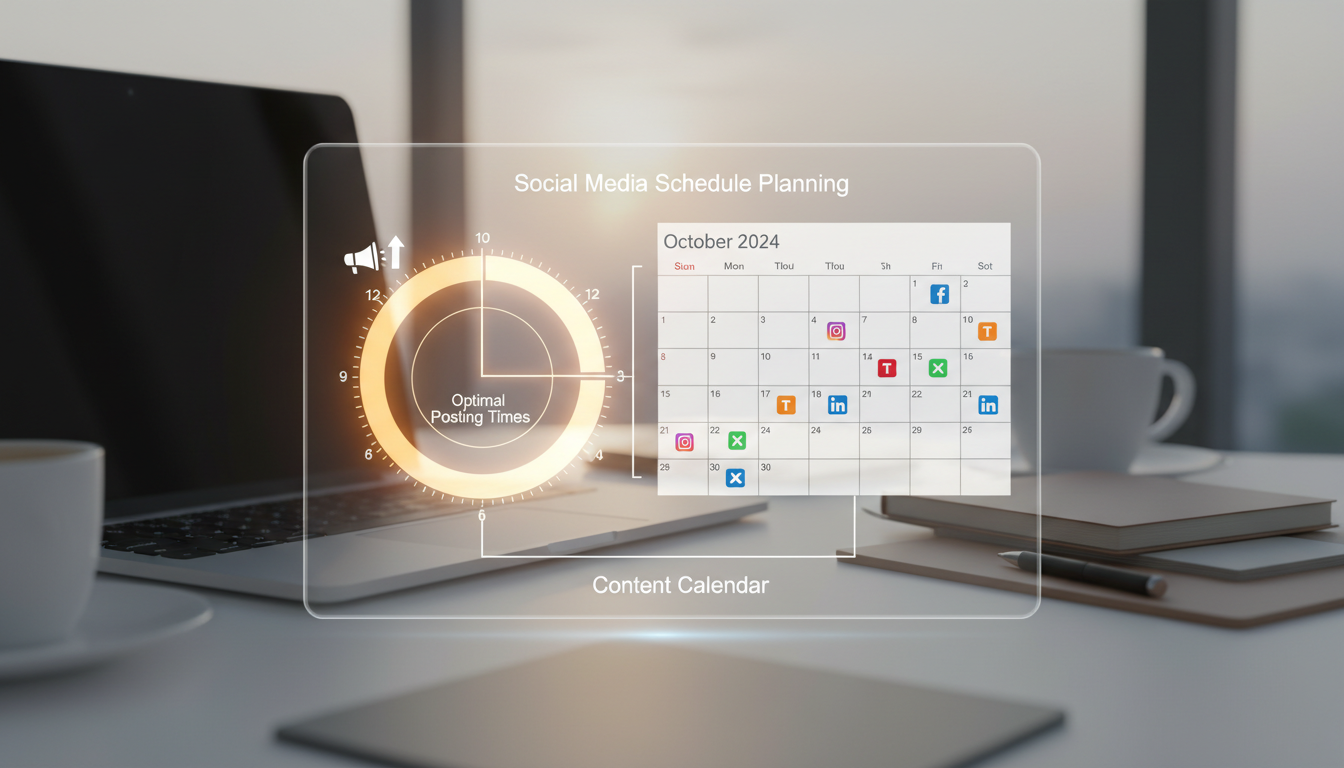
Keep the same face in every image
Save a character as a Soul and put them in any scene, image or video, without retraining anything. Your first generation is free.
Posting time matters more than most AI influencer creators realize. The same content posted at different times can see 50% or more variation in reach. Understanding when your audience is active and optimizing your schedule accordingly provides compounding advantages that make every piece of content work harder.
I tested this extensively across multiple accounts. One AI influencer account saw engagement increase 40% just by shifting posting time from morning to early evening. No content changes. No strategy shifts. Just better timing. The algorithm rewards content that gets immediate engagement, and timing determines whether your audience is there to provide it.
This guide covers posting schedule optimization specifically for AI influencers, including how to find your best times, maintain consistent schedules, and adapt as your audience evolves.
Quick Answer: Optimal posting times vary by audience but generally fall between 6-9 AM, 12-2 PM, and 7-9 PM in your target audience's timezone. Use platform analytics to identify when your specific followers are active. Post consistently at the same times to train your audience when to expect content. Test new times periodically but maintain consistency once you find what works.
:::tip[Key Takeaways]
- Key options include Baseline period: and Test period 1:
- Features and pricing vary widely between platforms
- The best choice depends on your specific needs and budget
- Free trials help you evaluate before committing :::
- How posting time affects algorithm performance
- Finding your optimal posting times
- Creating sustainable posting schedules
- Tools and systems for consistent scheduling
- Adapting your schedule as audience grows
Why Posting Time Matters
Understanding the mechanics behind timing helps you optimize strategically.
The Algorithm Connection
Platform algorithms assess content quality based on early engagement. Posts that receive quick likes, comments, and saves signal value and get distributed more broadly. Posts that sit without engagement get deprioritized.
When you post determines who sees your content first. Posting when your audience is active means engaged followers see and interact with content immediately. Posting when they're sleeping or busy means your content sits, loses momentum, and reaches fewer people overall.
The first 30-60 minutes after posting often determine a post's total reach. Optimizing this window through better timing compounds across every piece of content.
Audience Availability
Your followers have patterns. They check Instagram during morning commutes, lunch breaks, and evening relaxation. They scroll before bed and during slow moments at work. These patterns create windows when they're most likely to see and engage with your content.
Different audiences have different patterns. A fitness-focused audience might be active early morning before workouts. A lifestyle audience might peak during evening leisure time. A professional audience might engage during work breaks.
Understanding your specific audience's patterns matters more than generic "best times to post" advice.
Consistency Expectations
Beyond algorithm benefits, consistent timing trains your audience when to expect content. Followers who know you post at 7 PM Tuesday develop habits of checking at that time. This learned behavior increases the percentage of followers who see your content.
Erratic posting prevents this habit formation. Your followers never know when to expect content, so they don't develop checking habits around your account specifically.
Finding Your Optimal Posting Times
Discovery requires data and testing.
Using Platform Analytics
Instagram, TikTok, and other platforms provide audience activity data:
Instagram Insights: Navigate to Insights > Total Followers > Most Active Times. This shows when your followers are most active by hour and day.
TikTok Analytics: Access Analytics > Followers > Follower Activity. Shows peak activity times for your specific audience.
What to look for:
- Peak activity hours each day
- Day-to-day variation
- Weekend vs. weekday differences
This data provides starting points but isn't definitive. Active doesn't always mean engaging.
Testing Methodology
Systematic testing reveals what actually works for your account:
Testing process:
- Baseline period: Post at current times for two weeks, track engagement
- Test period 1: Shift posting time by two hours, maintain for two weeks
- Test period 2: Try another time window for two weeks
- Analysis: Compare engagement across test periods
- Implementation: Adopt best-performing times
What to track:
- Engagement rate per post
- Reach per post
- First-hour engagement
- Follower growth during period
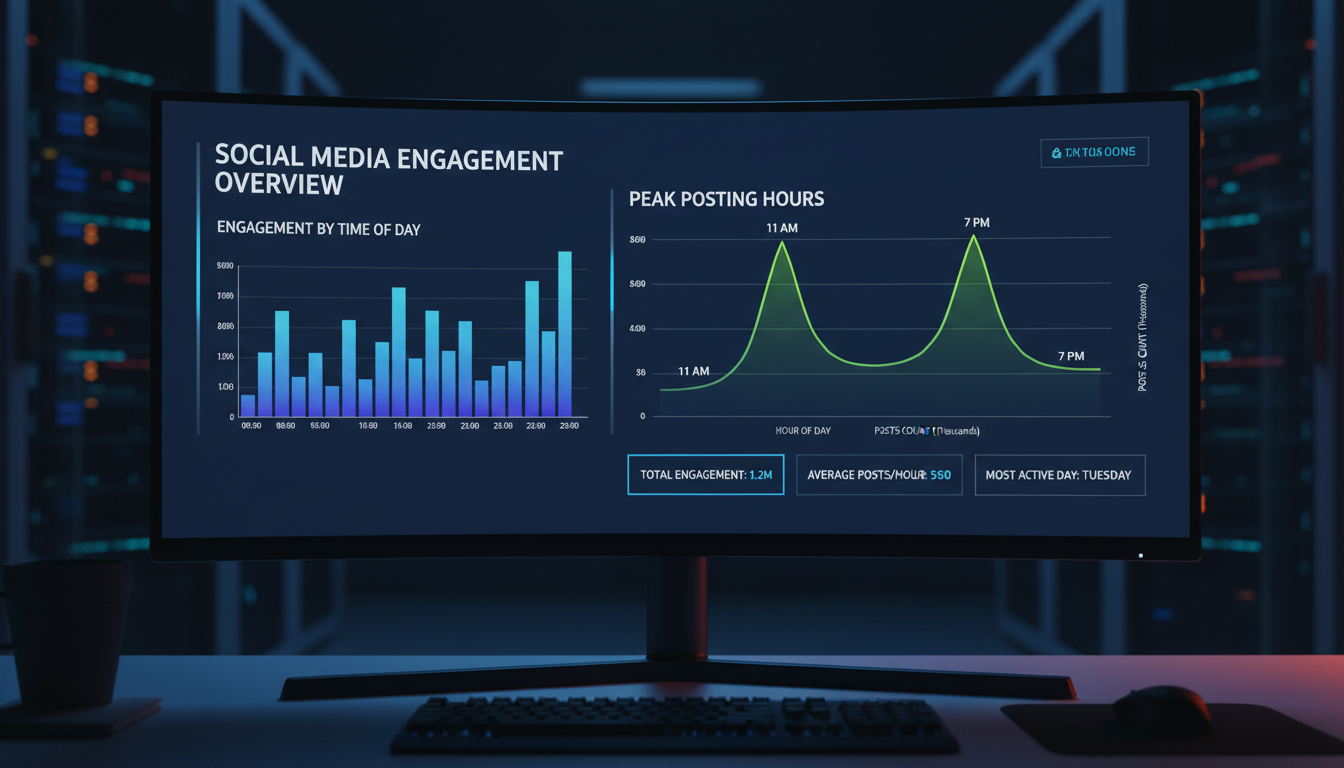 Platform analytics reveal when your audience is most active and engaged.
General Timing Guidelines
While your specific data matters most, general patterns provide starting hypotheses:
Weekday patterns:
- Early morning (6-8 AM): Pre-work checking
- Lunch window (12-1 PM): Break time scrolling
- Evening peak (7-9 PM): Post-work leisure
- Late night (9-11 PM): Before-bed browsing
Weekend patterns:
- Later morning (9-11 AM): Sleeping in, casual browsing
- Early afternoon (1-3 PM): Active leisure time
- Evening (6-8 PM): Weekend wind-down
Platform-specific notes:
- Instagram: Lunch and evening perform well
- TikTok: Evenings often strongest
- Twitter: Multiple shorter peaks throughout day
Timezone Considerations
Your audience's timezone matters, not yours:
Single timezone audience: Optimize for that timezone Multi-timezone audience: Target overlapping active windows Global audience: Consider multiple posts or prioritize largest segment
For AI influencers on Apatero, you can schedule content for any timezone since you're not personally tied to location.
Creating Your Posting Schedule
Structure transforms random posting into strategic system.
Frequency Decisions
How often should AI influencers post?
Minimum viable frequency:
- Instagram Feed: 3-4 posts per week
- Instagram Stories: Daily
- TikTok: 3-7 posts per week
- Twitter: 1-3 times daily
Optimal frequency:
- Instagram Feed: 1-2 posts daily
- Instagram Stories: 5-10 per day
- TikTok: 1-3 posts daily
- Twitter: 3-5 times daily
Higher frequency generally produces better results but requires more content and management capacity.
Weekly Schedule Template
Create a structured weekly schedule:
Example Instagram schedule:
Monday:
- 7:00 AM: Feed post (motivational)
- Throughout day: 5-7 stories
Tuesday:
- 12:30 PM: Feed post (educational)
- 7:00 PM: Reel
- Throughout day: Stories
Wednesday:
- 7:00 PM: Feed post (lifestyle)
- Throughout day: Stories
Thursday:
Free ComfyUI Workflows
Find free, open-source ComfyUI workflows for techniques in this article. Open source is strong.
- 12:30 PM: Feed post (tips)
- Throughout day: Stories
Friday:
- 7:00 AM: Feed post (inspirational)
- 7:00 PM: Reel
- Throughout day: Stories
Saturday:
- 10:00 AM: Feed post (casual)
- Throughout day: Stories
Sunday:
- Planning day / lighter posting
- Stories only
Content Type Timing
Different content types may perform better at different times:
Educational/value content: Often performs well during lunch breaks when people have time to read Entertainment/lifestyle: Evening leisure time often best Motivational: Morning posts catch people starting their day Interactive (polls, questions): Peak activity times for maximum participation
Match content type to timing for optimized performance.
Scheduling Tools and Systems
Tools make consistent scheduling manageable.
Native Scheduling
Platforms increasingly offer built-in scheduling:
Instagram/Facebook: Creator Studio and Meta Business Suite allow scheduling TikTok: Web version offers scheduling for some accounts
Advantages:
- Free
- Integrated with platform
- No third-party access concerns
Limitations:
- Limited features
- Platform-specific (must use multiple tools)
- Sometimes buggy
Third-Party Scheduling Tools
Dedicated scheduling tools offer more features:
Popular options:
- Later: Visual planning, link in bio, analytics
- Buffer: Multi-platform, team features
- Hootsuite: Enterprise features, broad platform support
- Planoly: Visual-first, Instagram-focused
What to look for:
- Platforms you need
- Visual planning capability
- Analytics integration
- Auto-posting vs. reminder features
- Price for your posting volume
Content Batching Systems
Create content in batches rather than daily:
Batching workflow:
- Planning session: Outline week's content themes
- Creation session: Generate all Apatero images
- Writing session: Create all captions
- Scheduling session: Load everything into scheduling tool
- Daily management: Monitor and engage only
Batching transforms content creation from daily stress to weekly process.
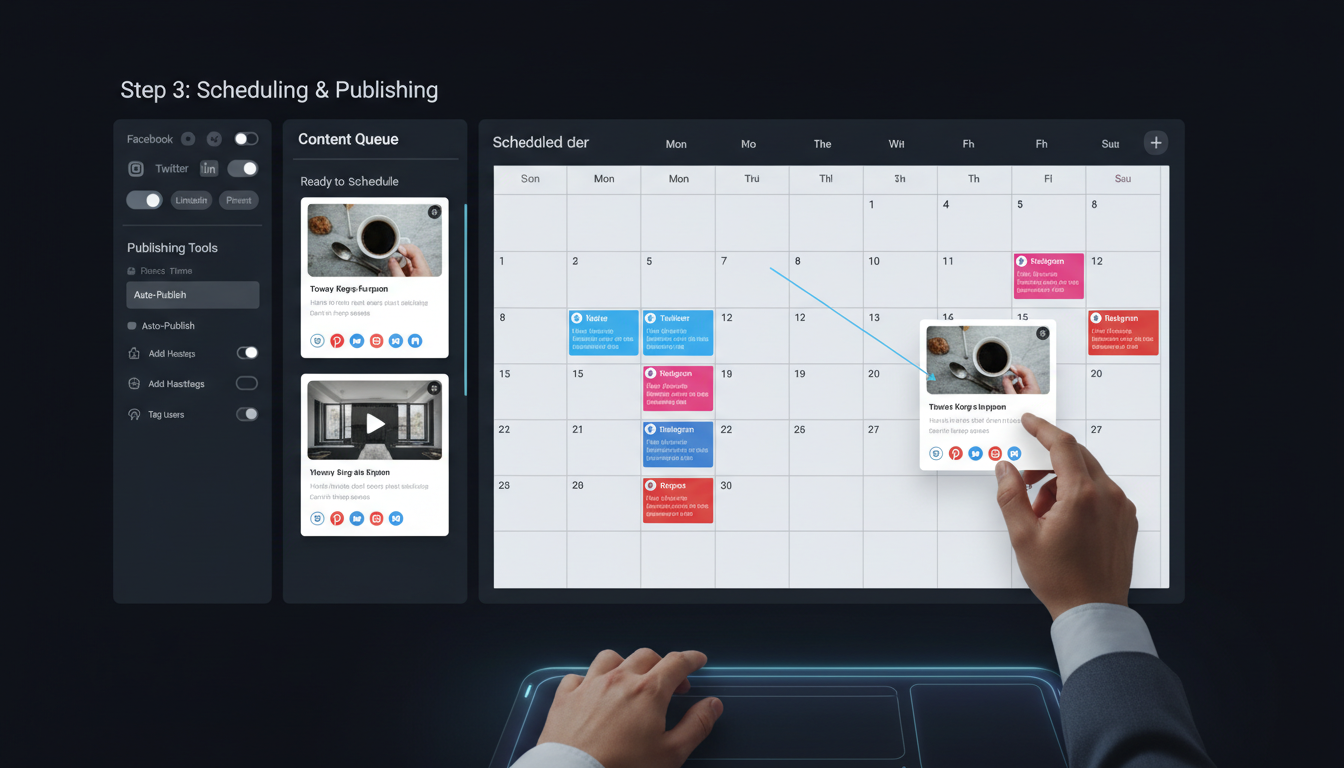 Batching and scheduling systems make consistent posting sustainable.
Maintaining Consistency
Consistency matters more than perfection.
Want to skip the complexity? Apatero gives you professional AI results instantly with no technical setup required.
Building the Habit
Treat posting schedule like any important commitment:
Habit formation tips:
- Same days, same times every week
- Calendar blocks for content work
- Batch creation to reduce daily decisions
- Automation where possible
Handling Disruptions
Life happens. Have backup plans:
Content buffer: Always have 1-2 weeks of content ready Emergency content: Simple posts that can fill gaps Posting break protocol: How to handle vacations or emergencies
One missed post won't hurt. Weeks of inconsistency will.
Schedule Evolution
Your optimal schedule may change over time:
Reasons for change:
- Audience demographics shift
- Algorithm updates
- Platform behavior changes
- Your content strategy evolves
Review analytics quarterly and adjust schedule if data suggests improvements.
Platform-Specific Scheduling Strategies
Different platforms have different optimal approaches.
Instagram Scheduling
Feed posts:
- Consistency matters more than exact time
- Once you find good times, stick to them
- 1-2 posts daily maximum for most accounts
Stories:
- Spread throughout day rather than all at once
- Peak times for interactive content
- Multiple touchpoints keep you visible
Reels:
- Often perform well regardless of time
- Algorithm has longer discovery window
- Test times but don't obsess
TikTok Scheduling
Key differences:
- Content can go viral days after posting
- Algorithm less dependent on immediate engagement
- Trending sounds/topics may matter more than timing
Strategy:
- Post during peak times but prioritize consistency
- Focus on content quality over timing optimization
- Multiple daily posts often outperform single "perfect" timed post
Twitter/X Scheduling
Key differences:
- Short content lifespan
- Multiple posts per day normal
- Real-time relevance matters
Strategy:
- Spread posts throughout day
- Peak times for engagement-focused content
- Flexibility for trending topics
Common Scheduling Mistakes
Avoid these timing and scheduling errors:
Mistake 1: Copying Generic "Best Times"
Using generic internet advice without testing for your audience.
Earn Up To $1,250+/Month Creating Content
Join our exclusive creator affiliate program. Get paid per viral video based on performance. Create content in your style with full creative freedom.
Problem: Generic times don't account for your specific audience.
Fix: Use generic times as starting hypothesis, test and validate for your account.
Mistake 2: Constant Time Changes
Frequently changing posting times prevents pattern formation.
Problem: Audience never learns when to expect your content.
Fix: Once you find good times, maintain for at least a month before reconsidering.
Mistake 3: Inconsistent Frequency
Posting five times one week, once the next.
Problem: Algorithm and audience both prefer predictability.
Fix: Choose sustainable frequency and maintain it consistently.
Mistake 4: Ignoring Timezone Reality
Posting based on your timezone when audience is elsewhere.
Problem: Your perfect morning post happens at 3 AM for your audience.
Fix: Know where your audience is and schedule for their timezone.
Mistake 5: Over-Optimizing Time, Under-Optimizing Content
Obsessing over posting time while content quality suffers.
Problem: Perfect timing doesn't fix mediocre content.
Fix: Get content quality right first, then optimize timing as enhancement.
Advanced Scheduling Strategies
Beyond basics for scaling accounts.
Multi-Post Days
When posting more than once daily:
Spacing: Minimum 4-6 hours between feed posts Content variety: Don't post similar content back-to-back Platform limits: Respect algorithm preferences for spacing
Time Zone Targeting
For global audiences:
Multiple posts strategy:
- Morning post for European audience
- Afternoon post for US audience
- Evening post catches overlap and Asia/Pacific
Single timezone focus:
- Identify largest audience segment
- Optimize for that timezone
- Accept reduced reach in other zones
Seasonal Adjustments
Audience behavior changes seasonally:
Holiday periods: Earlier engagement windows, higher competition Summer: More weekend activity, vacation patterns Back-to-school: Return to normal weekday patterns
Note seasonal patterns and adjust schedule accordingly.
Your Posting Schedule Action Plan
Implement optimized scheduling:
Week 1: Research
- Review platform analytics for audience activity
- Note current posting times and engagement
- Identify potential test windows
Week 2-3: Testing
- Test first alternative time window
- Track engagement carefully
- Document results
Week 4-5: Optimization
- Test second time window
- Compare all results
- Identify best performing times
Week 6+: Implementation
- Adopt optimal schedule
- Set up scheduling tools
- Build content batching system
Ongoing:
- Monthly analytics review
- Quarterly schedule assessment
- Continuous consistency maintenance
Optimal timing provides a competitive advantage that compounds over time. Every post reaching more people because of better timing means faster growth, better engagement, and stronger account performance. Invest in finding your best times, then protect those times with consistent execution.
FAQ
What if my analytics show multiple peak times?
Test each peak time separately to identify which produces best engagement. You might find different content types perform better at different peaks.
How quickly should I expect to see results from timing changes?
Give any new time at least two weeks of consistent posting before evaluating. Single posts at new times don't provide reliable data.
Should I post at exactly the same time every day?
Consistency helps but exact-minute precision isn't necessary. Within a 30-minute window is typically fine.
Does posting time matter for Reels/TikTok as much as regular posts?
Generally less. Short-form video algorithms have longer discovery windows. But posting during peak times still helps initial distribution.
What if I can't post at my optimal times due to my schedule?
Use scheduling tools to post automatically. AI influencer content can be created and scheduled in batches, eliminating the need to be available at posting time.
How often should I review and potentially change my posting schedule?
Review analytics monthly. Consider changes quarterly if data suggests improvement opportunities. Don't change without data-driven reason.
Keep the same face in every image
Save a character as a Soul and put them in any scene, image or video, without retraining anything. Your first generation is free.
Related Articles
10 Best AI Influencer Generator Tools Compared (2025)
Comprehensive comparison of the top AI influencer generator tools in 2025. Features, pricing, quality, and best use cases for each platform reviewed.
5 Proven AI Influencer Niches That Actually Make Money in 2025
Discover the most profitable niches for AI influencers in 2025. Real data on monetization potential, audience engagement, and growth strategies for virtual content creators.
AI Action Figure Generator: How to Create Your Own Viral Toy Box Portrait in 2026
Complete guide to the AI action figure generator trend. Learn how to turn yourself into a collectible figure in blister pack packaging using ChatGPT, Flux, and more.