AI Influencer Merchandise: Creating Product Lines for Your Brand
Launch merchandise for your AI influencer. Learn print-on-demand, product selection, design strategies, and how to build a product line that fans want to buy.
Keep the same face in every image
Save a character as a Soul and put them in any scene, image or video, without retraining anything. Your first generation is free.
Merchandise transforms fans into walking advertisements. When followers wear your AI influencer's branded products, they become ambassadors spreading awareness with every interaction. Beyond marketing value, merchandise creates direct revenue that doesn't depend on brand partnerships or affiliate programs.
The print-on-demand model makes merchandise accessible to any AI influencer creator. No inventory investment, no fulfillment logistics, minimal upfront cost. Products get created when ordered and shipped directly to customers. You focus on design and marketing while fulfillment happens automatically.
I hesitated to launch merchandise for my AI influencer, assuming it required significant audience size. Starting smaller than expected actually worked. Even modest audiences contain superfans willing to purchase branded products. Merchandise became profitable faster than I anticipated.
Quick Answer: Start merchandise with print-on-demand platforms like Printful, Printify, or TeeSpring. Begin with 3-5 products your audience would actually use (apparel, accessories, lifestyle items). Design products featuring your character, catchphrases, or aesthetic elements. Price for profit margins of 30-50%. Promote through your content without over-selling. Scale product lines as demand proves itself.
:::tip[Key Takeaways]
- AI Influencer Merchandise: Creating Product Lines for Your Brand represents an important development in its field
- Multiple approaches exist depending on your goals
- Staying informed helps you make better decisions
- Hands-on experience is the best way to learn :::
- Print-on-demand basics for AI influencers
- Product selection strategy
- Design approaches for AI character merchandise
- Pricing and profit margins
- Promotion without overwhelming your audience
Print-on-Demand Fundamentals
Understanding the model helps set appropriate expectations.
How Print-on-Demand Works
The process:
- You create designs
- Upload to POD platform
- Connect to storefront
- Customer places order
- Platform produces product
- Platform ships to customer
- You receive profit margin
No inventory required: Products made when ordered. Zero upfront product investment.
Platform Options
Popular platforms:
- Printful (quality focus, wide product range)
- Printify (competitive pricing, multiple suppliers)
- TeeSpring (creator-focused, built-in storefront)
- Redbubble (marketplace exposure)
- Merch by Amazon (marketplace access)
Consideration factors:
- Product quality
- Product selection
- Profit margins
- Integration options
- Shipping reliability
Economics and Margins
Typical structure:
- Base cost: Platform production cost
- Your margin: Added on top of base cost
- Customer price: Base cost + your margin
Example:
- T-shirt base cost: $12
- Your margin: $8
- Customer price: $20
- Your profit per sale: $8
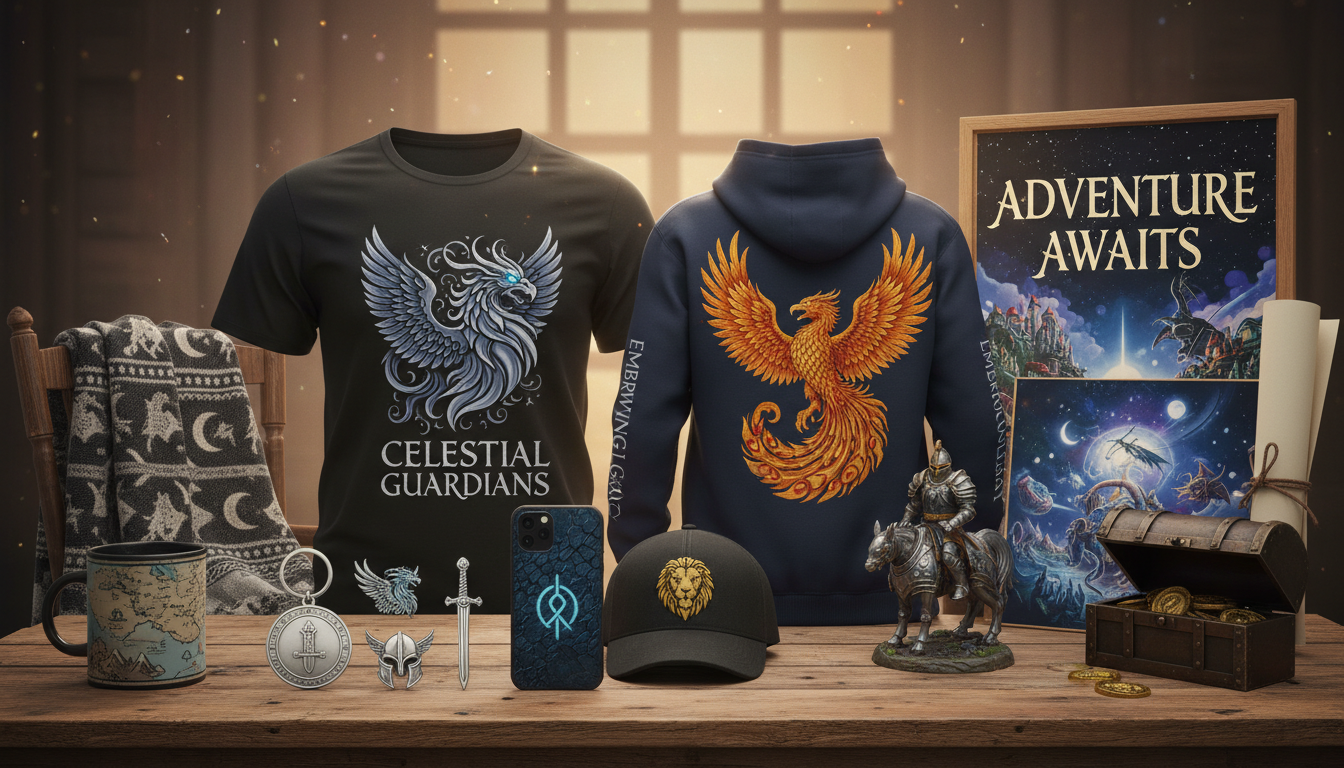 Branded merchandise creates revenue while turning fans into brand ambassadors.
Product Selection Strategy
Choose products your audience will actually buy.
Starting Product Mix
Begin with:
- 2-3 apparel items (t-shirts, hoodies)
- 1-2 accessories (phone cases, bags)
- 1-2 lifestyle items (mugs, stickers)
Why limited:
- Test demand before expanding
- Reduce design effort
- Focus marketing energy
- Learn what sells
Audience-Aligned Products
Match products to audience:
- Fitness niche: Athletic wear, water bottles
- Beauty niche: Cosmetic bags, mirrors
- Lifestyle niche: Apparel, home items
- Professional niche: Notebooks, bags
Match products to engagement:
- What would your superfans use daily?
- What aligns with your content?
- What price point fits your audience?
High-Performing Products
Generally strong sellers:
- T-shirts and hoodies
- Phone cases
- Stickers and sticker packs
- Mugs and drinkware
- Tote bags
Generally weaker:
- High-priced items early on
- Niche-specific items without testing
- Products requiring precise sizing
- Low-use items
Seasonal and Limited Products
Opportunity:
- Holiday-themed merchandise
- Limited edition drops
- Collaboration products
- Anniversary or milestone items
Benefits:
- Urgency drives sales
- Freshness maintains interest
- Collectibility appeals to superfans
- Higher margins possible
Design Approaches
What to put on your products.
Character-Based Designs
Options:
- Character portraits
- Character in action
- Stylized character versions
- Character elements (signature accessories)
Using Apatero for design:
- Generate character art specifically for products
- Create variations for different products
- Adjust style for merchandise aesthetic
Quote and Catchphrase Designs
Text-based products:
- Character catchphrases
- Memorable caption quotes
- Inspirational messages in character voice
- Inside jokes from community
Aesthetic-Based Designs
Brand aesthetic on products:
Free ComfyUI Workflows
Find free, open-source ComfyUI workflows for techniques in this article. Open source is strong.
- Color palette application
- Pattern and visual elements
- Mood and vibe representation
- Logo and wordmark
Design Quality Standards
Requirements:
- High resolution (300+ DPI)
- Proper file formats
- Color mode correct for print
- Design optimized for product shape
Professional look:
- Clean, uncluttered design
- Legible text
- Quality artwork
- Appropriate sizing
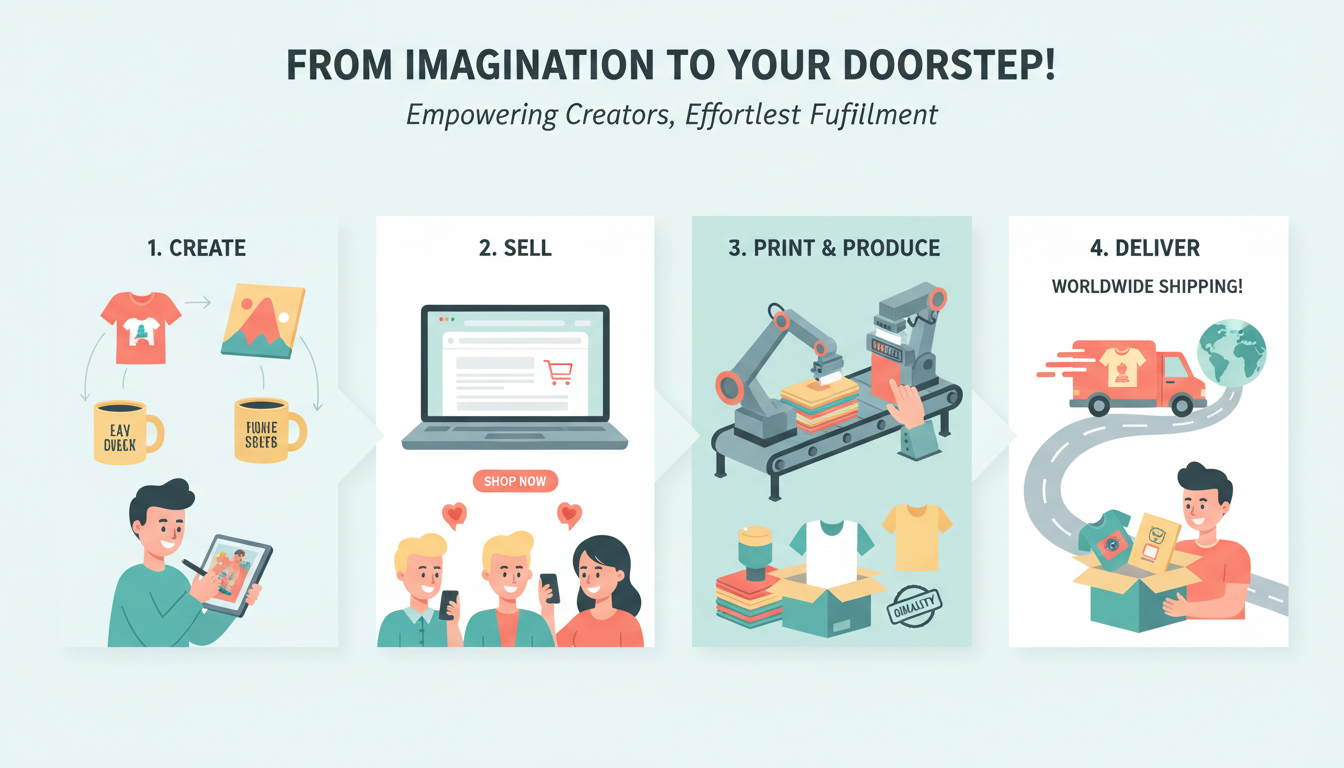 Print-on-demand handles production and shipping while you focus on design and marketing.
Pricing Strategy
Price for sustainable profit.
Margin Calculation
Target margins:
- Minimum: 25% margin on customer price
- Comfortable: 35-45% margin
- Premium: 50%+ margin
Calculation: If base cost is $12 and you want 40% margin: $12 ÷ 0.60 = $20 customer price ($8 profit)
Competitive Pricing
Research:
- Similar influencer merchandise
- General market prices
- Platform-suggested pricing
- Audience price sensitivity
Balance: High enough for profit, low enough for sales.
Tiered Product Pricing
Structure:
- Entry items (stickers, pins): $5-15
- Mid-tier items (t-shirts, accessories): $20-35
- Premium items (hoodies, quality bags): $45-75
Benefit: Multiple price points serve different buyer readiness.
Storefront Setup
Create accessible shopping experience.
Platform Options
Integrated storefronts:
Want to skip the complexity? Apatero gives you professional AI results instantly with no technical setup required.
- TeeSpring built-in store
- Redbubble marketplace
- Platform-hosted shops
Custom storefronts:
- Shopify with POD integration
- WooCommerce with plugins
- Big Cartel
Link-in-bio shops:
- Spring for creators
- Stan Store
- Beacons shops
Store Optimization
Essential elements:
- Clear product photos
- Accurate descriptions
- Size guides for apparel
- Easy checkout process
- Mobile-optimized design
Trust Elements
Build buyer confidence:
- Clear shipping information
- Return/exchange policy
- Contact information
- Professional presentation
Promotion Strategy
Sell without overwhelming your audience.
Content Integration
Natural promotion:
- Wear/use products in content
- Casual mentions when relevant
- Behind-the-scenes of product creation
- Customer photos and testimonials
Launch Campaigns
New product launches:
- Build anticipation
- Clear launch date
- Launch day content
- Limited time offers
Ongoing Promotion
Sustainable approach:
- Occasional product features
- Seasonal reminders
- Customer spotlights
- Sale announcements
Avoiding Over-Promotion
Balance:
- 80-90% regular content
- 10-20% promotional content
- Earned promotion through value
- Genuine enthusiasm, not hard sells
Common Merchandise Mistakes
Avoid these errors that limit success.
Mistake 1: Too Many Products Initially
Launching with 20+ products before proving demand.
Fix: Start with 5-7 products. Expand based on sales data.
Earn Up To $1,250+/Month Creating Content
Join our exclusive creator affiliate program. Get paid per viral video based on performance. Create content in your style with full creative freedom.
Mistake 2: Pricing Too Low
Minimal margins that make effort unprofitable.
Fix: Calculate true margins including all costs. Price for sustainability.
Mistake 3: Poor Quality Products
Choosing lowest-cost options that disappoint customers.
Fix: Order samples. Prioritize quality that reflects your brand.
Mistake 4: Over-Promotion
Constant merchandise pushing that annoys followers.
Fix: Subtle integration. Occasional dedicated promotion. Value-first content.
Mistake 5: Ignoring Customer Experience
No follow-up, poor communication, neglected issues.
Fix: Customer service system. Respond to problems. Build trust.
Your Merchandise Launch Plan
Launch merchandise systematically.
Week 1-2: Foundation
- Choose POD platform
- Select initial 5-7 products
- Create designs
- Set up storefront
Week 3: Testing
- Order samples
- Verify quality
- Adjust if needed
- Finalize listings
Week 4: Soft Launch
- Announce to core community
- Gather initial feedback
- Adjust based on response
- Fix any issues
Week 5+: Full Launch
- Broad announcement
- Content integration
- Promotion campaign
- Sales monitoring
Ongoing:
- Regular promotion
- New product additions
- Customer feedback integration
- Inventory and design updates
Merchandise creates revenue and community simultaneously. Fans wearing your AI influencer's products spread brand awareness while supporting your creative work. Start small, focus on quality, and build product lines that your audience genuinely wants.
FAQ
How many followers do I need before launching merchandise?
No minimum required. Even 1,000 engaged followers can generate sales. Superfans buy regardless of total audience size.
What's the best POD platform for beginners?
Printful for quality focus, Printify for pricing, or TeeSpring for simplicity. Try one and expand.
How much should I mark up products?
Target 35-50% margin on customer price. Lower margins become unprofitable after effort and marketing costs.
Should I order samples before selling?
Yes, always. Quality verification prevents customer disappointment and bad reviews.
How often should I promote merchandise?
Subtle product integration in regular content, with dedicated promotion 1-2 times monthly maximum.
What if products don't sell?
Low sales indicate demand or design issues. Test different products, adjust pricing, improve designs. Print-on-demand has no inventory risk.
Keep the same face in every image
Save a character as a Soul and put them in any scene, image or video, without retraining anything. Your first generation is free.
Related Articles
10 Best AI Influencer Generator Tools Compared (2025)
Comprehensive comparison of the top AI influencer generator tools in 2025. Features, pricing, quality, and best use cases for each platform reviewed.
5 Proven AI Influencer Niches That Actually Make Money in 2025
Discover the most profitable niches for AI influencers in 2025. Real data on monetization potential, audience engagement, and growth strategies for virtual content creators.
AI Action Figure Generator: How to Create Your Own Viral Toy Box Portrait in 2026
Complete guide to the AI action figure generator trend. Learn how to turn yourself into a collectible figure in blister pack packaging using ChatGPT, Flux, and more.